


Fall is when family SUVs often start carrying more bulky gear. Pumpkins, apple crates, bags of mulch, sports equipment and other seasonal loads all end up in the cargo area.
When the second-row seats are folded down, the surface taking that weight is actually the back of the seat. That is where the difference between a seat cover and a seat back protector matters.
The two products protect different parts of the seat. This guide explains what each one covers, which option is better for folded rear seats and when it makes sense to use both.
Seat Back Protector vs. Seat Cover: What's the Difference?
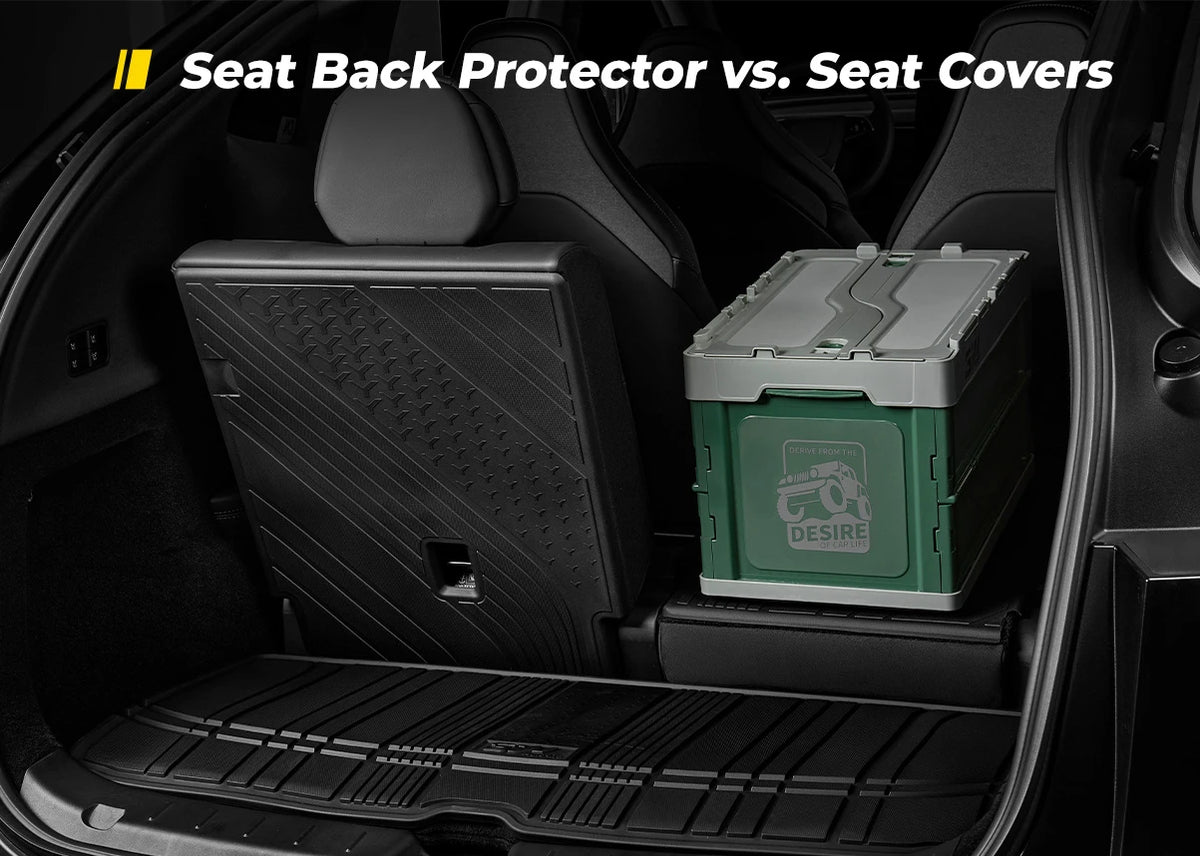
A seat back protector and a seat cover protect different parts of the same seat. A seat back protector sits on the rear side of the second-row seat, facing the cargo area. A seat cover protects the cushion and the front of the backrest where passengers sit.
Our rear seat back protectors are designed for SUVs, hatchbacks and wagons, where the back of the rear seats is exposed to luggage, muddy paws, tools and other cargo [1][4]. Their purpose is to protect the cargo-facing side of the seat, especially when the seats are folded down.
A seat cover works on the opposite side. It protects the surfaces passengers actually sit on, helping reduce wear, stains and everyday damage.
| Feature | Seat back protector | Seat cover |
| Area covered | Rear side of the second-row seatback | Seat cushion and front of the backrest |
| Faces | Cargo area | Passenger cabin |
| Protects against | Luggage, tools, wet gear, pet claws and moving cargo | Spills, everyday wear, child seats and sun |
| When the seat folds | Faces upward and becomes part of the load floor | Folds underneath, away from the cargo |
| Common vehicles | SUVs, hatchbacks and wagons | Most vehicle types, including trucks |
| Attachment | Hook-and-loop strips on the seatback | Straps, hooks or elastic around the seat |
Why Folded Rear Seats Need Extra Protection?
Folding the rear seats gives you much more room for luggage, pets or bulky gear, but it also exposes surfaces that normally stay upright.
The difference can be substantial in a three-row SUV. The 2026 Hyundai Palisade offers 19.1 cubic feet of cargo space behind the third row and 86.7 cubic feet with both rear rows folded [5]. In the Toyota Grand Highlander, capacity increases from 20.6 to 97.5 cubic feet[5].
Part of that larger loading area is made up of the backs of the folded seats. Boxes, suitcases, pet crates and other items can then rest directly on them or slide across them while the vehicle is moving.
Our seat back protector remains attached when the seat is folded, so the same surface stays covered whether the seat is upright or being used as part of the cargo floor[1].
What Can Damage the Back of a Rear Seat?
Once you start using the folded seats for cargo, the surface can quickly pick up scratches, dirt and moisture[1]. Some loads are more likely to cause damage than others.
- Suitcases and hard cases: corners, wheels and metal parts can scrape the surface as they are loaded or moved.
- Bikes and sports equipment: pedals, handlebars, ski edges and other hard parts can leave scratches or dents.
- Wet or dirty gear: tents, towels, boots and pet equipment can bring in moisture, mud and odors.
- Pets: claws can mark the upholstery, especially when a dog moves around during the trip.
- Boxes, tools and shopping bags: everyday cargo can slide or shift while driving and rub against the seatback.
Seasonal loads can be particularly messy. Pumpkins, gardening supplies or bags of mulch, for example, may bring dirt and moisture into the cargo area and can mark the seat surface if they are placed directly on it.
Seat Cover Materials: Leather, Fabric, Neoprene and TPE
The right material depends on which part of the seat you want to protect. Leather, fabric and neoprene are commonly used on seating surfaces, while TPE works well on areas that come into contact with cargo.
Leather is easy to wipe clean and handles everyday spills well, but sharp objects can scratch it and hot weather can make the surface uncomfortable. One study by Arizona State University and UC San Diego found that vehicle seats exposed to summer sun above 100°F reached an average of 123°F after one hour, compared with 105°F in the shade[9].
Fabric seat covers tend to feel more breathable, although they can absorb liquids, take longer to dry and hold odors over time[3].
Neoprene offers more protection from moisture than fabric. It is the same type of synthetic rubber commonly used in wetsuits, but it is not completely waterproof and can retain odors over time [1].
For the cargo-facing side of the seat, we use Thorex™ TPE in our seat back protectors. The material is non-porous, easy to clean and designed to handle scratches, dirt and moisture[1] [3].
| Material | Water resistance | Scratch resistance | Odor | Cleaning | Best suited to |
| TPE | Waterproof | Excellent | Does not absorb odor | Wipe or rinse | Seat back protector |
| Neoprene | Partial | Good | Can absorb odor | Wipe clean | Seat cover |
| Oxford fabric / polyester | Water-resistant | Moderate | Can retain odor | Machine wash | Seat cover |
| Genuine leather | Limited | Poor against sharp edges | Can retain odor | Wipe clean | Seat cover |
Source: 3W material comparison[1][3].
TPE stands for thermoplastic elastomer. It has a flexible, rubber-like feel and can be molded to follow the shape of the surface it protects. Our Thorex™ TPE is designed to remain stable from -4°F to 167°F[1]. Since it does not absorb moisture, most dirt and spills can be removed with a quick wipe or rinse[3].
Can Seat Covers Interfere with Side Airbags?
They can. If your vehicle has side airbags built into the seats, a seat cover needs to be compatible with the airbag system. These airbags deploy through a specific area of the seat, and a cover that blocks or restricts that area could interfere with deployment.
This matters because side airbags play an important role in crash protection. According to the IIHS, side airbags with head protection are associated with a lower risk of death in side-impact crashes[6].
Vehicle manufacturers may also place restrictions on aftermarket seat covers. Lexus, for example, warns that covers it does not recommend could affect side airbag operation [7]. Tesla advises Model Y owners not to use seat covers because they may interfere with the seat-mounted airbags [8].
Before installing any seat cover, check the owner's manual first. If seat covers are allowed, choose one that is specifically designed to work with the vehicle's side airbags.
What Should You Look for in Truck Seat Covers?
On a pickup truck, seat covers and floor liners usually do most of the work inside the cab. A seat back protector is less useful because these products are mainly designed for SUVs, hatchbacks and wagons, where the rear seats fold into the cargo area [1].
In a pickup, most cargo travels in the truck bed, where a bed mat can protect the surface underneath[4]. Inside the cab, the seats are more likely to deal with everyday wear, spills, dirt and moisture.
When choosing truck seat covers, check a few key details:
- Airbag compatibility: make sure the covers are suitable for seats with side airbags [7][8].
- Seat layout: bench seats, split benches and bucket seats all require a different fit.
- Material: neoprene and leather generally handle moisture better than fabric [1].
Which Car Interior Protection Product Do You Need?
Different products protect different parts of the vehicle, so it helps to match each one to the area you want to cover.
| Area | Best product | What it protects |
| Front and second-row floors | Floor liners | Follow the shape of the footwells[4] |
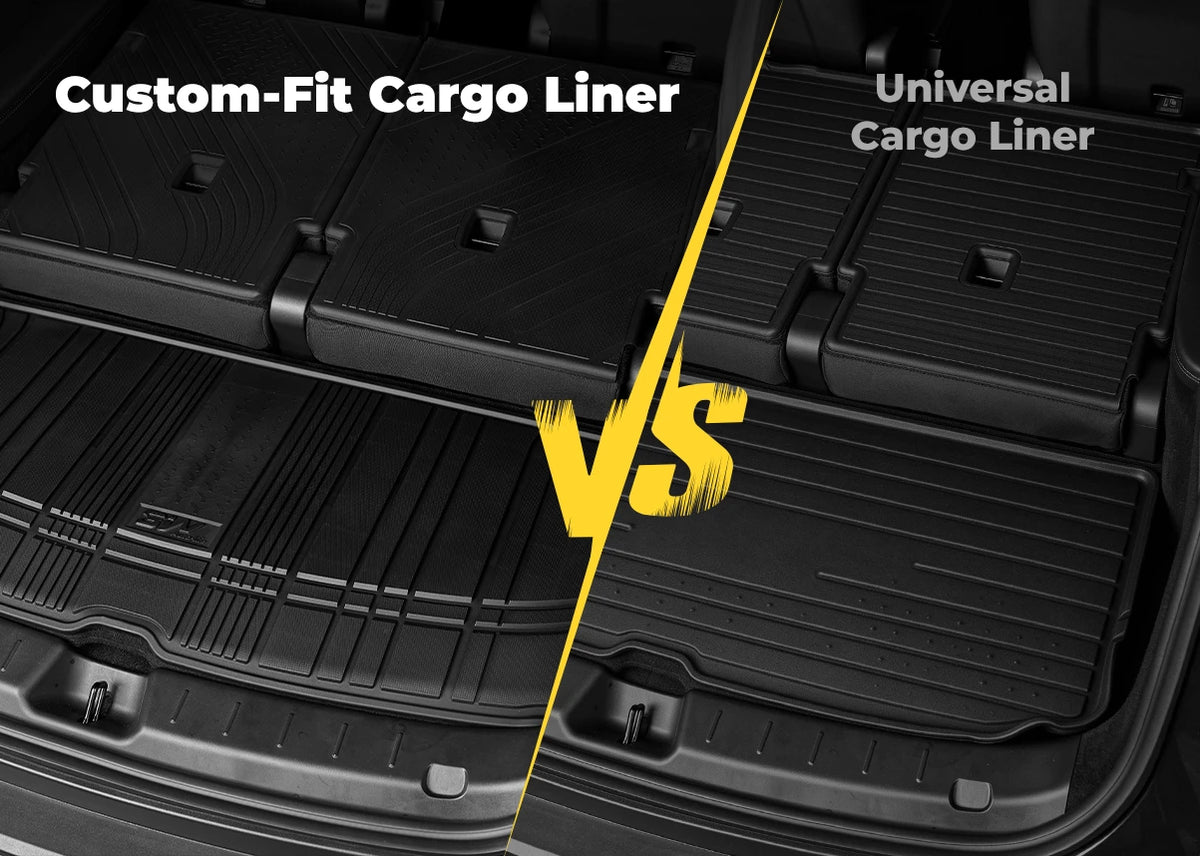
| Cargo floor behind the seats | Cargo liner | Helps contain dirt and spills[4] |
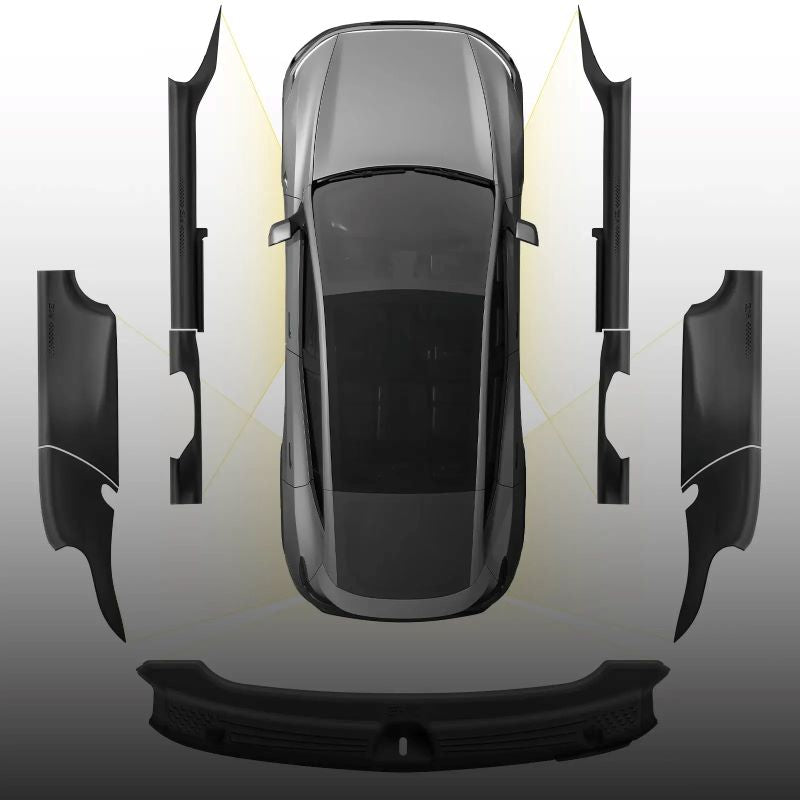
| Back of second-row seats | Seat back protector | Stays in place when the seats are folded [1] |
| Back of the front seats | Kick mats | Protect against shoes and passenger scuffs [1] |
| Seat cushions and backrests | Seat covers | Protect seating surfaces, but check airbag compatibility[7][8] |
| Pickup bed floor | Truck bed mat | Protects the cargo area of the truck bed [4] |
Kick mats and seat back protectors are easy to confuse, but they protect different areas. Kick mats sit behind the front seats and deal mainly with shoes and scuffs from passengers. Seat back protectors cover the rear side of the second-row seats, where cargo rests when the seats are folded [1].
When It Makes Sense to Use Both
If your SUV carries both passengers and cargo, using a seat cover and a seat back protector together can make sense. One protects the seating surface, while the other covers the side that faces the cargo area when the seats are folded.
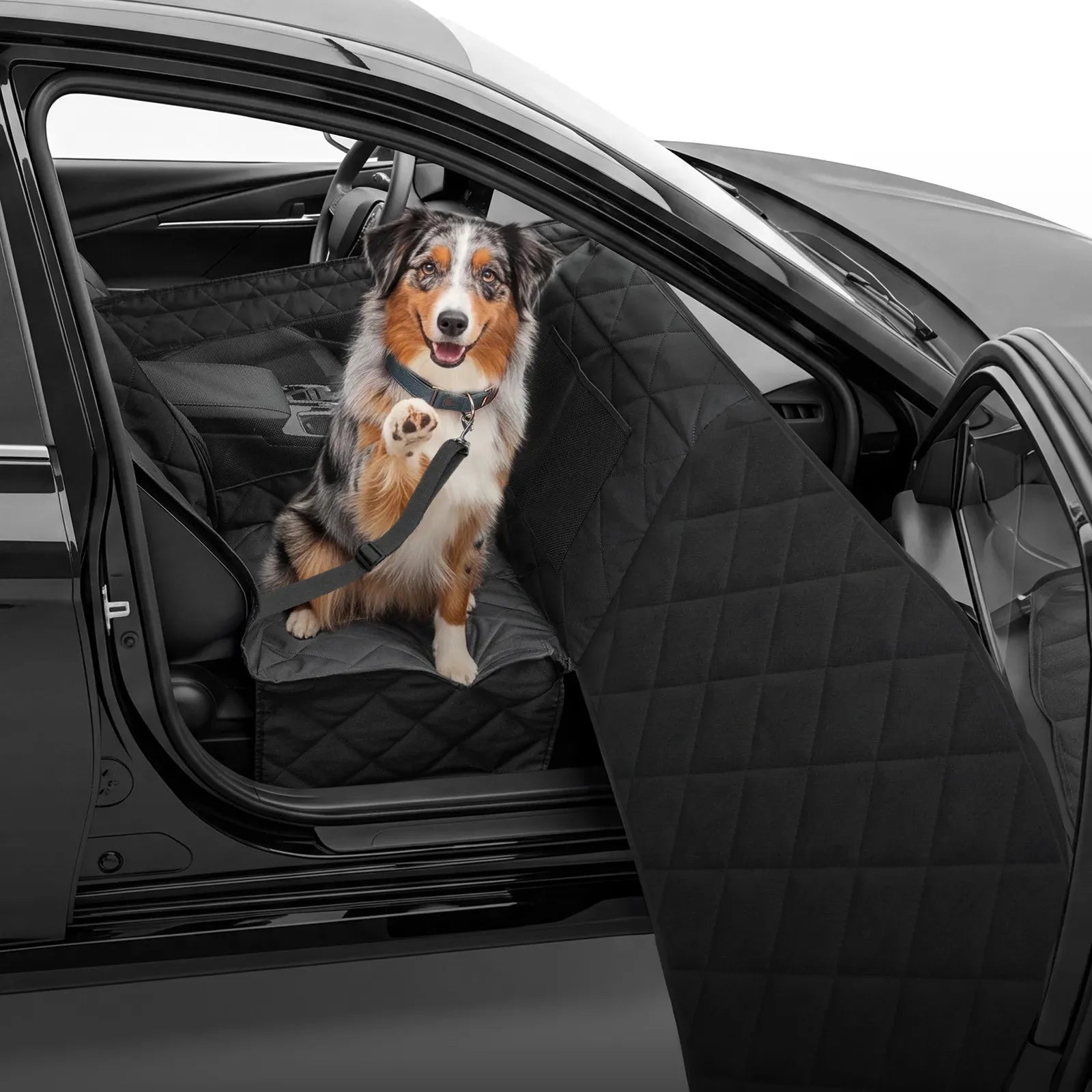
Pet owners may have another option. A hammock-style pet seat cover can cover the rear seats and part of the cargo area at the same time. One Bronco6G forum reviewer reported that a 3W cover protected almost the entire cargo area and rear seats with the seats folded [10].
Because this type of cover is still made from fabric, it has the same limits as other fabric covers when it comes to moisture, scratches and cleaning.
What to Check Before Buying a Seat Back Protector or Seat Cover
Before buying, first look at where the damage actually happens. Then check fit, safety and how the seat moves.
Our seat back protectors attach with hook-and-loop fasteners, so no tools are needed. Installation usually takes around 10 to 15 minutes [2].
In colder weather, the material may also need a little time to settle into shape. One owner who installed our seat back liners at 35°F reported that they took a few days to lie completely flat [10].
Frequently Asked Questions
Can a seat cover protect the back of a folded rear seat?
Not usually. A standard seat cover protects the cushion and the passenger-facing side of the backrest. When the seat folds down, those areas move underneath, while the rear of the seatback becomes part of the cargo floor [1].
Is a seat back protector the same as a kick mat?
No. A kick mat goes on the back of a front seat and protects it from shoes and scuffs. A seat back protector covers the rear side of the second-row seats, where cargo can rest when the seats are folded [1].
Are leather seat covers good for cargo?
Leather works better on seating surfaces than in cargo areas. Genuine leather can be marked or scratched by hard edges, so heavy boxes, tools or other sharp items may damage the surface more easily [1].
Are seat covers safe with side airbags?
That depends on the vehicle and the cover. Some automakers, including Lexus and Tesla, warn against using certain aftermarket seat covers on seats with side airbags. Check the owner's manual before installing one [7][8].
Do I need a seat back protector on a pickup truck?
Usually not. In a pickup, most cargo travels in the truck bed, so a combination of seat covers, floor liners and a truck bed mat is generally more useful [1][4].
Does a seat back protector stay in place when the seats are folded?
Yes. Our seat back protector stays attached when the seats are folded down [1]. After installation, fold the seat down and raise it again once to check that the protector stays flat and does not catch near the hinge [2].
References
[1] 3W - What Is a Rear Seat Back Protector? (And Why Cargo-Area SUV Owners Need One): https://3wliners.com/blogs/car-mats/what-is-a-rear-seat-back-protector-and-why-cargo-area-suv-owners-need-one
[2] 3W - How to Install Seat Back Protector: Your Easy 5-Step Guide: https://3wliners.com/blogs/car-mats/how-to-install-seat-back-protector
[3] 3W - TPE vs. Fabric vs. Neoprene: Choosing the Right Material for Your SUV's Seat Back Protector: https://3wliners.com/blogs/car-mats/tpe-vs-fabric-vs-neoprene-choosing-the-right-material-for-your-suv-s-seat-back-protector
[4] 3W - The 3W Product System: Floor Liners, Cargo Mats, Seat Protectors, and Truck Bed Mats Explained: https://3wliners.com/blogs/car-mats/the-3w-product-system-floor-liners-cargo-mats-seat-protectors-and-truck-bed-mats-explained
[5] 3W - Seat Back Protector for 3-Row Family SUVs: Cargo-Area Defense for the Palisade, CX-90, and Grand Highlander: https://3wliners.com/blogs/car-mats/seat-back-protector-3-row-suv
[6] IIHS - Airbags: https://www.iihs.org/topics/airbags
[7] Lexus Service Bulletin L-SB-0143-11 - Seat Cover Replacement for Side Airbag Equipped Vehicles (via NHTSA): https://static.nhtsa.gov/odi/tsbs/2013/MC-10132074-9999.pdf
[8] Tesla - Model Y Owner's Manual, Airbags: https://www.tesla.com/ownersmanual/modely/en_us/GUID-2F410353-A4FB-444C-8146-921FEB23941C.html
[9] Arizona State University - Study: Hot cars can hit deadly temperatures in as little as one hour: https://news.asu.edu/20180516-discoveries-asu-study-hot-cars-can-hit-deadly-temperatures-within-one-hour
[10] Bronco6G - 3Wliners floor mats, seat back liner, cargo area liner and pet seat cover review: https://www.bronco6g.com/3wliners-floor-mats-seat-back-liner-cargo-area-liner-and-pet-seat-cover-review/

Leave a comment
All comments are moderated before being published.
This site is protected by hCaptcha and the hCaptcha Privacy Policy and Terms of Service apply.