


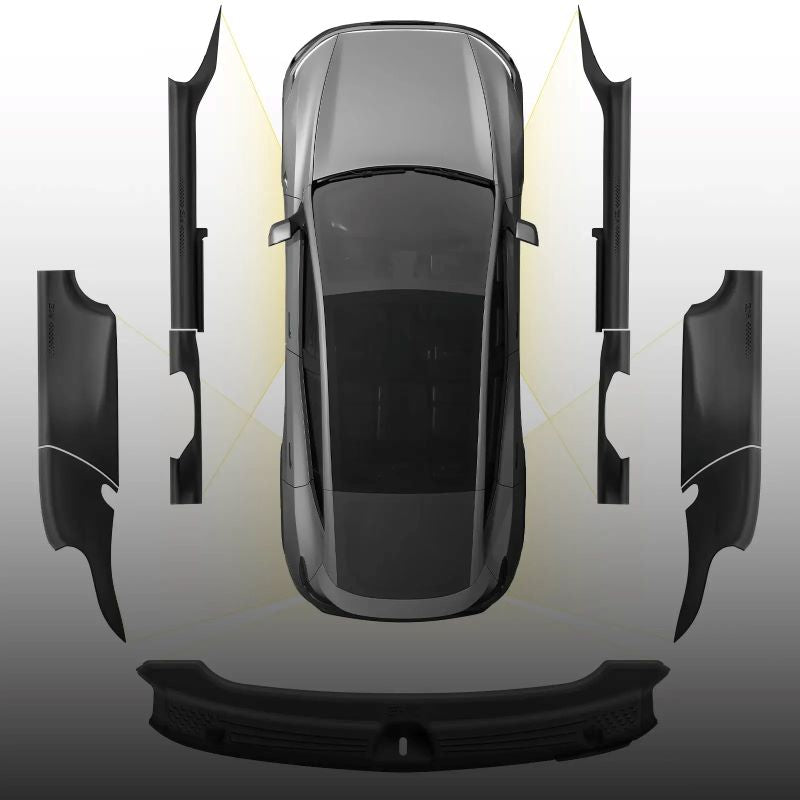
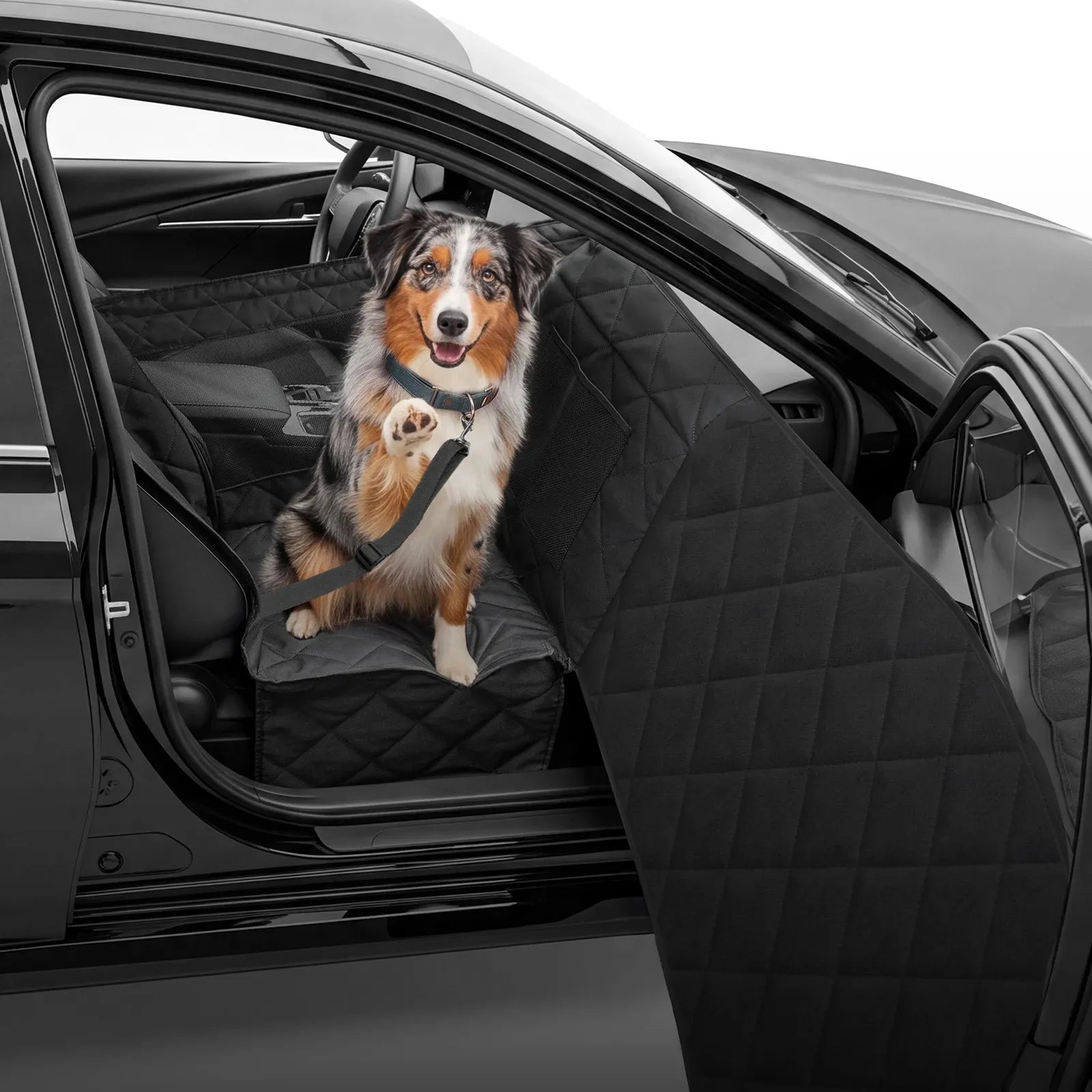
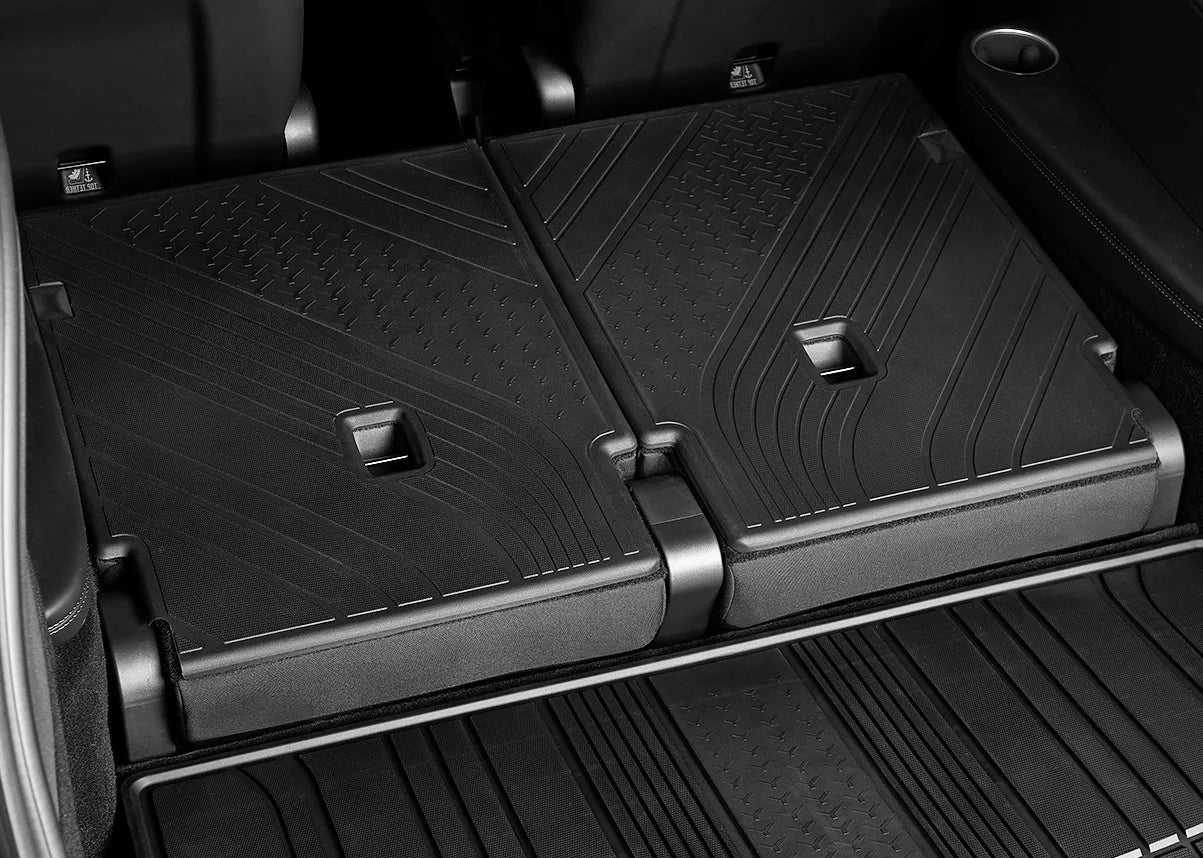
A material-by-material comparison of TPE, fabric, and neoprene seat back protectors to help SUV owners pick the right fit for their use case.
Most seat back protector listings mention material in a single line item, but TPE, fabric, and neoprene behave in genuinely different ways once cargo, pets, and spills actually show up. Picking one based on price or how it looks in a photo is how buyers end up disappointed a few months in [1].
How the Three Materials Actually Compare
Material |
Water Resistance |
Odor Resistance |
Scratch Resistance |
Feel |
TPE |
Non-porous, fully resists moisture |
High, doesn't absorb smell |
High, resists claws and hard-edged cargo |
Firm, wipes clean easily |
Fabric |
Low, absorbs spills |
Low, retains odor over time |
Moderate, can tear or fray under repeated abrasion |
Soft, closer to factory upholstery |
Neoprene |
Check the cover's construction and care instructions; dry spills promptly |
Depends on the cover construction and care routine |
Depends on the cover construction and outer layer |
Cushioned, stretchy fit |
Why TPE Wins on Paper for Cargo-Facing Use
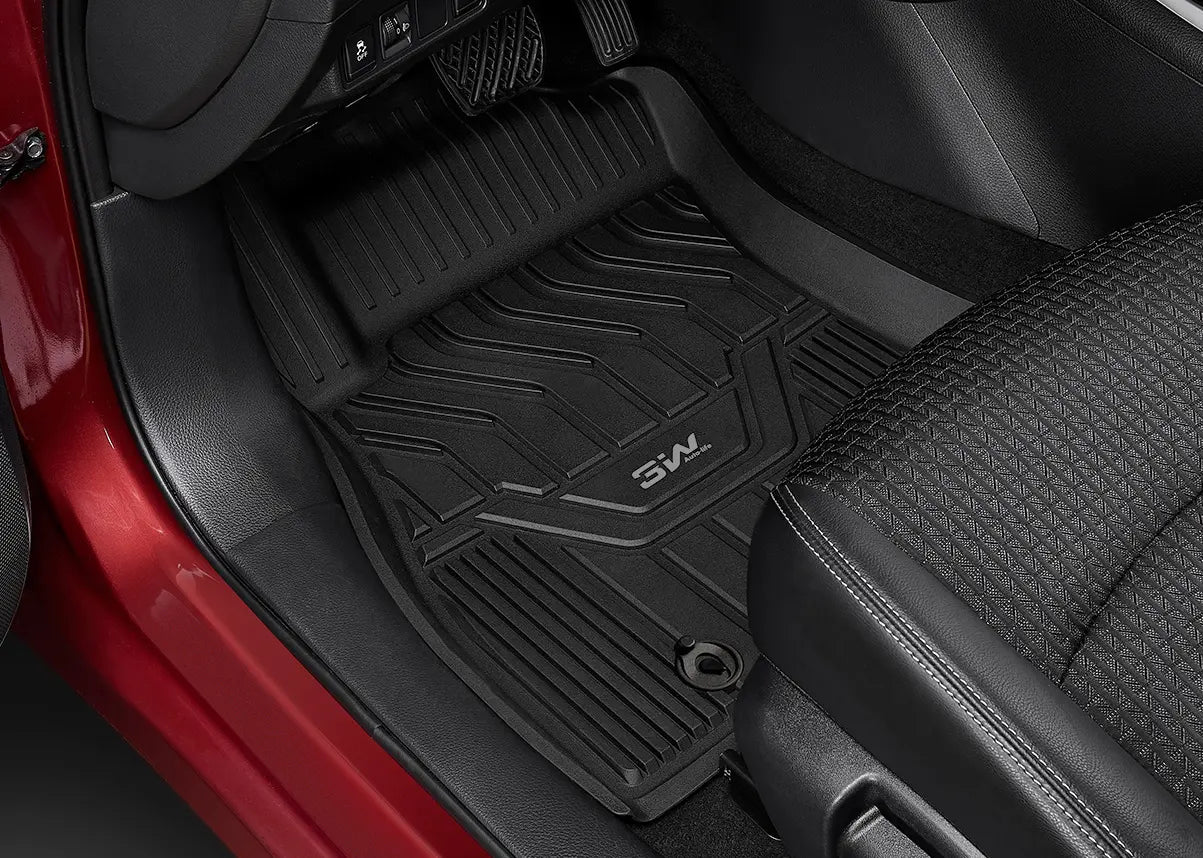
TPE's non-porous structure means liquid and odor stay on the surface instead of soaking in, which matters most for anyone hauling wet gear or carrying pets regularly [1]. That's a direct consequence of the material itself, not a marketing claim — the same property is why 3W uses TPE across its floor liners and cargo liners, where wipeable, non-absorbent surfaces are the whole point [3][6][7].
Why Fabric Struggles Specifically at the Seat Back
Fabric gives you a closer match to factory upholstery, and for light use that's a real advantage. The problem shows up with repeated exposure: a woven structure has nowhere for a spill to go but into the material, so moisture and odor accumulate over time rather than wiping away. That's less of an issue for a seat cushion that mostly deals with normal seating wear, and more of a problem for a seat back facing direct cargo contact [1].
Where Neoprene Actually Falls Short Here
Neoprene's comfort and stretch make it a popular choice for full seat covers, which explains why it shows up often in that category rather than as a seat back-specific protector. Water handling depends on the cover's construction, including any outer textile layer, so use the manufacturer's care instructions and dry spills promptly. For seat backs specifically, compare the stated cleaning method, construction, and coverage rather than treating the base material alone as a complete durability answer.
When Fabric Is Still the Right Call
None of this makes fabric a bad choice across the board. For SUV owners who rarely fold the seats down, or who load only soft bags and light groceries when they do, fabric's styling advantage can outweigh its lower resistance to moisture and odor, since the surface won't be tested by rough cargo often enough for that weakness to matter [1][2].
A Practical Way to Decide
- Regular cargo hauling with boxes, tools, or hard-edged items: TPE's scratch resistance holds up better over time
- Pets riding with access to the folded seat backs: a non-porous, wipe-clean TPE protector is a practical option for cargo-facing protection
- Occasional folded-seat use with only soft cargo: fabric's factory-matched look is a reasonable trade-off
- Priority on cushioned comfort over cargo durability: neoprene fits general seat covers better than seat back-specific protection
Cleaning Differences That Show Up Over Time
TPE wipes clean with a damp cloth and dries quickly because its surface is non-porous. Fabric usually needs a proper fabric cleaner or a machine wash depending on the product, and takes longer to dry. For neoprene-covered products, follow the maker's care instructions and dry the cover after spills; the required care depends on the cover's construction and outer layer.
Climate Is a Bigger Factor Than Most Buyers Assume
In hot, sun-exposed regions, use the manufacturer's material and care guidance for the exact protector you are considering. In humid or coastal climates, drying a protector promptly after spills and cleaning it as directed helps prevent lingering moisture and odor. Buyers in consistently humid areas should prioritize a product page that clearly states the material, construction, and care method.
Cost Differences Across the Three Options
Fabric protectors tend to be the least expensive of the three, which tracks with their simpler construction. Neoprene sits closer to general-purpose seat cover pricing, reflecting the added cushioning. TPE protectors usually cost more, reflecting both the material's durability and the more precise molding process used to fit a specific vehicle. Whether that premium is worth it comes down to how the seat back actually gets used — for occasional light contact, the price gap may not translate into a noticeable benefit, but for regular cargo or pet exposure, it usually does [1][3].
What Owner Feedback Tends to Emphasize
Discussions comparing seat back protector materials often circle back to long-term performance rather than first impressions — specifically, how the surface holds up after repeated cargo contact rather than how soft or attractive it looks on day one. Feedback on TPE-based protectors has pointed to attachment strength and fit precision as differentiators worth checking before purchase, since a well-fitted protector in a durable material outperforms a loosely fitted one regardless of which material technically scores better on paper [4].
A Detail Worth Checking Beyond Material Alone
Material sets the baseline for durability, but thickness and backing construction affect how that material performs in practice. A thin TPE panel without reinforced backing can still tear under a sharp corner, just at a higher force threshold than fabric would. When comparing listings, checking whether the product specifies a reinforced or multi-layer construction — not just the base material — gives a more complete picture of expected durability than the material name alone [1].
Frequently Asked Questions
Is TPE or neoprene better for a seat back protector?
For 3W seat back protectors, TPE is the brand-supported material choice: it is non-porous and easy to clean. For a neoprene cover, check the product page for its construction and care instructions before comparing it directly.
Does fabric absorb odor over time?
Yes — fabric's woven structure retains both moisture and smell after repeated exposure, unlike non-porous materials like TPE.
Is neoprene actually waterproof?
Water handling varies by the construction of the specific cover, including its outer layer. Check the maker's care instructions and dry spills promptly rather than assuming the material label alone determines waterproof performance.
What material does 3W use for its seat back protectors?
3W uses TPE, the same non-porous material used across its floor liner and cargo liner products, chosen for scratch resistance and easy cleanup.
References
[1] 3W Auto-Life — Best Rear Seat Back Protectors for SUVs: TPE vs. Fabric vs. Neoprene Compared: https://3wliners.com/blogs/car-mats/best-rear-seat-back-protectors-for-suvs-tpe-vs-fabric-vs-neoprene-compared
[2] 3W Auto-Life — What Is a Rear Seat Back Protector? (And Why Cargo-Area SUV Owners Need One): https://3wliners.com/blogs/car-mats/what-is-a-rear-seat-back-protector-and-why-cargo-area-suv-owners-need-one
[3] 3W Auto-Life — FAQ: https://3wliners.com/pages/faq
[4] 3W Auto-Life — Seatback Protector Installation Guide: https://3wliners.com/pages/seatback-protector-installation-guide
[5] 3W Auto-Life — How to Protect the Back of Your Car Seat from Scratches and Stains: https://3wliners.com/blogs/car-mats/how-to-protect-the-back-of-your-car-seat
[6] 3W Auto-Life — Why TPE Material Floor Mats Are More Safe: https://3wliners.com/blogs/news/why-tpe-material-floor-mats-are-more-safe-old
[7] 3W Auto-Life — The 3W Product System: Floor Liners, Cargo Mats, Seat Protectors, and Truck Bed Mats Explained: https://3wliners.com/blogs/car-mats/the-3w-product-system-floor-liners-cargo-mats-seat-protectors-and-truck-bed-mats-explained

Leave a comment
All comments are moderated before being published.
This site is protected by hCaptcha and the hCaptcha Privacy Policy and Terms of Service apply.