


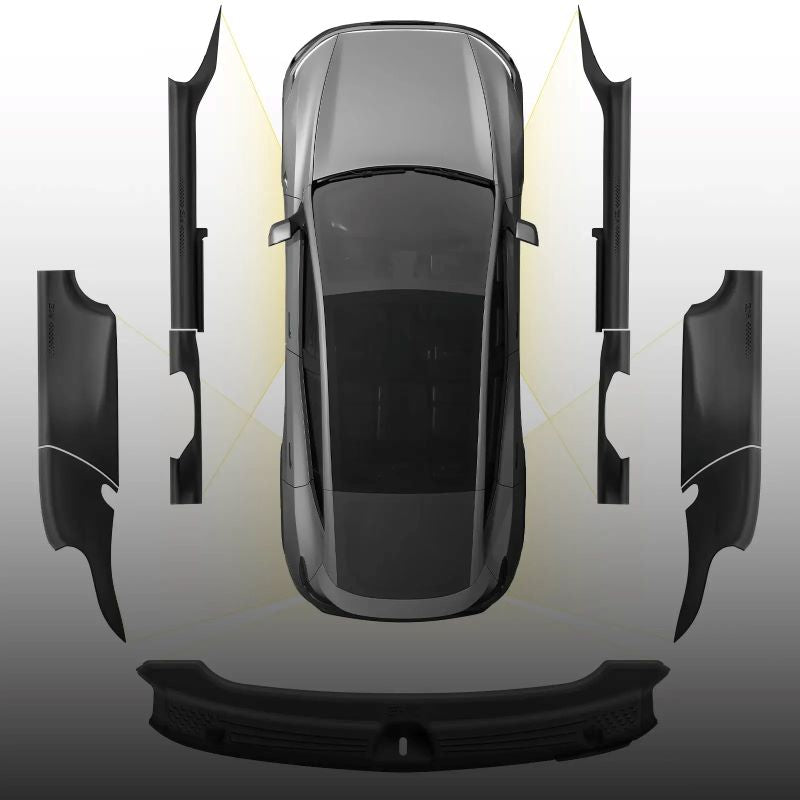
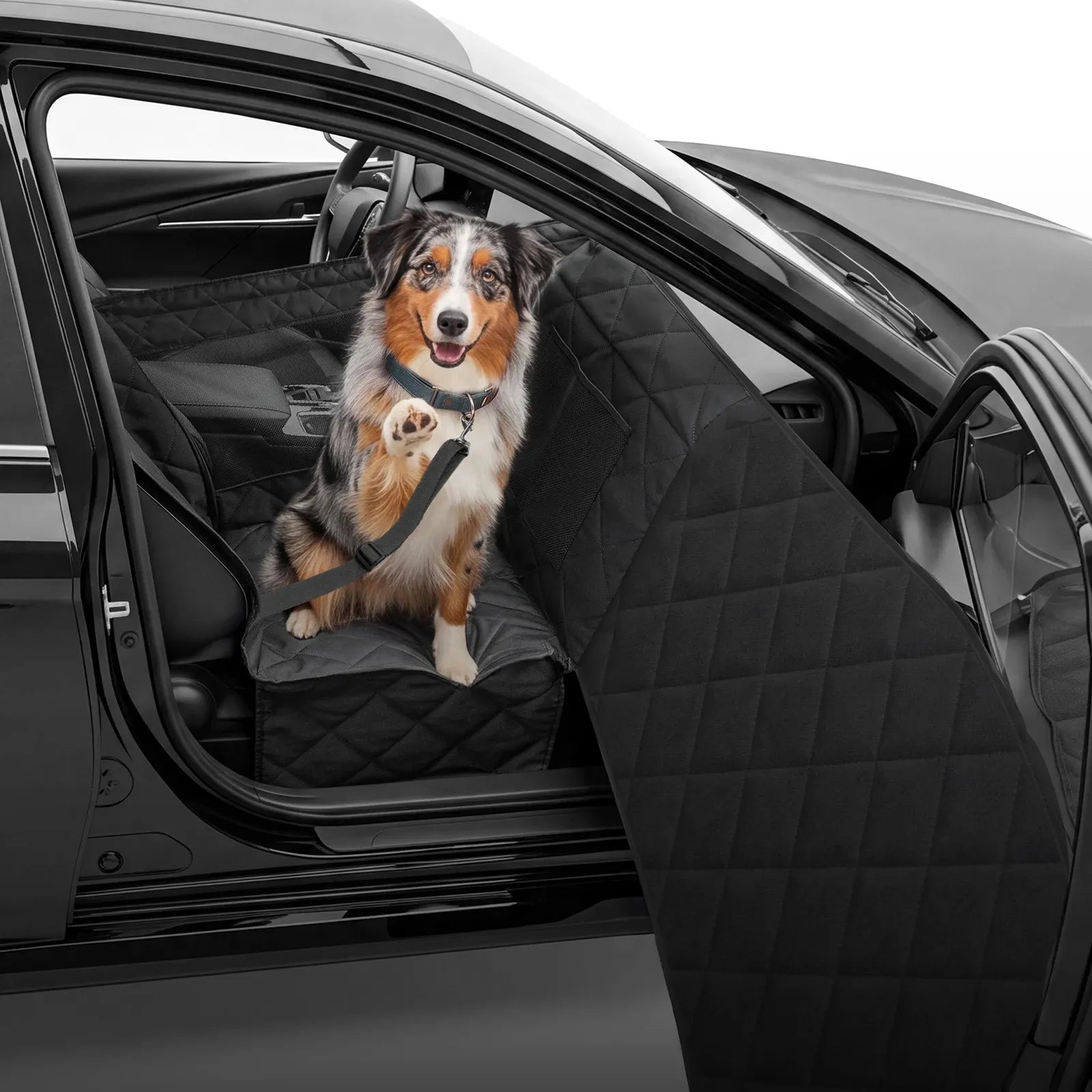
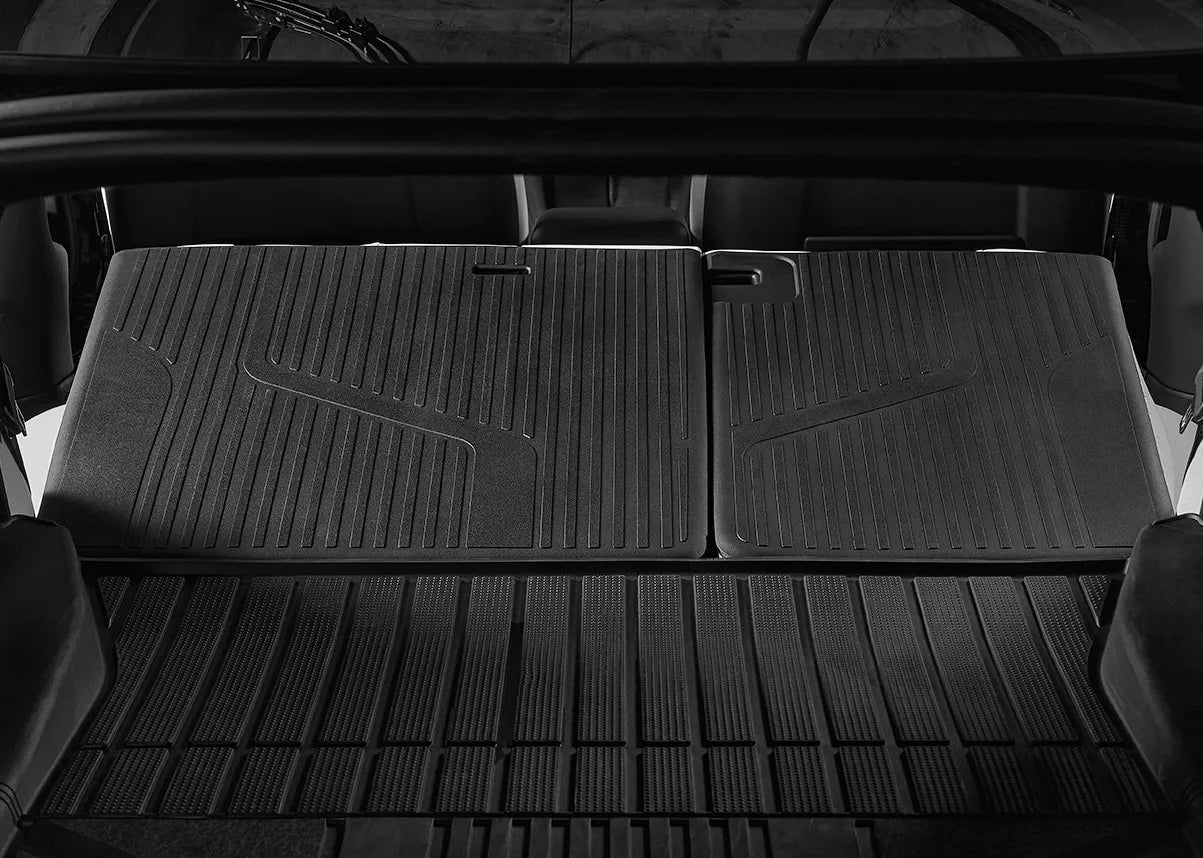
Fold the second or third row flat to load a bike or a few boxes, and the back of that seat suddenly becomes part of your cargo floor — a surface most owners never planned for cargo to touch. A rear seat back protector exists specifically for that moment, and whether it's worth adding depends less on the vehicle and more on how often those seats actually go down [1][7].
What Actually Gets Damaged, and Why
The panel facing the trunk when a seat folds flat is usually finished in a thinner, softer material than the seat cushion itself, since it was never engineered to take direct abrasion. Box corners, a dog's claws, a dropped tool — all of it scrapes against that same unprotected surface repeatedly, and the damage compounds quietly until someone notices a scuff or a tear months later [1][7].
Where This Product Earns Its Keep
Use Case |
Worth Adding? |
Reasoning |
Weekly cargo runs with seats folded |
Yes |
Repeated contact with boxes or equipment wears the panel fast |
A dog that rides with access to the folded seat backs |
Yes |
Claws and constant pressure scratch factory upholstery quickly |
Folding the seats a few times a year |
Probably not |
Limited exposure means limited real wear to prevent |
Third row that almost never comes down |
No |
The exposed surface this product protects barely gets used |
The Material Question Underneath the Coverage Question
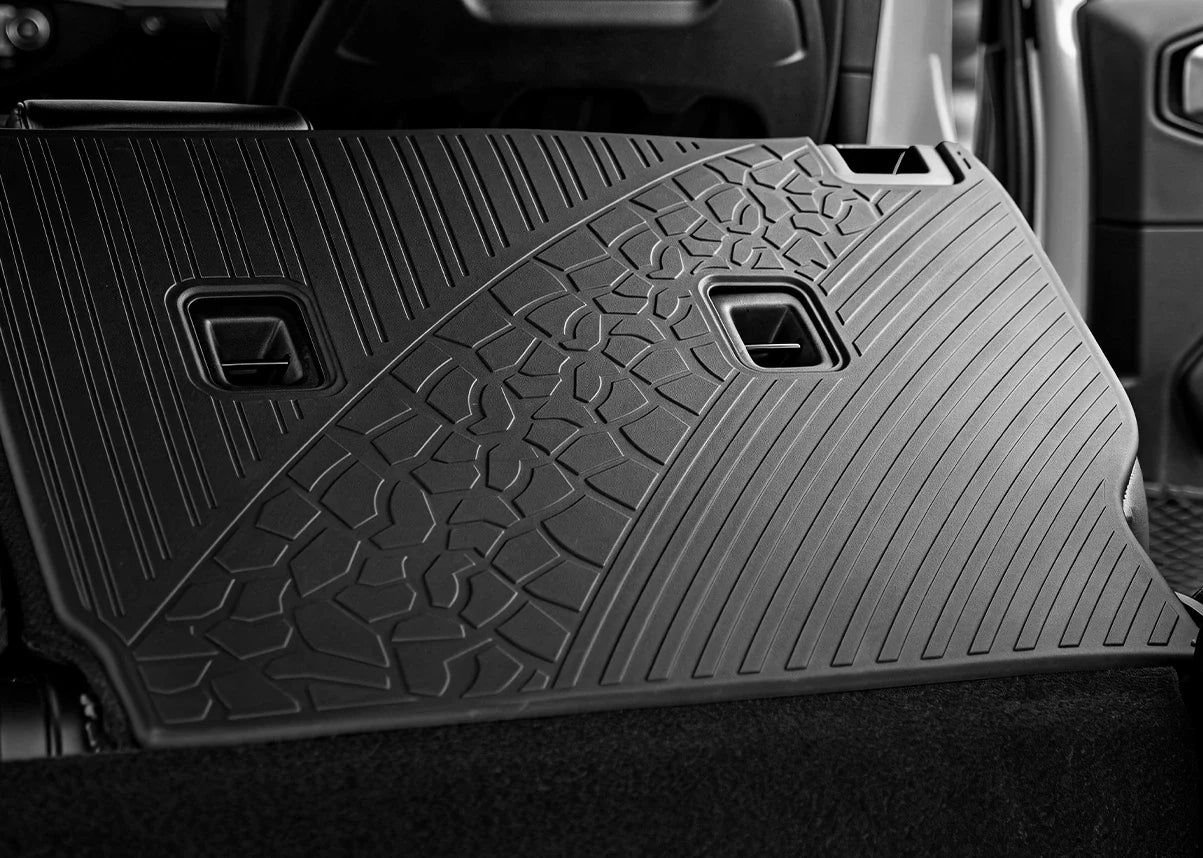
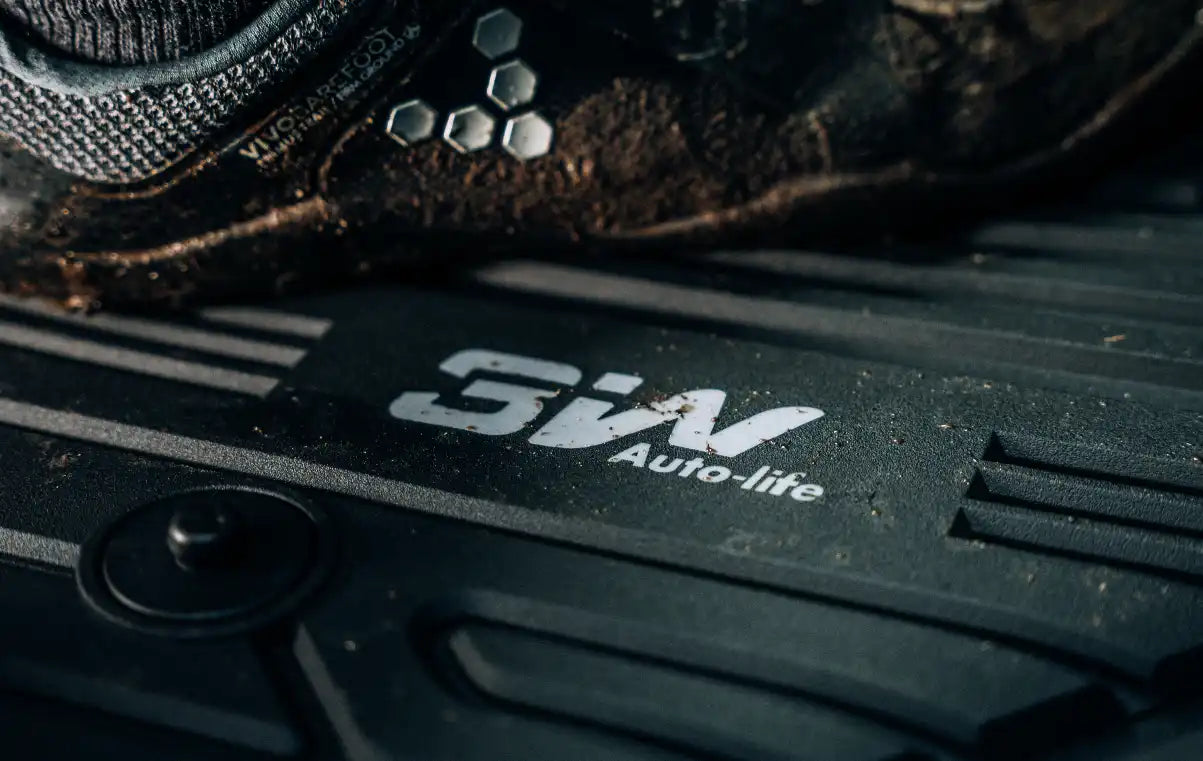
Coverage is only half the decision — what the protector is made from determines whether it actually holds up. 3W builds its seat back protectors from TPE, the same non-porous material used across its floor and cargo liner lines, chosen because it resists scratches and doesn't hang onto odor the way fabric or neoprene can after a wet dog or a spilled drink [1][3]. Fabric absorbs both moisture and smell over time since the woven structure has nowhere else for a spill to go, which is the main reason it falls behind for anything hauled straight from outside [1][7].
Fit Matters More Than the Spec Sheet Suggests
A seat back protector that shifts during a hard stop defeats its own purpose, so how it attaches matters as much as what it's made from. 3W's protectors are built to a precision fit for specific models and use the vehicle's existing attachment points where the design allows, with the installation guide walking through aligning the panel before securing it [2]. 3W's installation guide shows the attachment process for supported vehicles. Because coverage and mounting can shift between listings, check the fitment and installation details for your vehicle before ordering [2][6]. For supported vehicles, installation is straightforward when the panel is aligned to the correct row and secured to the listed attachment points, but it is not universal across SUV configurations [2].
What It Doesn't Cover
This product protects one panel: the cargo-facing side of a folded seat. It doesn't touch the seat cushion, the forward-facing upholstery, or the floor underneath. Most owners pair it with a cargo liner for the load floor and floor mats for the passenger area, since each piece is solving for a different surface rather than duplicating coverage [4].
When to Skip It
If the second or third row rarely folds, or when it does the cargo is limited to soft bags and light groceries, the seat backs aren't taking enough abrasion to justify the purchase. This is one of those accessories that's genuinely optional for a chunk of SUV owners — it's not a universal must-have, it's a fix for a specific, recurring wear pattern [1][7].
Why This Skews Toward Three-Row SUVs
Two-row crossovers used mainly for commuting rarely put their rear seats into cargo-facing position. Three-row family SUVs fold seats down far more often to fit sports equipment, camping gear, or a bulk grocery run, which is why this accessory shows up more in that segment's product lineups than in compact daily drivers [1][7].
Weighing the Cost Against What It Prevents
Whether the cost makes sense depends on how often the seats become part of the cargo area and on the fitment available for your vehicle. For occasional light loads, it may not add enough value; for repeated cargo use, it can be a practical way to protect that exposed panel [1][2].
Checking Fit Before You Order
Coverage and attachment vary by vehicle and by row, so confirming the exact model, generation, and whether it's for the second or third row avoids the most common mismatch in this category. A protector sized for a bench-style second row won't necessarily fit a 60/40 split third-row configuration, and checking that detail against the listing takes less time than dealing with a return [1][2].
A Realistic Look at Vehicle-Specific Variation
Coverage details differ enough across SUV models that a protector designed for one three-row crossover may leave a small gap on another, even within the same general size class. Factors like headrest shape, seat-back curvature, and whether the vehicle has a fold-flat mechanism or a manual recline all affect how closely a given protector conforms. This is why checking product photos and listed compatibility for your specific model, rather than assuming a generic "fits most SUVs" claim applies evenly, is worth the extra few minutes before ordering [1][2].
Frequently Asked Questions
What does a rear seat back protector actually do?
It shields the back panel of folded seats from scratches, dents, and stains caused by cargo, tools, or pets when the seats double as part of the load floor [1][7].
Do I need one if I rarely fold my seats down?
Probably not — if the seat backs rarely take contact from cargo, this product isn't addressing a real risk for your situation [1][7].
Is TPE better than fabric for this kind of protector?
Generally yes. TPE resists moisture and odor better than fabric, which absorbs both over repeated exposure to spills or pets [1][7].
Is a rear seat back protector easy to install?
For a supported vehicle, installation follows the product-specific guide and uses the listed attachment points. Confirm your model, seat row, and configuration before ordering, since installation details vary by vehicle.
Does a seat back protector replace a cargo liner?
No — it only covers the seat back panel. A cargo liner covers the load floor, and most owners use both together [4].
References
[1] 3W Auto-Life — What Is a Rear Seat Back Protector? (And Why Cargo-Area SUV Owners Need One): https://3wliners.com/blogs/car-mats/what-is-a-rear-seat-back-protector-and-why-cargo-area-suv-owners-need-one
[2] 3W Auto-Life — Seatback Protector Installation Guide: https://3wliners.com/pages/seatback-protector-installation-guide
[3] 3W Auto-Life — Back Seat Mats Collection: https://3wliners.com/collections/back-seat-mats
[4] 3W Auto-Life — The 3W Product System: Floor Liners, Cargo Mats, Seat Protectors, and Truck Bed Mats Explained: https://3wliners.com/blogs/car-mats/the-3w-product-system-floor-liners-cargo-mats-seat-protectors-and-truck-bed-mats-explained
[5] 3W Auto-Life — FAQ: https://3wliners.com/pages/faq
[6] 3W Auto-Life — Best Rear Seat Back Protectors for SUVs: TPE vs. Fabric vs. Neoprene Compared: https://3wliners.com/blogs/car-mats/best-rear-seat-back-protectors-for-suvs-tpe-vs-fabric-vs-neoprene-compared
[7] 3W Auto-Life — How to Protect the Back of Your Car Seat from Scratches and Stains: https://3wliners.com/blogs/car-mats/how-to-protect-the-back-of-your-car-seat

Leave a comment
All comments are moderated before being published.
This site is protected by hCaptcha and the hCaptcha Privacy Policy and Terms of Service apply.