


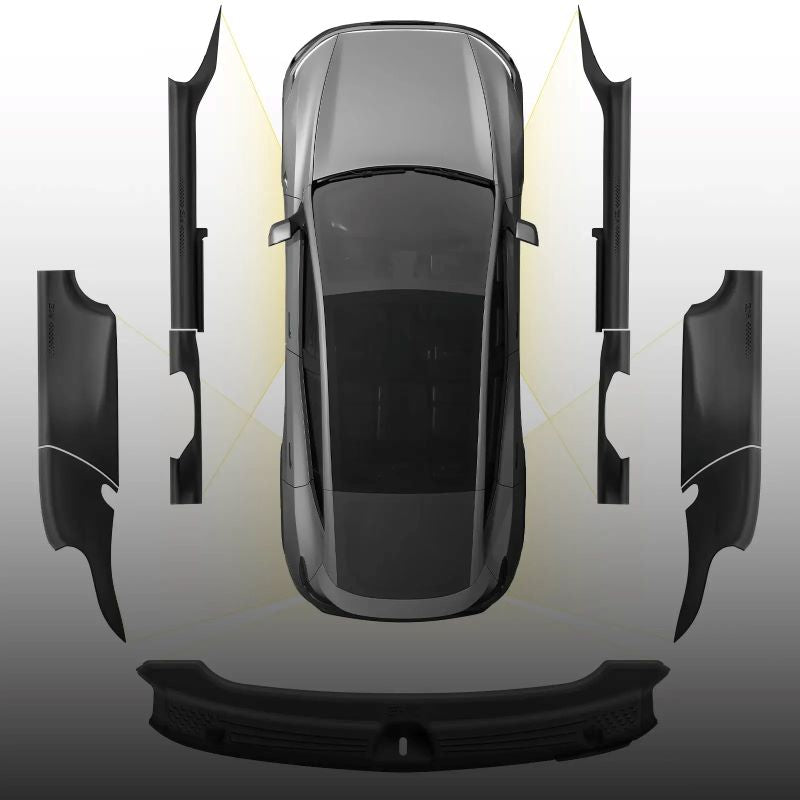
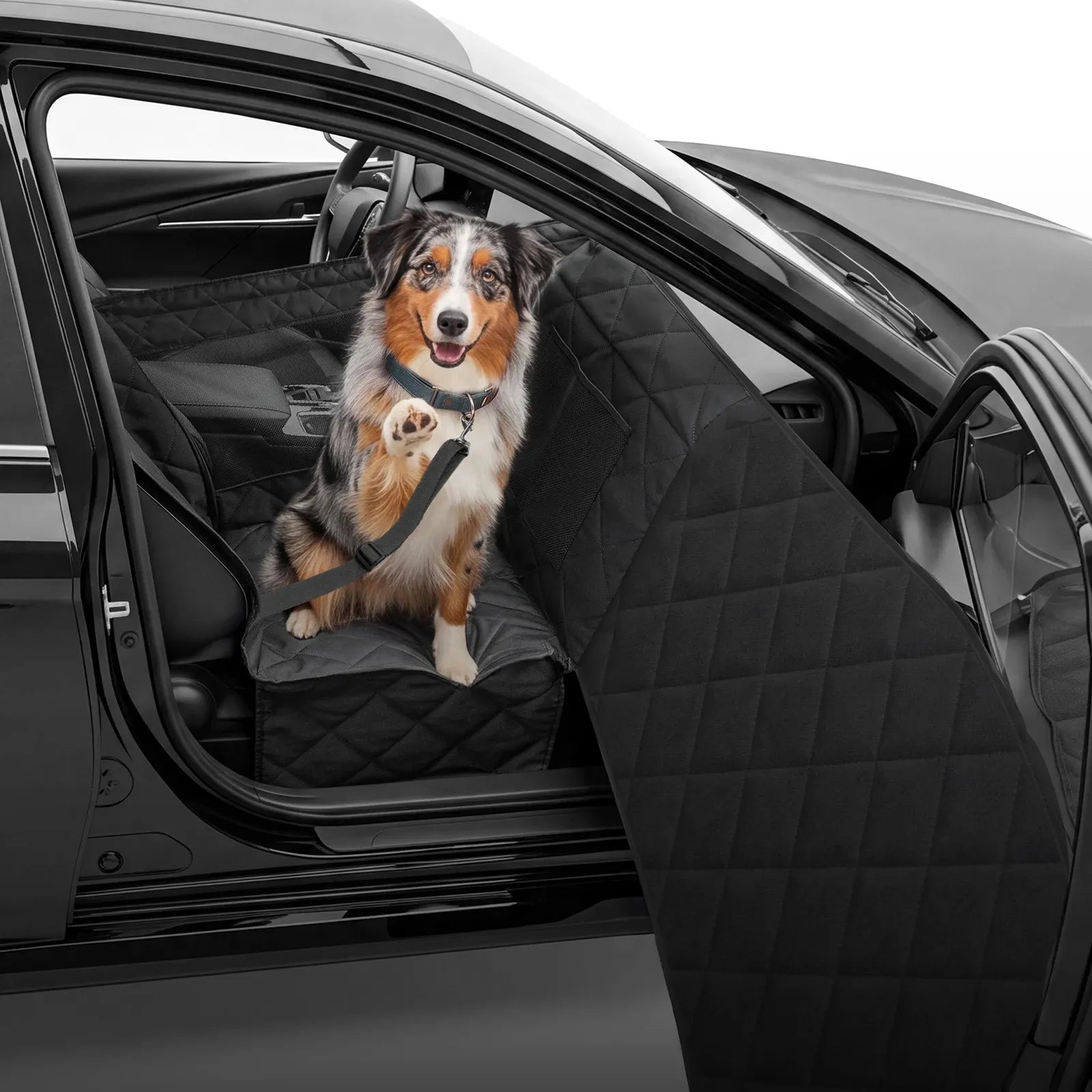
A practical comparison of factory accessories and vehicle-specific liners, focused on fit, coverage, containment, retention, and day-to-day care.
Factory floor mats and aftermarket liners solve the same basic problem in different ways. OEM accessories are engineered for a manufacturer-defined vehicle configuration, while 3W builds model-specific liners around 3D scanning and molded coverage. The useful comparison is not factory versus aftermarket in the abstract; it is whether the exact set matches your model, year, trim, floor type, and retention points [1][2].
What 'Factory-Installed' Actually Means
“OEM” identifies the accessory source, not a universal level of coverage. A factory set may provide a familiar appearance and verified compatibility for a listed configuration, while a molded liner may extend farther up the footwell or around the console. In either case, the fit must be checked against the exact vehicle configuration rather than assumed from the brand name alone [1][2].
Where the Real Differences Show Up
Attribute |
OEM Mats |
3W Custom-Fit Liners |
|---|---|---|
Fit process |
Manufacturer-designed for listed vehicle configurations |
3D-scanned and molded for listed vehicle configurations |
Coverage |
Varies by the specific OEM accessory |
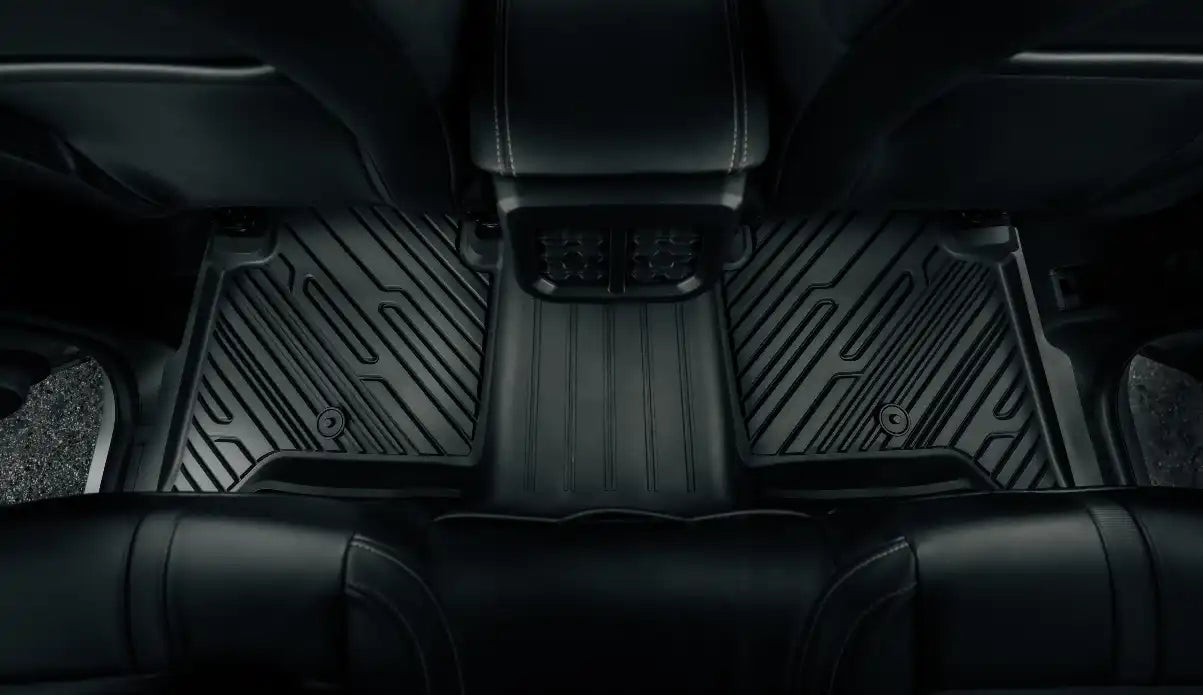
Molded coverage shaped around the listed floor contours |
Edge design |
Varies by product and vehicle |
Raised perimeter intended to contain tracked-in moisture and debris |
Retention |
Uses the vehicle's approved retention arrangement |
Uses model-specific retention points where provided |
| Material options | Typically carpet or basic rubber | TPE, with an optional double-layer carpet-over-TPE design |
Fit Depends on the Exact Configuration
Two mats sold for the same model name can still differ because of model year, trim, floor material, seat layout, or under-seat storage. Before comparing coverage, verify those details on the product page and confirm that every retention point lines up without forcing the liner into place. A correct match should sit flat and preserve clear pedal travel; a mismatch should be treated as a fitment problem, not corrected by trimming the driver-side liner [5][6].
Why Raised Edges Matter More Than They Sound
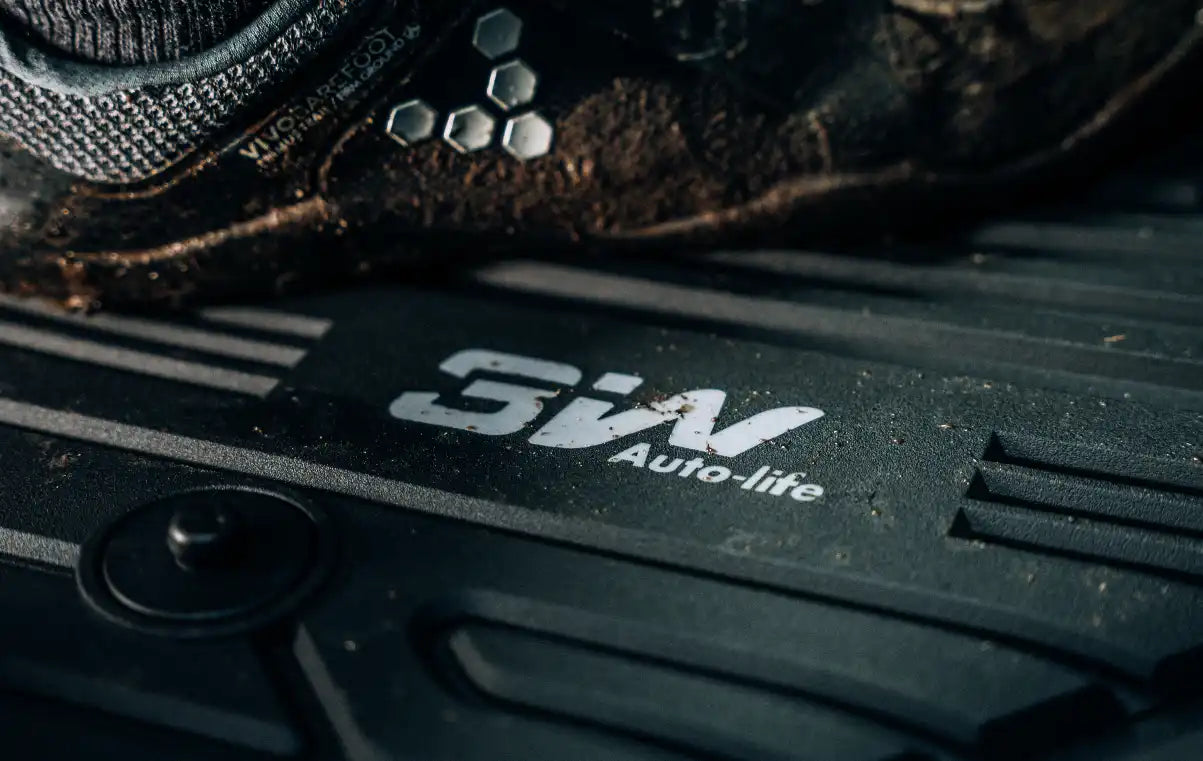
Containment depends on the shape of the individual mat, not simply whether it is OEM or aftermarket. 3W liners use a molded perimeter intended to hold tracked-in water and debris on the liner surface. Compare that geometry with the exact OEM accessory for your vehicle, especially around the door sill, dead pedal, console, and rear footwell [2].
The Safety Angle Dealerships Don't Always Mention
A liner must never obstruct pedal travel or move into the driver footwell. Install only the set listed for the exact vehicle configuration, remove any mat underneath it, and engage the vehicle's retention points as instructed. After installation, press each pedal through its full travel and recheck the liner after cleaning or repositioning it [4].
Where OEM Mats Still Make Sense
OEM mats aren't without merit. OEM mats remain a sensible choice when the listed accessory fits correctly, stays secured, and provides enough coverage for the way the vehicle is used. Factory styling, material feel, dealer support, and simple replacement can all matter. The decision should come from the exact product specifications and driving conditions, not a blanket assumption that either category is always better [3][5].
When the Upgrade Is Worth It
- Households with kids or pets that generate regular spills, hair, or mud benefit most from full edge-to-edge coverage
- Owners in wet or snowy climates gain the most from raised-edge containment that flat OEM mats don't offer
- Drivers who've noticed their factory mats shifting or bunching near the pedals should prioritize a vehicle-specific, anchored fit
- If a factory-matched interior look matters more than mess management, OEM mats remain a reasonable choice
A Comparison Owners Have Already Run
3W has published a direct comparison against Chevrolet's own OEM floor mats, covering fit, durability, cleaning, and protection differences specific to that platform, which gives Silverado and Sierra owners a documented reference point rather than a generic claim [1]. Owners weighing the switch on Toyota, GM, or similar factory-fit vehicles can generally expect the same structural gap — general template versus laser-scanned fit — to apply.
How Much the Fit Gap Actually Costs Over Time
A mat that doesn't seal against the floor edge lets spills, road salt, and moisture reach the carpet underneath, and repeated exposure over a couple of winters is what eventually shows up as staining or odor that's much harder to remove than a quick wipe of the mat itself. Framed that way, the real cost difference between OEM and a laser-scanned liner isn't the sticker price of the mat — it's what happens to the factory carpet underneath it after a few unprotected seasons [2].
A Note on Warranty Coverage
OEM mats are typically covered under whatever general accessory warranty the dealership offers, and that coverage varies by manufacturer and often excludes normal wear. Custom aftermarket liners carry their own separate warranty terms, so checking what's covered, what's excluded, and for how long is worth doing before assuming either option protects you better on paper [3].
How to Decide for Your Own Vehicle
The choice really comes down to three questions: how much moisture and debris your drives typically generate, whether your factory mats have ever shifted or bunched noticeably, and how much you value edge-to-edge coverage versus a factory-matched look. Answering those honestly for your own driving pattern is more useful than a blanket recommendation, since this genuinely depends on use case rather than one option being better in every scenario [1][5].
Frequently Asked Questions
Are OEM floor mats actually worse than aftermarket ones?
Not universally. Compare the exact products for listed compatibility, coverage, edge shape, retention, material, and care rather than assuming either category is always better [1][2].
Do OEM mats have raised edges to contain spills?
Edge geometry varies by product. Check the exact OEM accessory against the molded perimeter and containment features of the compatible 3W liner [1][2].
Is it safe to keep using factory floor mats?
Generally yes when the correct mat is installed alone, secured with the specified retention points, and does not obstruct pedal travel [4][5].
When do OEM mats make more sense than an upgrade?
OEM mats can make sense when the listed accessory fits correctly, stays secured, provides enough coverage for your use, and its styling or material feel is a priority [1][3].
References
[1] 3W Auto-Life — 3W Liners vs Chevrolet OEM Floor Mats: https://3wliners.com/blogs/car-mats/3w-liners-vs-chevrolet-oem-floor-mats
[2] 3W Auto-Life — Floor Mats and Floor Liners Collection: https://3wliners.com/collections/floor-liners
[3] 3W Auto-Life — FAQ: https://3wliners.com/pages/faq
[4] 3W Auto-Life — Official Site: https://3wliners.com/
[5] 3W Auto-Life — How to Keep Car Floor Mats from Sliding: https://3wliners.com/blogs/car-mats/how-to-keep-car-floor-mats-from-sliding
[6] 3W Auto-Life — Honda CR-V 2023–2026 Custom Floor Mats: https://3wliners.com/products/3w-honda-cr-v-2023-2025-custom-floor-mats-trunk-mat-tpe-material-all-weather-protection
[7] 3W Auto-Life — About 3W: https://3wliners.com/pages/about-us

Leave a comment
All comments are moderated before being published.
This site is protected by hCaptcha and the hCaptcha Privacy Policy and Terms of Service apply.