


Practical steps and product choices for protecting the back of car seats from cargo, pets, and everyday wear.
The back of a car seat wears differently than the cushion. It gets scuffed by cargo and scratched by dogs riding loose in back, and most owners don't notice until the damage has already set in [1].
Figuring Out What's Actually Causing the Wear
Before picking a fix, it helps to identify whether cargo contact or pets are behind the damage, since each points to a different solution:
- Cargo contact when seats fold down to extend the load floor, where boxes and hard-edged items scrape the panel directly
- Pets riding loose in the cargo area or back seat, where claws and repeated pressure wear down fabric or vinyl over time
Matching the Fix to the Cause
Damage Source |
Best-Suited Fix |
Why It Works |
Cargo scraping folded seats |
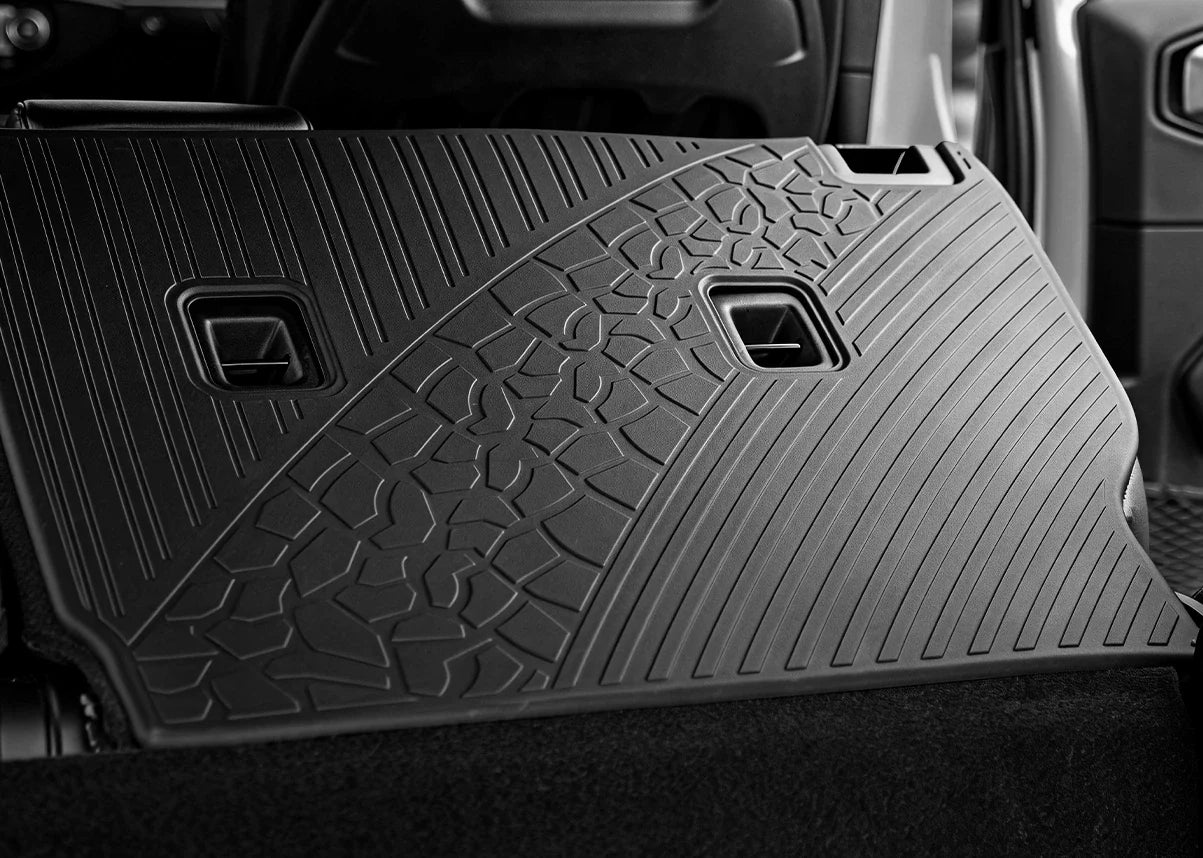
Full seat back protector in TPE |
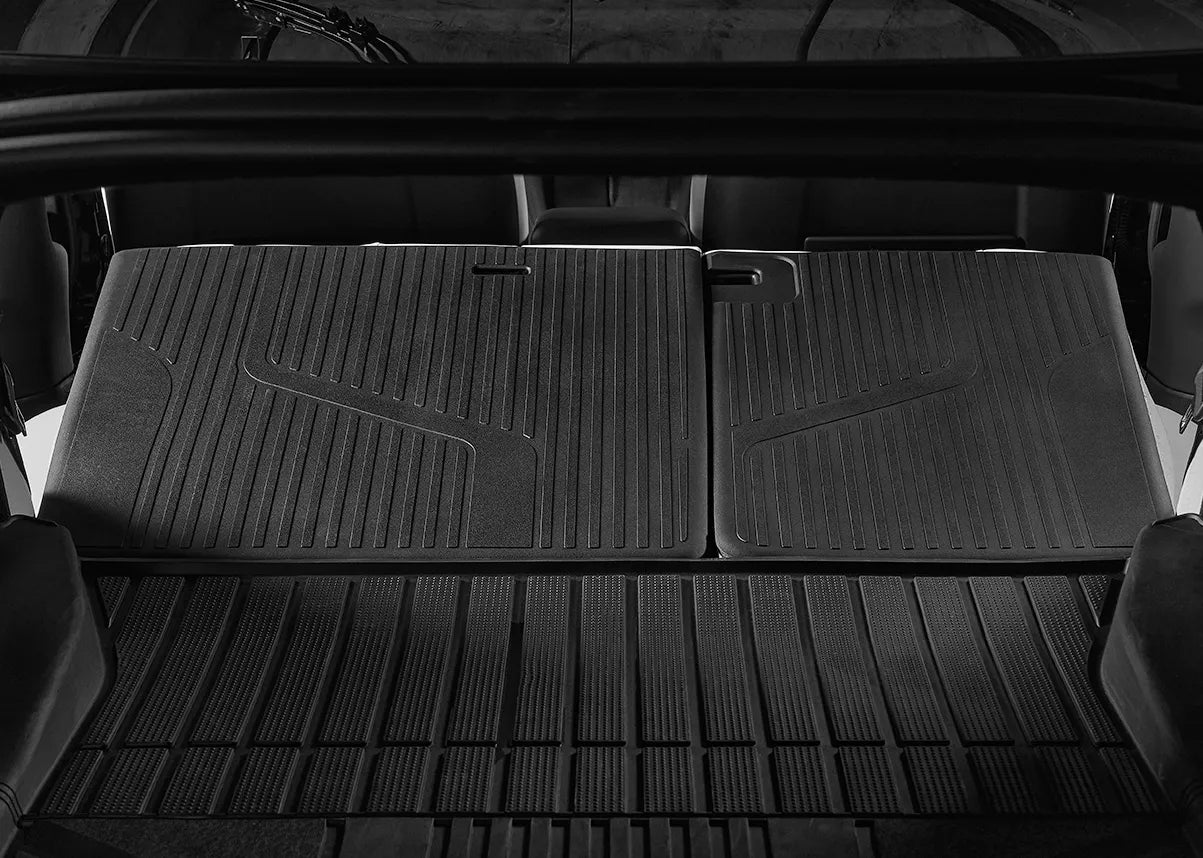
Covers the entire panel exposed when seats fold flat for cargo |
Pet claws and fur |
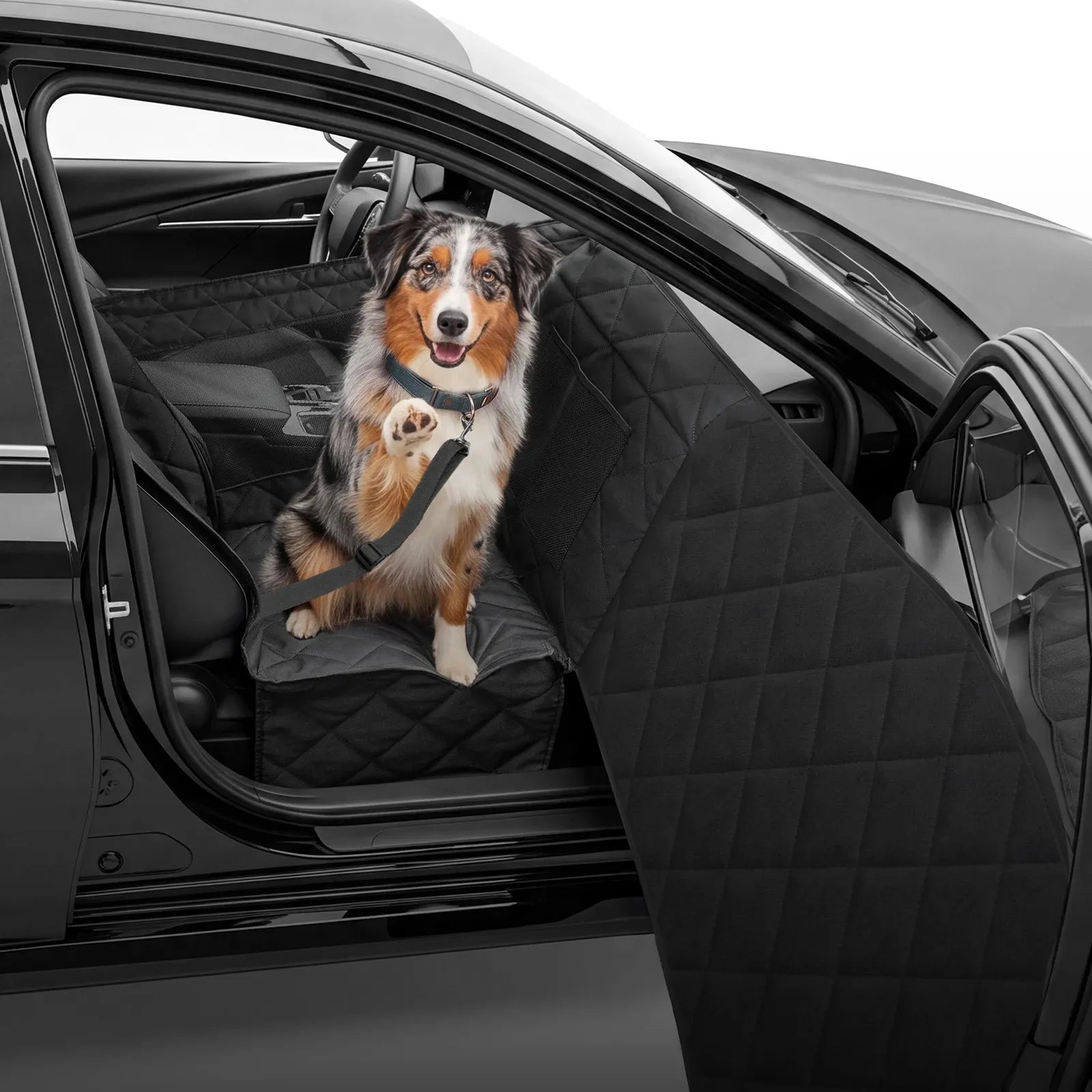
TPE seat back protector paired with a seat cover for the cushion |
Combines scratch resistance with easier cleanup of hair and odor |
Attachment Method Decides Whether It Actually Stays Put
Most protectors attach with straps or hook-and-loop fasteners rather than permanent hardware, and how well that holds determines whether the panel stays in place during hard braking or repeated seat folding. A loosely attached protector slides or bunches over time, which defeats the point of installing one. Checking whether a listing offers a precision fit for your specific model, versus a universal trim-to-fit design, is worth doing before ordering [1][4].
Material Still Comes First
Even a perfectly attached protector only holds up as well as what it's made from. TPE resists moisture, odor, and scratches better than woven fabric, which absorbs both moisture and smell over time, making it the more durable choice for cargo and pet-related contact [3].
What Installing One Actually Involves
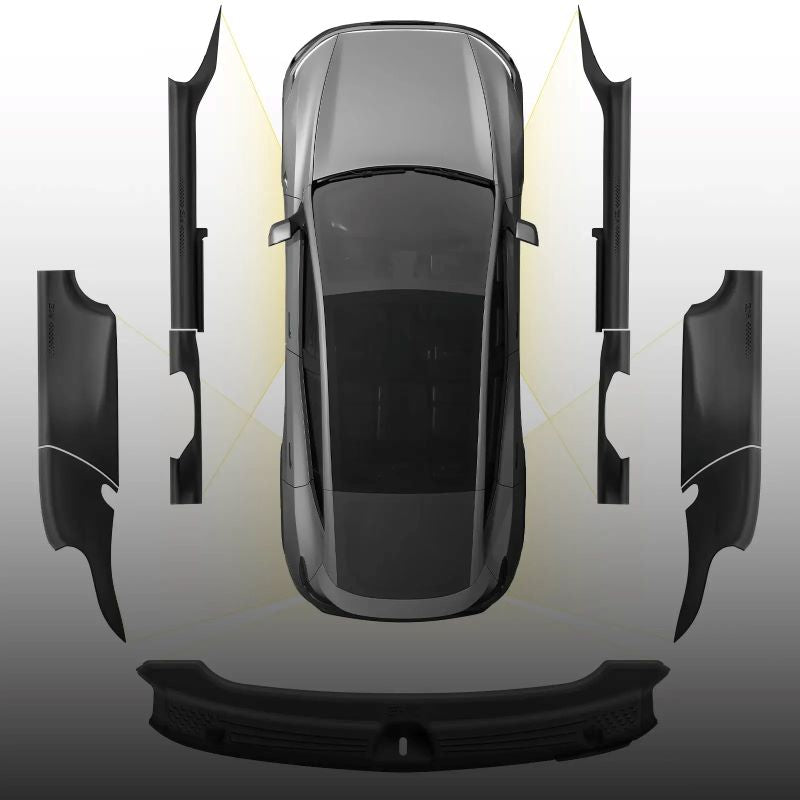
3W's seatback protectors are built for a precision fit to specific vehicle models and generally attach using existing seat mounting points where the design allows, following a guided alignment process before the panel locks in [4]. Universal, trim-to-fit protectors work differently — they usually ship with cut guidelines that need to be measured and trimmed to match the seat's shape, which leaves more room for an uneven result if the measurements are off. That extra step is worth factoring in before assuming a universal option is the faster route [4].
Layering Products for Full Coverage
A seat back protector handles one surface, and pairing it with other products covers the rest of what's exposed to the same wear sources. Owners dealing with pets can add a dedicated seat cover for the cushion alongside the seat back protector, since the two protect different surfaces facing similar risks [6]. Pairing a seat back protector with a cargo liner extends that protection from the seat panel down through the load floor, covering both surfaces cargo actually touches [2][7].
Catching Wear Before It Gets Expensive
Early signs are easy to miss but worth checking for: scuffs near the bottom edge, surface marks where cargo repeatedly presses, or slight discoloration where pet fur and moisture have built up. Addressing these signs with a protector before they turn into tears or set-in stains costs far less than repairing or replacing upholstery later [1].
Why This Also Affects Resale
Visible wear on seat backs is one of the details used-car appraisers and buyers notice during a walk-around, since it reflects how the interior was actually used day to day. Keeping the seat backs protected from the start, rather than only reacting once damage shows up, helps preserve interior condition through the vehicle's ownership life — a detail that matters more for anyone planning to sell or trade in within a few years [1].
A Habit That Extends Any Protector's Life
Regardless of material, wiping down a seat back protector after cargo trips or pet rides — rather than letting spills or mud dry into the surface — meaningfully extends how long it stays effective. TPE is built to wipe clean quickly since nothing absorbs into the material, but this habit matters just as much for fabric and neoprene protectors, since dried-in stains and odor are far harder to remove than fresh ones [3][5].
When a Simpler Fix Genuinely Covers the Problem
Some SUV owners never add any kind of seat back protection, and for a subset of them that's a perfectly reasonable call — light users who mostly carry soft-sided items and rarely fold seats down aren't exposing that surface to much risk in the first place. The decision isn't about whether protection is universally worthwhile, it's about whether your specific usage pattern creates enough repeated contact to justify the cost [1].
Frequently Asked Questions
What commonly damages a seat back when the rear seats are folded?
Cargo contact when seats fold down and pet claws or fur during regular rides are two common sources of wear.
When is a full seat back protector the better choice?
A full-panel protector is a practical choice when folded seats regularly contact cargo or pets have access to the seat back.
How do seat back protectors typically attach?
Most use straps or hook-and-loop fasteners rather than permanent hardware, so checking the attachment method and fit precision before buying helps avoid slipping or bunching later.
Can I use a seat back protector with a pet seat cover?
Yes — the two protect different surfaces. The seat back protector covers the panel, while a pet seat cover protects the cushion, and they're commonly used together.
References
[1] 3W Auto-Life — How to Protect the Back of Your Car Seat from Scratches and Stains: https://3wliners.com/blogs/car-mats/how-to-protect-the-back-of-your-car-seat
[2] 3W Auto-Life — What Is a Rear Seat Back Protector? (And Why Cargo-Area SUV Owners Need One): https://3wliners.com/blogs/car-mats/what-is-a-rear-seat-back-protector-and-why-cargo-area-suv-owners-need-one
[3] 3W Auto-Life — Best Rear Seat Back Protectors for SUVs: TPE vs. Fabric vs. Neoprene Compared: https://3wliners.com/blogs/car-mats/best-rear-seat-back-protectors-for-suvs-tpe-vs-fabric-vs-neoprene-compared
[4] 3W Auto-Life — Seatback Protector Installation Guide: https://3wliners.com/pages/seatback-protector-installation-guide
[5] 3W Auto-Life — FAQ: https://3wliners.com/pages/faq
[6] 3W Auto-Life — Car Accessories: https://3wliners.com/collections/car-accessories
[7] 3W Auto-Life — The 3W Product System: Floor Liners, Cargo Mats, Seat Protectors, and Truck Bed Mats Explained: https://3wliners.com/blogs/car-mats/the-3w-product-system-floor-liners-cargo-mats-seat-protectors-and-truck-bed-mats-explained

Leave a comment
All comments are moderated before being published.
This site is protected by hCaptcha and the hCaptcha Privacy Policy and Terms of Service apply.