


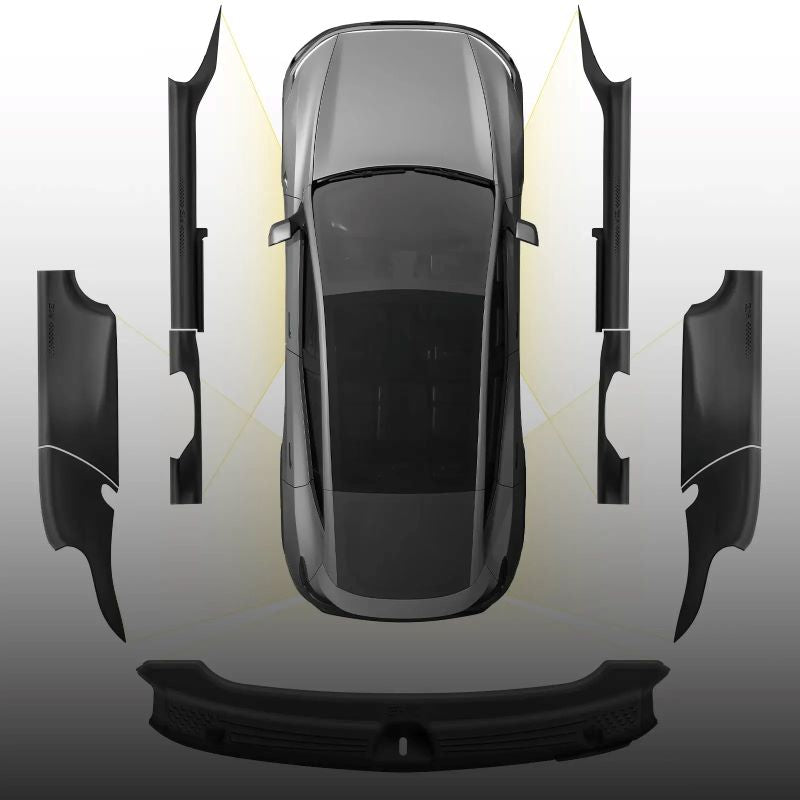
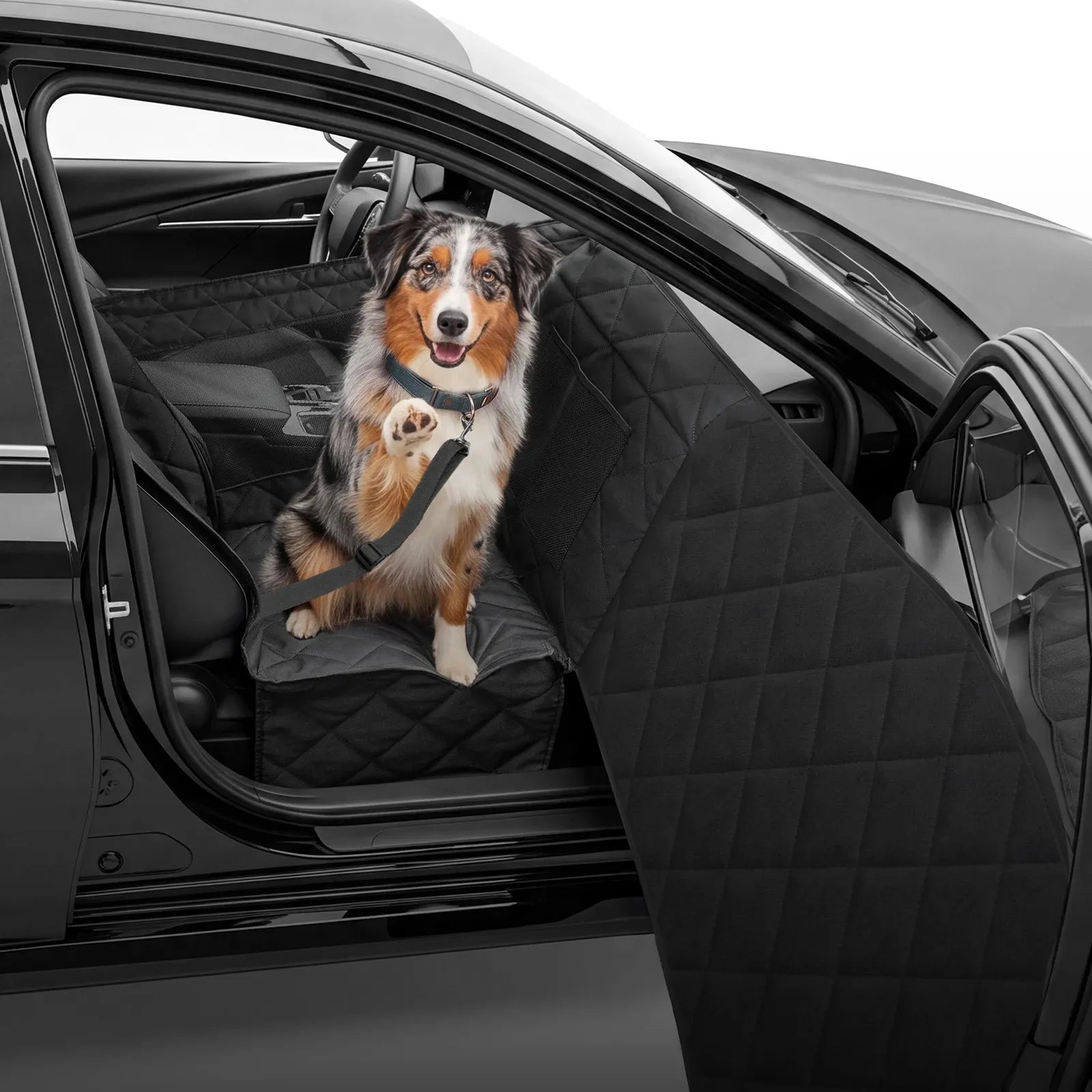
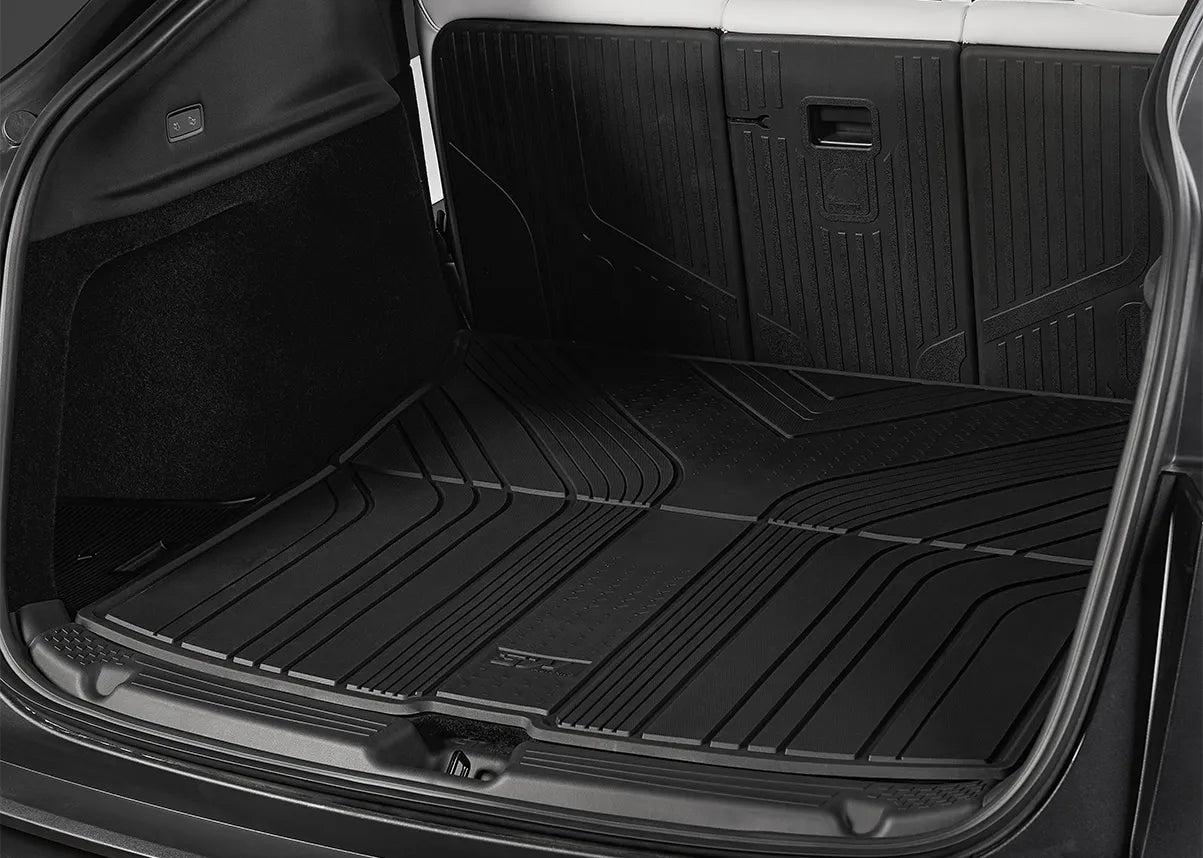
Your SUV's cargo area works harder than almost any other part of the vehicle. Grocery bags, sports equipment, pet carriers, camping gear, and toolboxes all cycle through that space week after week. That constant loading and unloading grinds against the carpet, scuffs the seat backs, and leaves a trail of stubborn stains.
The good news is that protecting your SUV's cargo area completely is simple. A well-matched set of cargo protection products covers every surface to keep the interior looking the way it did when you drove off the lot. And this guide explains exactly how 3W delivers the most complete cargo protection for SUVs.
What Does a Cargo Protection System Include?
A complete cargo protection system has two core components: a cargo liner and a rear seat back protector. Together, the two cargo protection products protect every surface. Using one without the other leaves the job undone.
The Cargo Liner: Floor-Level Protection
The cargo liner, also called a cargo mat or trunk liner, sits on the floor of your SUV's trunk area. It intercepts everything that lands on or drags across that surface. We're talking about spills from grocery bags, muddy boots after a hike, dirt from sports equipment, pet hair and paw prints, tool grease, and the dragging corners of luggage.
All those work directly into the carpet fibers without one. And they become nearly impossible to remove fully. A quality waterproof cargo liner keeps every drop, particle, and scratch on a cleanable surface rather than embedded in your vehicle's carpet.
The Rear Seat Back Protector: The Overlooked Surface
Most SUV owners think about the cargo floor immediately. Far fewer think about the surface directly above it: the back side of the last-row seat backs. It's the vertical surface facing the cargo area that takes constant abuse.
It could be luggage corners jabbing into it, toolboxes leaning against it, pet claws scraping across it, and wet gear pressing against it. Over time, repeated contact creates visible scuffs, scratches, stains, and wear patterns on the seat fabric or leather.
Such damages are expensive to repair and nearly impossible to reverse completely. A rear seat back protector is installed on the surface to absorb that impact. Thus, it keeps the original seat material in perfect condition underneath.
Why Do Both Components Together Make a Complete System?
Think of the cargo area as a box with two vulnerable surfaces: the bottom and the front wall. The cargo liner protects the bottom. The seat back protector protects the front wall.
Anyone with a cargo liner eventually ends up with scratched and scuffed seat backs. And someone installing only a seat back protector ends up with a stained, worn cargo floor.
What Makes an Effective Cargo Liner for an SUV?
The best all-weather cargo liners combine several traits regarding a specific vehicle. Budget liners cut corners on fit/material, whereas quality liners hold for years without warping, cracking, or losing their shape. If you're comparing options first, our breakdown of what makes a good cargo mat covers the must-have qualities to look for.
Custom Fit vs Universal: Why Precision Matters?
Cargo areas vary more between vehicles than most owners realize. A Toyota RAV4 has different wheel arch intrusions, floor contours, and spare tire access points than a Honda CR-V, a Ford Explorer, or a Chevy Equinox.
A universal cargo liner approximates the shape. However, those always leave gaps at the wheel arches, the rear trim, and the corners, where a fitted liner would seal cleanly.
Liquid sneaks through, and debris accumulates out of reach through those gaps. A custom-fit liner is laser-measured to your specific SUV's floor profile. It covers every contour edge-to-edge without trimming, bunching, or guesswork.
Material: Why TPE Outperforms Rubber and Carpet
The three most common cargo liner materials are carpet, rubber, and TPE. Each performs very differently.
- Carpet Liners: Absorb spills rather than containing them. Trap pet hair and fine debris in fibers. Difficult to clean thoroughly. Do well only in dry, light-use conditions.
- Rubber Liners: Water-resistant but heavy. Off-gas chemical odors in summer inside a sealed cargo. It cracks in cold temperatures and won't lie flat after rolling or folding.
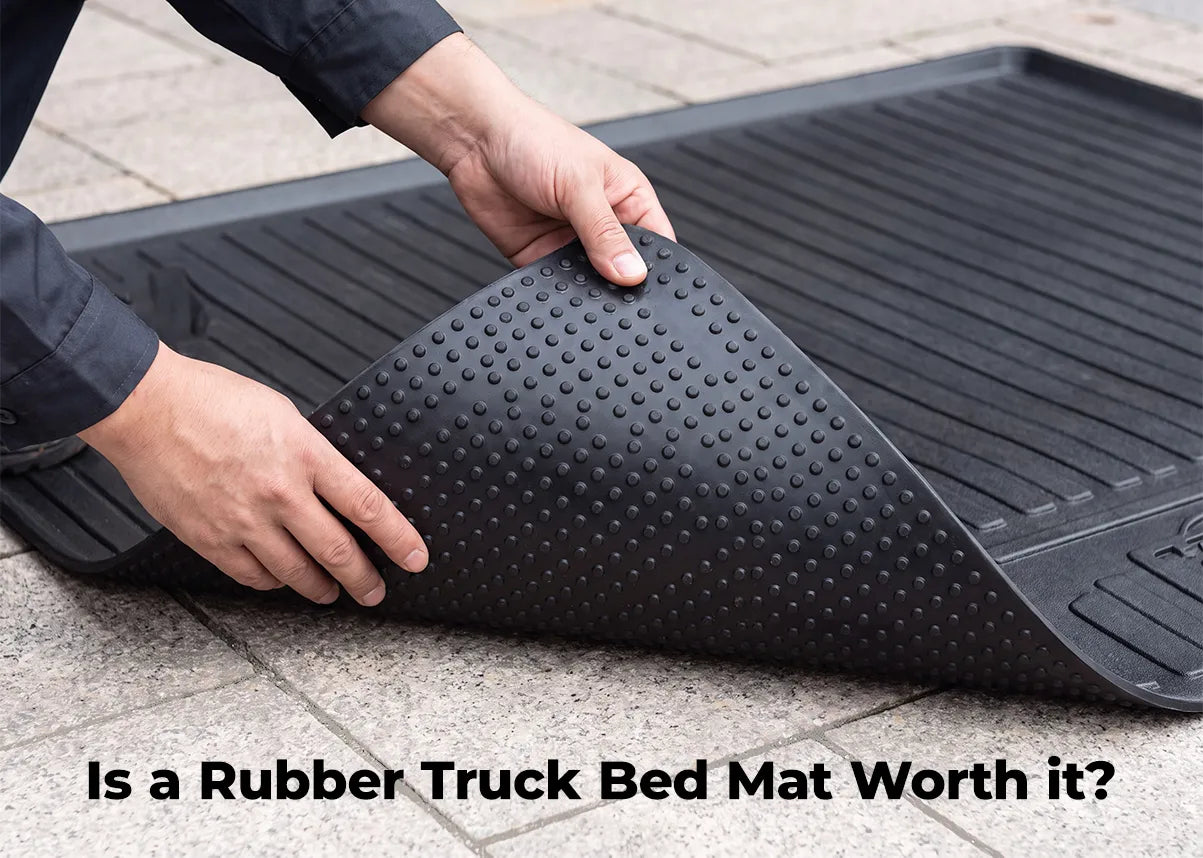
- TPE Liners: Waterproof, odor-free, thermally stable across temperature extremes. Lighter than comparable rubber. Wipe clean easily. Maintain their shape permanently.
Raised Edges: The Detail That Contains the Mess
A flat cargo liner without raised edges is only marginally better than bare carpet at containing liquids. A water bottle may tip over, or wet gear can drip onto the floor, spreading liquid to the lowest point.
And it's often the edge of the liner and then onto the carpet beneath. A liner with raised sidewalls creates a tray-like containment zone to hold the liquid in place. It separates a protective liner from a decorative one.
What Should a Rear Seat Back Protector Do?
A rear seat back protector shields the cargo-facing side of your last-row seats from scratches, stains, and wear. It installs directly over the seat back surface, absorbing impact and abrasion. A good protector fits the seat precisely, stays firmly in place, and removes cleanly without leaving marks or residue. For a closer look at this often-overlooked product, see our guide to the seat back protector.
The Most Common Sources of Seat Back Damage
Damage accumulates gradually, which is why many owners don't notice it until it's significant. The most common culprits –
- Hard-Sided Luggage and Cases: Corners and metal clasps scrape across seat backs every time items are loaded or repositioned.
- Tools and Equipment: Metal edges, heavy toolboxes pressed against the seat. And sharp-edged gear bags leave deep scratches and permanent impressions.
- Pet Claws: Dogs pushing off the seat back to stand or reposition during transit create repeated abrasion.
- Outdoor and Sports Gear: Bicycles, camping equipment, kayak paddles, and sports bags regularly contact seat backs during transport.
- Wet Items: Damp towels, wet gear bags, and dripping equipment pressed against fabric/leather cause moisture staining.
Key Features to Look For
- Vehicle-Specific Dimensions: The protector should match your exact seat back size. Always skip a generic rectangle that leaves sections of the edges exposed.
- Secure, Non-Damaging Attachment: Headrest loops or strap systems should securely hold the protector in place. No scratching of the seat surface or stressing of the upholstery occurs.
- Easy-Clean Surface: Smooth or lightly textured material that wipes clean in seconds.
- Waterproof TPE: The advantages that make TPE the best choice for cargo liners apply equally to the vertical surface.
3W's Complete Cargo Protection System: What You Get and Why It Works
3W builds the cargo liner and the rear seat back protector from the same material. So, the two products match in quality, durability, and performance. Each is precision-engineered for a specific SUV model rather than approximated from a generic size.
3W All-Weather Cargo Liner
The 3W all-weather cargo liner is laser-measured to your exact SUV model. It covers the full cargo floor from the tailgate sill to the back of the last-row seats. You'll get precise cutouts for wheel arches, tie-down points, and spare tire access.
Thorex™ TPE keeps it waterproof, odor-free, and thermally stable. Raised perimeter walls contain liquid and debris on the liner surface. Non-slip backing anchors it to the carpet without clips or adhesives. Cleanup takes a wipe or a quick rinse.
3W TPE Rear Seat Back Protector
The 3W rear seat back protector installs on the cargo-facing side of your last-row seats. Thus, it covers the surface that cargo, pets, and gear most commonly contact. Made from the same Thorex™ TPE, it installs easily — just align against the seat back and press in place. The integrated Velcro holds it securely; no headrest straps or buckles required.
Installation takes under three minutes per seat with no tools required, and removal for cleaning or inspection is equally fast. It comes off cleanly, leaving no marks, adhesive residue, or indentations on the seat material beneath.
How to Secure Cargo in the Back of an SUV and Maintain Your Protection System?
A cargo protection system gives you the foundation. How you load, organize, and maintain the cargo area determines how well that protection performs over time. A few consistent habits reduce wear on your liner and seat back protector.
Use Cargo Organizers to Reduce Surface Contact
Loose items in a cargo area shift during every stop and turn. They drag across the liner while repeatedly pushing against the seat backs. Collapsible cargo bins keep groceries, sports gear, and small items grouped and upright.
It dramatically reduces contact and friction, thereby reducing surface wear. Organizers with non-slip bases stay positioned on the cargo liner surface. And they simplify cleanup as you're to manage contained groups.
Lift Items Rather Than Dragging Them Over the Sill
The tailgate sill is the horizontal lip at the rear of the cargo opening. And it's the most frequent point of contact during loading and unloading. Most cargo liners cover the surface, but repeated heavy dragging wears them out faster than the floor.
Lifting items clear of the sill rather than sliding them over it extends the life of the liner and the factory surface. For consistently heavy loads like toolboxes or coolers, a sill protector pad adds targeted reinforcement at the highest-wear point.
Clean Both Components Regularly
Thorex™ TPE surfaces enable fast, easy, and steady cleaning. Regular maintenance keeps the protection working at full effectiveness. Remove the cargo liner every 2 to 4 weeks for regular use, shake off any loose debris, and rinse with a garden hose or wipe down with a damp cloth.
Get a damp microfiber cloth to remove dust, smudges, and light stains from the seat back protector in seconds. Neither product requires specialty cleaners; mild soap and water handle everything except heavy industrial residue. Inspect the original surfaces underneath periodically.
Conclusion
The cargo area of your SUV absorbs more daily wear than almost any other interior surface. The damage builds slowly enough that most owners don't notice until the damage becomes too apparent. By then, what would have cost very little would have cost way more to resolve.
A complete cargo protection system comes with a custom-fit all-weather cargo liner for the floor and a Thorex™ TPE rear seat back protector for the seat backs. 3W's products are precision-built for your specific SUV, easy to install and maintain, and last for years.
You can haul groceries, gear, pets, tools, or all four in the same week. And this is where the cargo protection setup keeps up. Browse the full range of 3W cargo liners and rear seat back protectors.


Frequently Asked Questions (FAQs)
Do I really need both a cargo liner and a seat back protector?
You don't need both to get meaningful cargo protection. However, using only one leaves the other surface exposed. Cargo floor damage and seat back damage develop from different activities and require different solutions.
How do I know which 3W products fit my SUV?
Use the selector at 3W. Entering your year, make, and model will return the exact cargo liner and seatback protector for your specific dimensions. 3W covers a wide range of SUVs, from compact crossovers to three-row full-size models.
Will the seat back protector damage my seats?
No. The 3W rear seat back protector features a strap-based mounting system. It loops over the headrest posts and anchors at the lower seat back. That means no adhesives, clips, or hardware to press into the upholstery.
Can I use 3W cargo protection products in a three-row SUV?
Yes. 3W builds cargo liners for two-row and three-row SUV configurations. In a three-row vehicle, the cargo area behind the third row is a distinct protected zone. And 3W's three-row cargo liners are measured for that specific space. See our picks for best cargo liners for SUVs and crossovers covering everything from groceries to camping gear.

Leave a comment
All comments are moderated before being published.
This site is protected by hCaptcha and the hCaptcha Privacy Policy and Terms of Service apply.