


A weekend home-improvement run puts your cargo area through more abuse than months of normal driving. You'll deal with bags of mulch leaking damp soil, a paint can that tips on a pothole, lumber offcuts with splinters, and sharp edges all riding together.
A proper cargo liner for home improvement DIY hauls can handle such a mix. Choosing and using a good one means understanding different problems at once.
The three problems in question: spill containment, safe weight limits, and how to legally haul material that doesn't fit neatly inside the cargo area. This guide covers all three, plus which materials can handle a Saturday at the hardware store and back.
Why Does DIY Hauling Wear Out a Cargo Area Faster Than Daily Driving?
Mulch, paint, and lumber stress the cargo floor in completely different ways. Most factory carpet can't handle it. A single home-improvement trip can combine moisture damage, a chemical spill risk, and physical puncture risk in one load. A normal grocery run or commute rarely does.
Mulch and Soil: Weight and Moisture
Bagged mulch and topsoil are heavy. Meanwhile, torn or damp bags leave behind moisture and organic material that can work into carpet fibers. Left long enough, that trapped moisture can lead to mold or a lingering musty smell. [1] It becomes a serious hazard in a cargo area that doesn't fully dry out between trips.
Paint Cans: Spill Risk and Chemical Exposure
An unsealed paint can, or one that tips over on a bumpy road, can leave a stain. A factory carpet never fully releases such stains. Beyond the mess, paint and solvents are chemically aggressive toward some materials. [2] Therefore, what your cargo liner is made of matters as much as how quickly you can wipe up the spill.
Lumber Offcuts: Scratches, Splinters, and Punctures
Cut lumber, trim, and plywood scraps often have rough or splintered edges. They can easily scratch a factory floor. In the worst case, these scraps can gouge a thin liner. A cargo liner intended for such uses needs real puncture resistance. [3] A mere waterproof surface stands no chance against those floor-scratching catalysts.
What Should You Do If Paint Spills in Your Cargo Area?
Act quickly, and treat the spill according to the paint type. The cleanup and disposal steps differ for water-based and oil-based products.
Immediate Cleanup Steps for Wet Paint
- Blot, but don't rub, to avoid spreading wet paint further across the liner.
- For water-based (latex) paint, clean with water while the spill is still wet.
- Avoid water; use an appropriate solvent per the product label for oil-based stains.
- Let dried paint cure fully before peeling or scraping it off a non-porous surface.
The US Environmental Protection Agency recommends following the product label's disposal instructions closely. Most areas treat paints and solvents as household hazardous waste. [4]
Understandably, you shouldn't pour out or discard these materials with regular trash either. The same guidance applies whether the spill happens in your garage or in the back of your vehicle.
Why a Non-Porous Liner Makes the Difference
A non-porous surface is what determines whether a spill becomes a five-minute cleanup or a permanent stain. Liquid paint beads on a non-porous liner instead of soaking in.
This property defines an authentic cargo liner for home improvement DIY hauls. In contrast, most carpeted trunk mats start absorbing spills on contact.
How Much Weight Can You Safely Haul for a Mulch or Soil Run?
Every vehicle has a maximum safe cargo and occupant weight. The value is lower than most owners assume: a full pallet of mulch or several bags of wet topsoil can quickly approach that limit.
Finding Your Vehicle's Payload Limit
Every vehicle sold in the US with a gross vehicle weight rating of 10,000 pounds or less carries a tire and loading information placard. You'll find it on the driver's door jamb, where it lists the vehicle's maximum combined occupant and cargo weight.
The placard is mandatory under NHTSA's federal tire safety standard. Vehicle owners can check the actual load capacity without any guesswork. Always check that number before a mulch or soil run that takes less time than loading a single bag. [5]
Spreading Weight and Avoiding Overload
Beyond the total weight limit, how you distribute that weight matters too. Concentrating heavy, wet bags in one corner of the cargo area stresses the suspension. It can even affect handling within the overall payload limit. [1] [2]
Spreading mulch or soil bags evenly across a wide, edge-to-edge liner helps distribute that weight. If a single project exceeds the payload limit, split the haul into two trips. Overloading affects braking distance and tire performance.
What Are the Rules for Hauling Lumber That Sticks Out of Your Vehicle?
A load of lumber can extend past your bumper or tailgate. That's when federal and state law require you to mark it. The trigger distances are shorter than most first-time haulers expect.
Federal and State Overhang Marking Requirements
Mark a load extending more than four feet beyond the rear with a red or orange fluorescent warning flag. The flag should be at least 18 inches square, with two flags required if the load is wider than two feet. [6]
Most states apply a similar standard to personal vehicles. A standard eight-foot sheet of plywood or lumber is longer than that four-foot threshold once loaded. It means even a routine lumber run can require a flag in most states.
Protecting the Cargo Floor from Lumber Edges
Beyond the legal marking requirement, shifting lumber can damage the floor. A liner with raised edges keeps boards from sliding side to side on turns.
Meanwhile, a puncture-resistant material keeps a rough-cut edge from gouging through to the factory floor underneath during a hard stop. [7]
Which Cargo Liner Material Handles Mulch, Paint, and Lumber Together?
Thermoplastic elastomer, or TPE, can handle all three DIY hauling problems (moisture, chemical spills, and physical wear). Carpet and some rubber options can't deliver such performance.
TPE vs Carpet for Mixed DIY Loads
Carpet absorbs moisture from mulch and soil and stains permanently from paint. It offers no real resistance to a splintered board edge. TPE resists all three. [8] [9]
The non-porous structure makes moisture and paint bead on the surface instead of soaking in. Its density gives the mat better puncture resistance than a soft fabric surface.
Many cargo areas regularly see home-improvement duty. That combination is hard to match with anything else.
Raised Edges and Wheel-Well Coverage
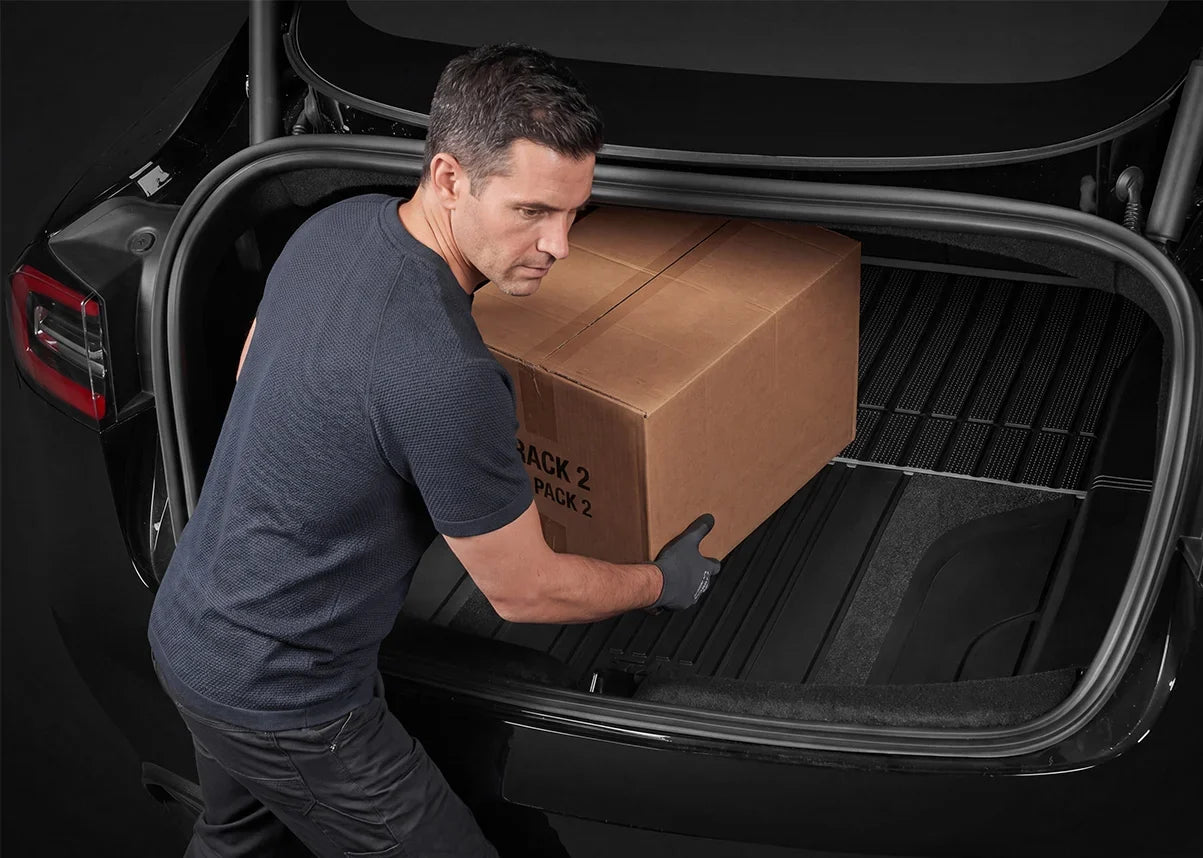
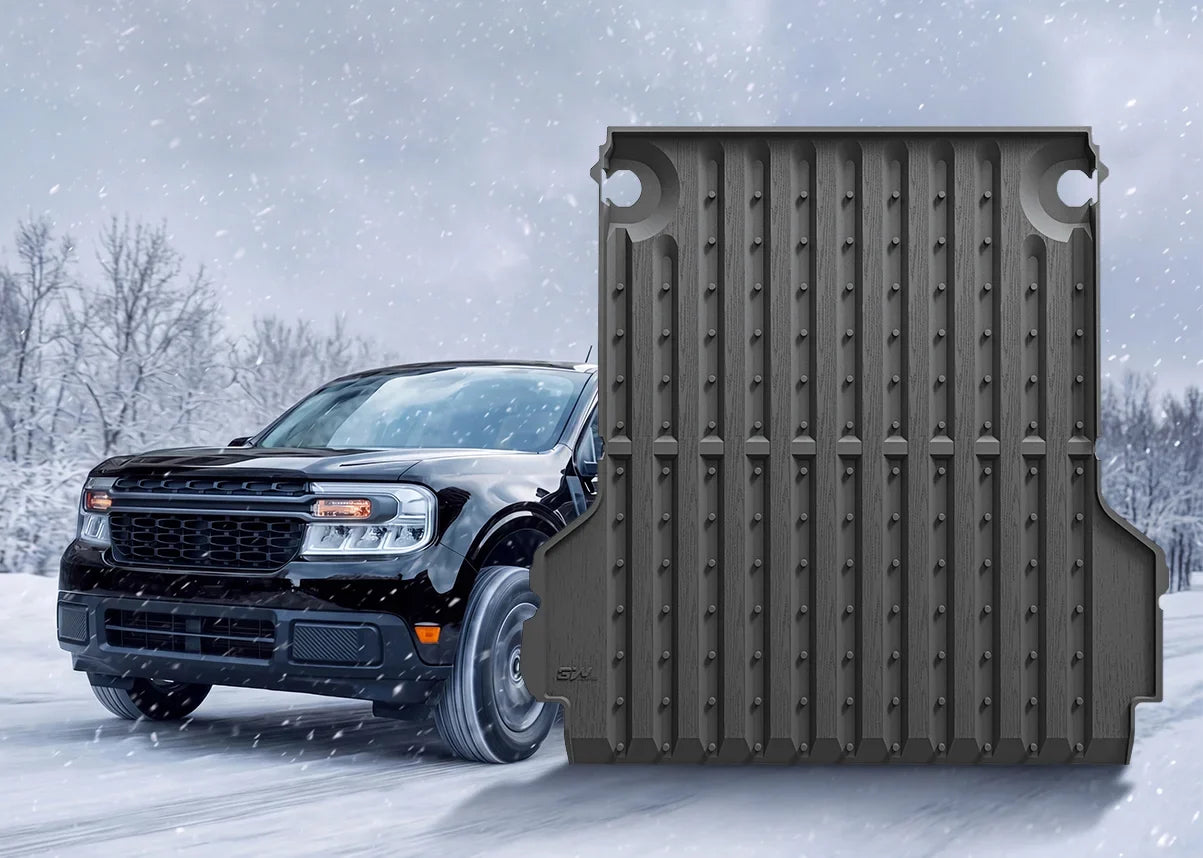
Choose a liner molded specifically to your vehicle, with raised edges and full wheel-well coverage. It effectively keeps mulch bags, paint cans, and lumber contained to the mat surface.
It also prevents sliding into gaps, unlike a flat, universal liner. That edge-to-edge coverage also keeps spills from finding their way past or beneath the mat and onto the factory carpet underneath. [10]


Does a DIY Cargo Liner Work for Groceries and Camping Too?
The short answer: yes. A liner tough enough for mulch and lumber handles lighter-duty use with ease. That's why it's a practical everyday investment, not a project-weekend-only accessory.
Groceries and Everyday Errands
It could be bags of groceries, a leaking gallon of milk, or a cart full of loose items. You can address such hassles with the same raised-edge, wipe-clean surface that protects against a paint spill. [11]
Smart vehicle owners seek the best cargo liner for groceries from the start. And the same non-porous, edge-contained design works for light day-to-day use.
Camping Gear and Weekend Trips
Muddy tents, coolers, and hiking boots put similar demands on a cargo area. However, they don't include sharp lumber edges. The best cargo liner for camping gear comes down to the same features.
You shouldn't compromise with waterproof material, raised walls, and a surface that rinses clean at a hose or campground spigot. [8] Anything that requires a deep carpet clean adds extra time and maintenance effort.
How Do You Choose and Care for a Cargo Liner for Frequent DIY Use?
Choosing the Right Liner
- Confirm your exact vehicle, year, and trim, since cargo floor shape varies even within the same model generation.
- Prioritize a non-porous, waterproof material over carpet if you regularly haul mulch, soil, or paint.
- Look for raised edges and full wheel-well coverage rather than a flat, universal sheet.
- Consider puncture resistance specifically if lumber or building materials are a regular part of your hauling.
Cleaning and Maintenance Routine
- Shake out loose debris like sawdust or dried soil before it works into corners.
- Rinse with a hose for routine mulch, soil, or mud.
- Wipe fresh spills immediately, following the product label's cleanup guidance for paints and solvents.
- Let the liner fully air-dry before reinstalling so trapped moisture doesn't reach the carpet underneath.
Build the routine into the project rather than treating it as an afterthought. A five-minute rinse after a hardware-store run takes less time than treating set-in stains or lingering odor. [12] [13]
Which Setup Fits Your Typical DIY Project?
Factor the scale of your typical project into your liner choice. An occasional light haul and a regular renovation schedule put very different demands.
Weekend Landscaping Projects
Mulch, soil, and small plants are the most common weekend haul. Moisture, not punctures, remains the biggest risk. A fully waterproof liner with raised edges contains dirt and damp bags to the mat surface. Also, a garden-hose rinse afterward clears everything out in a few minutes. [1] [3]
Renovation and Remodeling Runs
Regular hardware-store trips for lumber, drywall, and paint mean repeated cycles of sharp edges and potential spills. That's where puncture resistance and non-porous material matter most. A single unprotected trip can leave a stain or a gouge that outlasts the project itself. [10] [11]
Occasional Big-Box Store Runs
Some vehicle owners make only a few home-improvement trips a year. They still benefit from a liner because factory carpet offers little real protection. The right liner means the vehicle's ready whenever a project comes up, without a cargo-protection plan. [9] [12]
Conclusion
Mulch, paint, and lumber equally stress a cargo area in different ways. A factory carpet floor can't handle any of those well. Check your vehicle's payload placard before a heavy soil run. Don't miss overhanging lumber per federal and state law. And clean paint spills according to the label guide.
The liner is what determines whether those hauls leave lasting damage or wipe away in minutes. A non-porous, puncture-resistant cargo liner for home improvement DIY hauls can handle the mess effectively. Explore 3W's cargo liner and trunk mat lineup to find the best custom-fit option. [14]
Frequently Asked Questions (FAQs)
Will a cargo liner protect against paint spills?
A non-porous liner like TPE will. Liquid paint beads on the surface instead of soaking in. So, you can wipe up a spill without staining the factory carpet. Carpeted liners don't offer this protection.
How much weight can I put in my cargo area for mulch or soil?
Check your vehicle's tire and loading information placard. It's usually placed on the driver's door jamb and shows the maximum combined occupant and cargo weight. The NHTSA-required label gives you the actual number.
Do I need a flag for lumber sticking out of my trunk or truck bed?
The load may extend more than four feet past the rear. Federal regulation requires a red or orange warning flag. Most states apply a similar rule to personal vehicles. An eight-foot board loaded into a cargo area often crosses that threshold.
Can a cargo liner handle sharp lumber edges without puncturing?
A dense TPE liner offers significantly better puncture resistance than carpet or thin universal mats. However, handle very rough or heavy lumber carefully, regardless of liner material.
Is TPE or carpet better for hauling home improvement materials?
TPE is the better choice for mixed DIY loads. It resists moisture from mulch and soil without absorbing a paint spill. It also holds up to physical wear from lumber far better than carpet.
References
[1] Virginia Tech: "Mulching: Purpose, Benefits, and Essential Information" – https://www.pubs.ext.vt.edu/SPES/spes-661/spes-661.html
[2] Lotus Containers: "A complete guide to shipping container floors" – https://www.lotus-containers.com/en/a-complete-guide-to-shipping-container-floors/
[3] ConexWest: "Reason Behind Wooden Floor Shipping Containers" – https://www.conexwest.com/blog/reason-behind-wooden-floors-shipping-containers
[4] US Environmental Protection Agency: "Household Hazardous Waste" – https://www.epa.gov/hw/household-hazardous-waste-hhw
[5] National Highway Traffic Safety Administration (NHTSA): "NHTSA Interpretation File Search" – https://www.nhtsa.gov/interpretations/gf008935
[6] e-CFR: "Warning Flags on Projecting Loads" – https://www.ecfr.gov/current/title-49/subtitle-B/chapter-III/subchapter-B/part-393/subpart-G/section-393.87
[7] Santa Fe County: "Project Manual" - https://www.santafecountynm.gov/documents/solicitations/IFB_2017-0226-PW-KE_Project_Manual.pdf
[8] 3Wliners: "What is TPE Material in Floor Mats" - https://3wliners.com/blogs/car-mats/what-is-tpe-material-in-floor-mats
[9] 3Wliners: "Rubber vs Carpet vs TPE Car Mats" – https://3wliners.com/blogs/car-mats/carpet-vs-rubber-car-mats
[10] 3Wliners: "Best Car Mats for Summer" – https://3wliners.com/blogs/car-mats/best-car-mats-for-summer
[11] 3Wliners: "Best Cargo Liners for SUVs and Crossovers" – https://3wliners.com/blogs/car-mats/best-cargo-liners-for-suvs-crossovers-from-groceries-to-camping-gear
[12] 3Wliners: "How to Clean All-Weather Car Mats" – https://3wliners.com/blogs/car-mats/how-to-clean-all-weather-car-mats
[13] 3Wliners: "How to Clean Rubber Floor Mats in Car" – https://3wliners.com/blogs/car-mats/how-to-clean-rubber-floor-mats-in-car
[14] 3Wliners: “3Wliners Homepage” – https://3wliners.com/

Leave a comment
All comments are moderated before being published.
This site is protected by hCaptcha and the hCaptcha Privacy Policy and Terms of Service apply.