Winter Driving Tips for Truck Drivers: Stay Safe on the Road
Winter can be tough for anyone driving a pickup truck. You will have to face icy roads, heavy snow and cold temperatures that can strain your truck. Even if you are familiar with winter driving, getting your truck ready and changing your driving habits are still important
This guide shares practical Winter Driving Tips for Truck Drivers, helping pickup owners stay safe, maintain control, and drive with confidence throughout the winter season.
The Unique Challenges of Winter Driving for Pickup Owners
Understanding the specific challenges you may face means you can be ready from the moment you turn the key.
Reduced Visibility Due to Weather
Snow, sleet and fog can quickly lower how well you can see. Blowing snow may bring "whiteout" conditions and make the road hard to spot. Keep your headlights on, drive slower and stay alert for other cars and obstacles.
Loss of Traction on Icy Roads
When ice or slush cover the road, you need to be more careful. Pickups, especially those with rear-wheel drive and empty beds, can slide more easily than heavier vehicles. Black ice is especially dangerous since it often looks like water, but is actually very slippery. Drive slowly, avoid sudden moves and make sure your tires are properly filled with air.
Risk of Rear-Wheel Skidding
Because pickups can be light in the back, they might skid or fishtail if the road is slick. Putting some weight over your rear wheels may help, but most important is to drive slowly and gently to keep your vehicle steady.
Actions of Other Drivers
Some people on the road will not slow down or adjust for snow and ice. Give yourself extra space behind other vehicles so you have more time to respond to sudden stops or mistakes.
Winter Wear and Tear on Your Pickup
Cold weather can be hard on your truck. Your battery may get weak, your tires lose air and thick oil may strain your engine. Salt and chemicals used to melt snow can also cause rust if left on your truck for too long.
Pre-Trip Preparation: Your Foundation for Safety
A prepared pickup will handle winter roads much better. Checking your truck before you go can make a real difference.
Inspect Your Tires
Tires should always have enough tread to grip ice and snow. If you drive in areas with harsh winters, think about switching to winter tires. Good tires are one of the best ways to stay safe.
Test Your Battery
Batteries don't hold their charge as well in the cold. Check yours for strength, make sure the connections are clean and replace it if it is old or weak.
Check All Fluid Levels
Winter puts extra stress on your truck. Check your oil, antifreeze and windshield washer fluid. Use washer fluid that is made for cold weather so it doesn't freeze.
Prep Your Wipers and Defroster
Good wipers and a working defroster will help you keep your windshield clear. Change old blades and check that the defroster warms the glass quickly.
OnRoad Winter Driving Tips for Pickup Owners
Your safety on winter roads depends a lot on how you drive after you set out.
Slow Down and Drive Smoothly
Driving slower is safer on icy roads. Try not to move the wheel or press the brakes or gas pedal quickly. Gentle actions will help keep your pickup steady, especially if the bed is empty.
Increase Your Following Distance
It is harder to stop on slippery roads. Leave more space than usual between you and the vehicle ahead so you have plenty of room to stop.
Brake Gently
If you brake hard, you could skid. Press the brakes gently and slow down in advance of stops. If your truck begins to skid, take your foot off the brake and gently steer where you want to go.
Handle Rear-Wheel Skidding
If the back of your pickup slides, steer in the direction of the skid and gently let off the gas until you get control back. Try not to turn the wheel too much, as this can make the skid worse.
Watch for Black Ice
Watch for places on the road that look shiny, especially under trees and on bridges. These spots freeze first and can be much more slippery than they appear.
How to Handle Common Winter Emergencies
Being ready for problems helps you stay safer and less stressed during winter driving.
Getting Unstuck from Snow
If your pickup gets stuck, avoid spinning the tires which can dig you in. Gently rock the truck back and forth in drive and reverse. Spreading sand, cat litter or special mats under your tires can help you get going again.
Dealing with Whiteout Conditions
When you can't see because of blowing snow, slow down and look for a safe spot to pull over. Turn your emergency flashers on so other drivers can see you and wait until you can see better before returning to the road.
Managing Engine Trouble or Breakdowns
If your truck breaks down, stay inside unless you must leave for safety. Run the engine only enough to stay warm, keep a window slightly open and check the tailpipe so snow doesn't block it.
Emergency
What to Do
What to Avoid
Rear-Wheel Skid
Steer gently into skid, ease off gas
Overcorrecting or slamming brakes
Stuck in Snow
Rock truck gently, use sand or mats for traction
Spinning tires quickly
Whiteout
Pull off road safely, turn on hazards
Stopping in travel lane
Engine Breakdown
Stay in cab, run heat sparingly, check tailpipe
Leaving vehicle in a storm
Keeping Your Pickup Clean and Comfortable
Winter messes can get inside your truck and make driving less comfortable.
Use Floor Liners to Trap Moisture
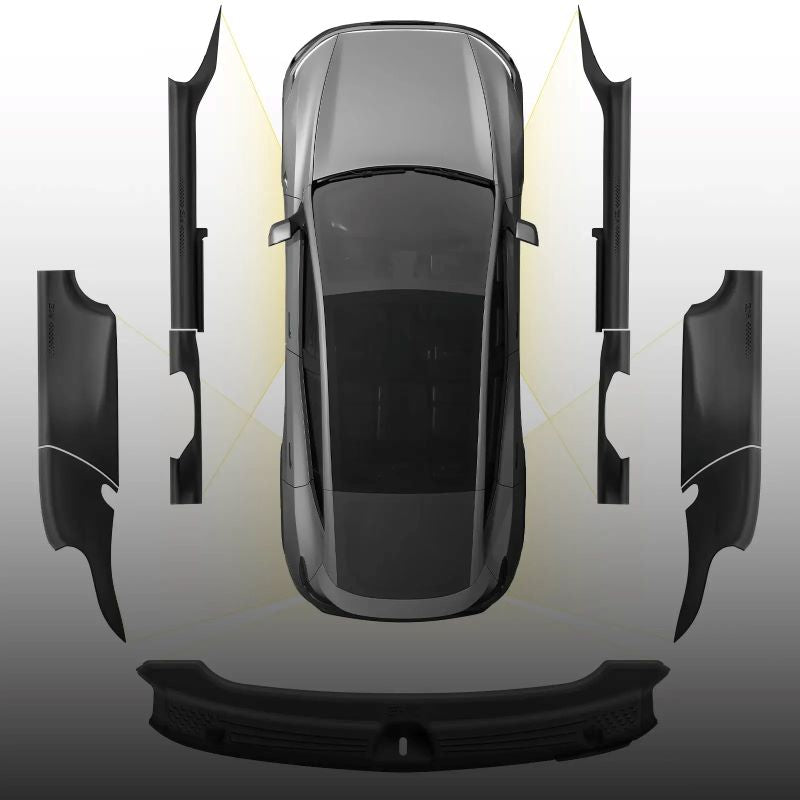
Melting snow and road salt from your boots can quickly soak your truck's floor. Using all-weather truck floor mats protects the interior of your pickup and keeps it clean.
Keep Loose Items Secure
If you have to stop quickly, things inside your cab can fly around. Secure bags, phones, tools and anything else so nothing becomes a hazard while driving.
Keep Your Windows Clear
Foggy windows make it hard to see. Wipe them regularly to keep your view clear, especially during cold or damp weather.
Post-Trip Pickup Maintenance
A little extra care when you finish your trip will protect your truck all winter.
Rinse Off Road Salt
Road salt leads to rust if it stays on your truck. Spray off the body and undercarriage regularly, especially after driving through slush or puddles.
Check for Ice Build-Up
Check around your truck's wheels, brakes and wipers for ice. Built-up ice can damage parts or cause them to work poorly if you do not remove it.
Look Over Your Truck for Any Issues
After you drive in rough weather, pay attention to new sounds, warning lights or slow starts. Fixing small issues early will save you trouble later.
Building Your Winter Safety Kit: What to Carry
It can be a lot easier to get through tough spots in the winter if you have the right things in your truck.
Food and Water
Keep snacks like energy bars, nuts, and beef jerky that won't freeze solid, as well as bottles of water.
Warm Clothes and Blankets
Pack a warm coat, gloves, a warm hat and a thick blanket or sleeping bag in case you need to wait in your truck.
Tools and Traction Aids
If you get stuck, a small snow shovel, a flashlight with extra batteries, sand or cat litter, jumper cables, and an ice scraper can all help.
Extra Washer Fluid
Keep an extra bottle of washer fluid on hand to clean off dirt or road salt from your windows.
Conclusion
You need to be patient and take your time getting ready if you want to drive your pickup truck in the winter. Following these safety tips will help keep you, your passengers, and other people on the road safe. Drive more slowly, leave more room, keep your truck in good shape, and pack what you need for emergencies. Using weatherproof floor liners from 3W Liners is a simple way to keep your truck safe during the winter.
FAQs
What are the best winter driving tips for pickup trucks?
If you can, use winter tires and always keep emergency gear with you. Drive slowly and give yourself extra space.
How can I protect my pickup's interior in the winter?
Use winter car mats to catch snow and salt, clean up spills quickly, and keep the cab dry.
Are there driving techniques that help pickups on snow and ice?
Yes, be careful when steering and braking, watch out for skids, add some weight to the bed, and don't make any sudden moves.