




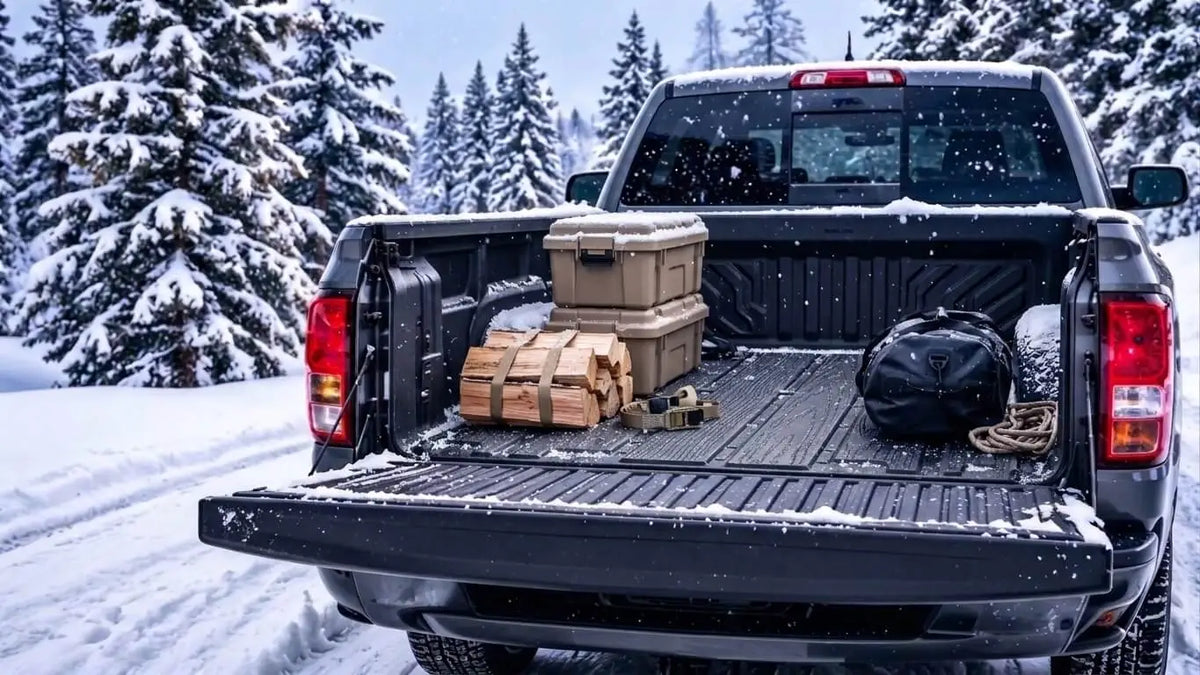
The best winter protection for a pickup truck bed starts with controlling moisture, removing road salt, and reducing direct contact between the bed surface and heavy or abrasive cargo. A properly fitted truck bed mat adds a removable protective layer that helps minimize everyday scratches, scuffs, and cargo-related wear.
For pickup owners who regularly transport snow-covered equipment, tools, outdoor gear, or work materials, a custom-fit TPE truck bed mat can make winter maintenance easier. However, a mat is not a substitute for cleaning the bed or inspecting it for trapped moisture. Water and salt residue can still accumulate underneath a protective layer.
When choosing a truck bed mat for winter, focus on five practical considerations:
- Material: Look for a durable, weather-suitable material with clearly stated manufacturer specifications.
- Coverage: Choose a mat designed around your truck's actual bed dimensions and contours.
- Cargo stability: Consider surface texture and whether the design supports additional cargo stabilizers.
- Cleaning: A removable mat makes it easier to clean both the mat and the factory bed.
- Compatibility: Confirm that the mat works with your bedliner, tie-down points, and other accessories.
3W's truck bed mats use Thorex™ TPE and are designed around specific pickup applications. The brand describes its products as 3D-scanned for a closer fit and lists all-weather protection against mud, spills, scratches, and dents. These features make the collection worth considering for owners who want removable, model-specific bed protection [2].
Why Winter Creates Different Risks for Your Truck Bed
Winter truck bed protection is not just about keeping snow out. The more important issue is what happens when moisture, road salt, dirt, and cargo repeatedly come into contact with the bed surface.
Road Salt and Moisture Can Increase Corrosion Risk
Road salt is widely used to manage icy roads, but the residue it leaves behind can be harmful to exposed metal surfaces. The California Department of Transportation identifies the potential corrosive effects of sodium chloride on metal as one reason its maintenance guidance recommends using only the amount needed for effective snow and ice control [1].
For pickup owners, this matters because winter cargo can bring road contaminants directly into the truck bed. Snow-covered shovels, wet recovery equipment, muddy tools, and containers transported from treated roads may leave behind moisture and salt residue.
A truck bed mat helps separate cargo from the original bed surface, but it cannot make the underlying metal immune to corrosion. If moisture or salt collects underneath the mat, the bed still needs attention.
Practical takeaway: A bed mat should be treated as a protective layer, not a replacement for washing, drying, and inspecting the truck bed.
Snowmelt Can Leave Moisture in Hidden Areas
Snow inside a pickup bed often melts when temperatures rise. The resulting water may collect around cargo, bed contours, and areas that are difficult to reach while equipment remains loaded.
This creates two practical problems. First, wet cargo can leave the bed dirty and difficult to clean. Second, moisture may remain underneath a mat if the surface is not inspected regularly.
A removable mat makes it easier to access the factory bed for cleaning. Owners should lift it periodically, remove accumulated debris, and allow both surfaces to dry before reinstalling it.
Freeze-Thaw Conditions Make Cargo Management More Difficult
Repeated freezing and thawing can turn snow and meltwater into a mixture of wet debris and ice. This may make it harder to load, unload, and secure equipment.
A textured truck bed mat can provide an additional contact surface for cargo, but traction depends on the material, surface pattern, cargo weight, and weather conditions. A wet or icy mat should never be treated as a substitute for properly securing heavy loads.
Winter Cargo Can Scratch and Wear the Bed Surface
Snow shovels, metal toolboxes, recovery boards, generators, and construction materials can all create friction against the bed when they are loaded, unloaded, or moved around.
A bed mat adds a cushioning layer between cargo and the original bed surface. This can help reduce direct contact and everyday scuffs, particularly for owners who regularly carry hard-edged equipment.
The level of protection depends on the mat's coverage, material, and fit. A mat that leaves large areas exposed cannot protect those uncovered sections.
What Makes a Truck Bed Mat Suitable for Winter?
A winter-ready truck bed mat should do more than cover the floor of a pickup bed. Its material, fit, surface design, and maintenance requirements all affect how useful it will be throughout the season.
TPE Material: Flexibility and Practical Cleaning
Thermoplastic elastomer (TPE) combines rubber-like flexibility with the processing characteristics of thermoplastic materials. It is used in automotive protection products where a balance of flexibility, durability, and convenient cleaning is desirable.
3W identifies Thorex™ as the TPE material used in its truck bed mats. Its official product information describes the material as non-toxic, resistant to wear, and designed to remain resilient in different temperature conditions [2].
For winter use, this material choice is relevant because pickup owners often need to clean away mud, water, and other debris after transporting outdoor or work equipment. A washable TPE surface can simplify that routine compared with materials that absorb liquids or require more involved cleaning.
3W also publishes a temperature tolerance of -13°F to 175°F for its Thorex™ TPE truck bed mat lineup in its product-related guidance. This is a manufacturer-published specification rather than an independent comparative laboratory test, so buyers in particularly extreme climates should check the specifications for their exact product before purchasing [3].
Custom Fit: Coverage Matters More Than Appearance
A truck bed mat should follow the shape of the bed rather than simply cover a rectangular area.
Pickup beds vary by model, model year, bed length, and configuration. Wheel-well contours and other design features can also affect how much of the floor a mat covers.
3W states that its truck bed mats use 3D scanning to follow the specific contours of compatible truck beds, including the wheel-well areas, without requiring trimming for the listed applications [2].
This matters during winter because a closer fit can reduce exposed areas where cargo may come into direct contact with the original bed surface. It also helps owners avoid choosing a universal mat that is too short or shaped incorrectly.
Textured Surfaces and Cargo Stabilizers
Cargo stability is another consideration for winter driving. Tools, storage containers, and outdoor equipment may shift when a vehicle accelerates, brakes, or travels over uneven roads.
A textured mat can provide additional friction between the cargo and the bed. However, surface texture alone is not enough to secure heavy items.
For selected truck bed mat models, 3W lists patented cargo stabilizers that lock into the mat to help secure items such as tools, groceries, and coolers [2]. These accessories may be useful for owners who frequently transport smaller items that need additional positioning support.
Heavy equipment should still be secured using suitable straps, tie-down points, or other approved restraints.
Removable Construction Makes Maintenance Easier
A winter bed mat should not make cleaning the truck bed more difficult.
3W describes its TPE truck bed mats as removable and washable, allowing owners to hose them down in the truck bed or slide them out for cleaning [2].
This is particularly useful after carrying muddy tools, wet outdoor equipment, or cargo that has been exposed to road salt. The mat can be cleaned separately, while the original bed surface can be inspected for moisture and debris.
Which Winter Cargo Benefits Most from a Truck Bed Mat?
The right bed mat depends on what you carry. A contractor's work truck has different protection needs from a pickup used for skiing, camping, or everyday transportation.
Contractors: Tools, Hardware, and Job-Site Equipment
Contractors often transport power tools, toolboxes, metal components, and construction materials. These items may be heavy, abrasive, or covered in dirt and moisture after a day on a job site.
A fitted truck bed mat provides a layer between the cargo and the original bed surface. It can help reduce scratches caused by repeated loading and unloading while making it easier to clean up dirt and residue.
For work trucks, prioritize:
- A model-specific fit with suitable bed coverage
- A durable surface for frequent cargo handling
- Compatibility with existing toolboxes and storage systems
- Convenient removal for cleaning
- Additional cargo restraints for heavy equipment
Outdoor Enthusiasts: Skis, Snowboards, and Camping Equipment
Winter sports and outdoor activities often bring wet equipment back into the truck.
Skis, snowboards, boots, recovery gear, and camping equipment may carry snow, mud, and water after use. A removable TPE bed mat offers a surface that can be rinsed or wiped down after the trip.
However, wet equipment should not be left on the mat indefinitely. Remove it when possible, clean away accumulated debris, and inspect the surface underneath.
Farmers and Rural Drivers: Mud, Salt, and Heavy Materials
Pickups used on farms and rural roads may carry fencing materials, tools, feed containers, and other equipment throughout the winter.
These loads can bring a mixture of mud, water, sand, and road contaminants into the bed. A removable mat makes it easier to separate this debris from the original surface during routine cleaning.
Owners who regularly transport heavy materials should also consider whether the mat's fit and construction are appropriate for their typical loads.
Daily Drivers: Occasional Cargo and Seasonal Protection
Some pickup owners use their trucks mainly for commuting but occasionally carry home improvement supplies, sports equipment, groceries, or outdoor gear.
Even occasional cargo can leave scratches, dirt, and moisture behind. A fitted bed mat provides a convenient protective layer without requiring a full bedliner replacement.
For these drivers, easy cleaning and correct fitment may matter more than features designed for heavy commercial use.
Truck Bed Mat vs. Spray-In Bedliner vs. Drop-In Bedliner: What Should You Choose?
A truck bed mat, spray-in bedliner, and drop-in bedliner all provide different types of protection. The best choice depends on how much of the bed you want to cover, whether you need a removable product, and how frequently you clean the truck.
| Feature | Truck Bed Mat | Spray-In Bedliner | Drop-In Bedliner |
| Coverage | Usually covers the bed floor | Covers the areas included in the coating application | Depends on the liner's design |
| Installation | Generally removable and straightforward | Applied as a coating | Installed as a fitted insert |
| Cleaning | Can be removed and washed separately | Cleaned in place | Some designs can be removed |
| Surface protection | Helps reduce direct cargo contact with the bed floor | Adds a protective coating to treated surfaces | Adds a protective layer between cargo and the bed |
| Fitment | Depends on model and bed configuration | Depends on application and coverage | Depends on the specific insert |
| Winter maintenance | Lift, clean, and inspect underneath | Inspect the coating for damage | Check for debris or moisture underneath |
When a Truck Bed Mat Is the Better Fit
A truck bed mat is a practical option for owners who want a removable layer of protection without committing to a full bedliner installation.
It is particularly useful when the main concern is protecting the bed floor from scratches, dirt, and cargo-related wear.
A model-specific mat may also be easier to remove for cleaning than a permanent coating.
When a Spray-In Bedliner Makes More Sense
A spray-in bedliner is designed to create a coating over the surfaces included in the application. It may suit owners who want a more permanent protective finish.
However, the condition of the coating still matters. Scratches, chips, or damaged areas should be inspected and maintained according to the coating manufacturer's instructions.
When to Consider a Drop-In Bedliner
A drop-in bedliner can provide broader coverage depending on its design. It may be suitable for owners who want a fitted insert covering more than just the bed floor.
One maintenance consideration is the space between the liner and the original bed. Dirt and moisture may collect in this area, so periodic inspection and cleaning are important.
Can You Combine a Bed Mat with an Existing Bedliner?
Sometimes, but compatibility depends on the specific mat, bedliner, and truck configuration.
For example, 3W lists certain products with specific bedliner compatibility notes. Its Ford Maverick gas and hybrid bed mat listing is identified as fitting drop-in bedliners only, while its Nissan Frontier listing specifies that it does not fit a drop-in bedliner [2].
These differences show why buyers should check the exact product notes rather than assuming that every mat works with every liner.
How to Choose the Correct 3W Truck Bed Mat for Your Pickup
Correct fitment is one of the most important parts of choosing a truck bed mat. Even a durable material cannot provide the intended coverage if the mat is designed for a different bed configuration.
Match the Make, Model, and Model Year
Start with the exact pickup make, model, and model year.
Do not assume that two model years share identical bed dimensions simply because the truck has the same name. Mid-cycle redesigns, powertrain variations, and trim-specific configurations may affect compatibility.
Confirm the Bed Length and Cab Configuration
Full-size and midsize pickups may be available with different bed lengths.
For example, 3W lists separate applications for the Ford F-150, Ford Super Duty, Toyota Tacoma, Toyota Tundra, and other pickup models. The collection also specifies configurations such as the Tacoma Double Cab and Tundra CrewMax, alongside their corresponding bed lengths [2].
These fitment details are more useful than choosing a mat based on the truck's model name alone.
Check Bedliner and Accessory Compatibility
Before ordering, check whether the mat is compatible with:
- Factory or aftermarket drop-in bedliners
- Spray-in bedliner surfaces
- Bed rails and cargo management systems
- Tie-down points
- Toolboxes and storage systems
- Bed extenders and other installed accessories
If your truck has a non-standard configuration, contact the manufacturer before purchasing.
Explore Available Model-Specific Options
3W's Truck Bed Mats Collection provides a model-selection starting point for owners of Ford, Ram, Chevrolet, GMC, Toyota, Jeep, Tesla, and other compatible pickups [2].
Rather than choosing by appearance, use the vehicle selector and verify the product's fitment notes before adding it to your cart.
How to Maintain a Truck Bed Mat During Winter
A truck bed mat can make winter cleanup more convenient, but regular maintenance is still necessary. The goal is to remove contaminants before they accumulate and to prevent moisture from remaining trapped underneath the mat.
Step 1: Remove Snow and Loose Debris
After transporting winter equipment, remove loose snow, mud, sand, and other debris from the truck bed.
Pay particular attention to areas around the mat's edges and any cargo that has been left in the bed for an extended period.
Step 2: Lift the Mat and Inspect the Original Bed
Periodically remove the mat to inspect the surface underneath.
Look for:
- Standing water or damp areas
- Salt residue
- Sand and loose dirt
- Scratches or damaged bed coatings
- Early signs of corrosion
This step is important because a removable mat can make the bed easier to clean, but it can also conceal debris or moisture if owners never lift it.
Step 3: Clean the Mat and Truck Bed Separately
Rinse or wipe down the mat according to the manufacturer's care instructions.
Clean the underlying bed surface as well, especially after driving on roads treated with deicing materials. The California Department of Transportation's snow and ice control guidance recognizes the potential corrosive effects of road salt on metal, which supports making salt removal part of winter vehicle maintenance [1].
Avoid harsh cleaning products unless they are approved for the mat material and the truck's existing bed coating.
Step 4: Allow Both Surfaces to Dry
Before reinstalling the mat, allow the truck bed and the underside of the mat to dry.
Reinstalling a mat over a wet surface may leave moisture trapped underneath. Drying both surfaces is therefore an important part of routine winter care.
Step 5: Reinstall and Check the Fit
Return the mat to its intended position and check that it lies flat.
Make sure it does not obstruct tie-down points or interfere with other bed accessories. If the mat has cargo stabilizers, confirm that they are positioned and used according to the product instructions.
For additional seasonal vehicle-care ideas, 3W's related guide, Best Car Floor Mats for Winter, discusses how winter moisture, mud, and debris affect the vehicle cabin. Although cabin floor mats serve a different purpose from truck bed mats, the same basic cleaning principle applies: remove accumulated contaminants rather than allowing them to remain on protective surfaces [4].
What Does a Truck Bed Mat Add to Long-Term Pickup Protection?
A truck bed mat is not a complete rust-prevention system or a substitute for a full bedliner. Its value is more specific: it adds a removable layer between cargo and the bed floor, helps reduce direct contact, and makes certain cleaning tasks easier.
For owners who use their pickups throughout the winter, these practical benefits can support a more consistent maintenance routine.
Reduce Everyday Surface Wear
Repeated loading and unloading can leave scratches and scuffs on the bed floor. A fitted mat provides a barrier between the cargo and the original surface, helping reduce direct abrasion during normal use.
Make Seasonal Cleanup More Convenient
A removable TPE mat can be lifted out and washed separately. This makes it easier to clean the bed after carrying wet equipment, muddy tools, or salt-covered cargo.
Support a More Organized Cargo Setup
Selected 3W models include cargo stabilizers designed to lock into the mat. For owners carrying smaller items, these can provide additional positioning support, although heavy cargo still requires suitable restraints [2].
Understand What Third-Party Reviews Actually Prove
Independent media coverage can provide useful context about a brand's broader product range, but the reviewed product category matters.
For example, AllOutdoor published a review of 3W's Toyota Tacoma floor mats, providing an external perspective on a different type of vehicle protection product [5]. Pro Tool Reviews also published a hands-on review of 3W floor mats, discussing their fit, material, and cleaning experience in a passenger-car application [6].
Neither review should be interpreted as a direct test of 3W truck bed mats. For truck bed mat specifications, fitment, material, and compatibility, the relevant 3W product information remains the more appropriate source.
FAQs About Truck Bed Mats for Winter
Are truck bed mats worth it in winter?
Yes, particularly for pickup owners who regularly transport wet equipment, tools, outdoor gear, or cargo that may scratch the bed surface. A properly fitted mat adds a removable protective layer and can make cleaning more convenient.
Do truck bed mats prevent rust?
No. A truck bed mat should not be treated as a guaranteed rust-prevention solution. Moisture and road salt can collect underneath it. Regularly lifting the mat, cleaning the bed, and allowing both surfaces to dry are important maintenance steps.
Can road salt damage a truck bed?
Road salt can contribute to metal corrosion, particularly when residue remains on a surface. The California Department of Transportation identifies the corrosive effects of sodium chloride on metal in its snow and ice control guidance [1]. Removing salt residue and inspecting the truck bed are sensible winter maintenance practices.
Are TPE truck bed mats suitable for cold weather?
TPE is used in automotive protection products for its flexibility and durability. 3W identifies Thorex™ TPE as the material used in its truck bed mats and publishes a temperature tolerance of -4°F to 167°F in its product-related guidance [3]. Buyers should check the specifications for their exact product and consider the conditions in which the truck will be used.
Do truck bed mats stop cargo from sliding?
A textured mat may provide additional friction between cargo and the bed. However, grip depends on the surface, cargo weight, and road conditions. Heavy items should always be secured with appropriate restraints.
Can I use a 3W truck bed mat with a drop-in bedliner?
Compatibility depends on the specific pickup and product. Some 3W listings include drop-in bedliner restrictions, so check the product page before purchasing [2].
How often should I remove my truck bed mat in winter?
There is no universal cleaning schedule. Inspect it more frequently after transporting wet, muddy, or salt-covered cargo, and whenever you notice moisture or debris around the mat. Regular inspection helps prevent dirt and water from remaining unnoticed underneath.
How do I choose the right truck bed mat for my pickup?
Confirm the make, model, model year, bed length, cab configuration, and existing bedliner type. Then compare material, coverage, surface design, cleaning requirements, and compatibility with your accessories. A model-specific product is a better starting point than assuming a universal mat will fit.
References
[1] California Department of Transportation (Caltrans) — Maintenance Manual, Chapter R: Snow/Ice Control. Discusses the potential corrosive effects of sodium chloride on metal and the use of deicing materials. https://dot.ca.gov/-/media/dot-media/programs/maintenance/documents/maintenance_manual_volume_1-combined_version_dec242024-final.pdf
[2] 3W — Custom Truck Bed Mats for Pickup Trucks. Official product collection covering Thorex™ TPE, 3D-scanned fitment, cargo stabilizers, cleaning, and model-specific compatibility. https://3wliners.com/collections/bed-mats-for-pickup-trucks
[3] 3W — Best Truck Bed Mats for Delivery Trucks and Small Businesses. Additional product information covering Thorex™ TPE, published temperature tolerance, and selected model fitment details. https://3wliners.com/blogs/car-mats/truck-bed-mats-for-small-business-and-delivery-trucks
[4] 3W — Best Car Floor Mats for Winter. Related seasonal vehicle-protection guide focused on cabin floor mats, moisture, and winter debris. https://3wliners.com/blogs/car-mats/best-car-floor-mats-for-winter
[5] AllOutdoor — AllOutdoor Review: 3W Tacoma Floor Mats. Independent coverage of 3W Tacoma cabin floor mats, not a truck bed mat test. https://www.alloutdoor.com/2025/06/20/alloutdoor-review-3w-tacoma-floor-mats/
[6] Pro Tool Reviews — Refresh Your Car's Interior with 3W Floor Mats. Hands-on coverage of 3W passenger-vehicle floor mats, including fit and cleaning observations; not a truck bed mat test. https://www.protoolreviews.com/refresh-your-cars-interior-with-3w-floor-mats/

Leave a comment
All comments are moderated before being published.
This site is protected by hCaptcha and the hCaptcha Privacy Policy and Terms of Service apply.