How To Get Gas Smell Out Of Car: Simple Tips for a Fresh Interior
You know how strong and bad the smell can be if you've ever spilled gas while filling up your car. The smell can quickly fill your car, make you feel sick, and bother anyone who is with you. The smell can last a long time if you don't clean it up right away. You want to get rid of it quickly so your car smells clean and feels good again.
You need to know where the smell comes from before you can get rid of it. There are a lot of reasons why your car might smell like gas.
Why The Scent Stays?
Your shoes sometimes pick up gas at the gas station and bring it inside. Maybe a gas can fell over in your trunk. Strong smells can also come from leaks in the fuel line or some engine parts. When you fill up, gas fumes can even get in through open windows.
The Chemistry of Gasoline Odor and Absorption
Hydrocarbons are strong chemicals that are found in gasoline. These chemicals evaporate quickly, but they leave behind oily marks. Your nose can smell these fumes even when they are very low levels. When the liquid touches a surface, it sticks to it. It's hard to get rid of this chemical bond with just water.
How Different Materials Trap Gasoline Molecules?
Different parts of your car soak up liquids in different ways. Gasoline quickly soaks into porous materials like fabric seats, foam padding, and carpet fibers. The liquid goes deep into the layers below the surface. Cleaning the surface often doesn't work because the fuel is hidden below where you scrub. It sits there and slowly lets out fumes.
Safety First: Immediate Steps When Gas Spills in Your Car
Your safety should always come first when you see a gas spill.
Ventilation and Vapor Dissipation
As soon as you smell gas, open all your doors and windows. You need fresh air to move through the cabin and push the fumes out. Park your car outside in a sunny spot if possible. Heat helps the gas evaporate faster. Do not sit inside the vehicle while the fumes remain strong. Breathing these vapors causes dizziness and nausea. Let the car air out for at least an hour before you start cleaning.
Protective Gear and Ignition Source Prevention
While you clean, be careful. Put on rubber gloves to keep gasoline from getting on your skin. It makes things dry and irritated when they touch it. You should also wear a mask to keep from breathing in strong fumes. Don't smoke or use lighters near the car. Don't start the car engine to stop sparks.
How to Get Gas Smell Out of Car Carpet: Deep Cleaning Methods
Cleaning your car carpets after a gasoline spill can feel like a big job because the smell and stains often stick to the fibers.
Blotting vs. Rubbing: Why Technique Matters
Your first instinct might be to scrub the spot hard. You must resist this urge completely. Rubbing pushes the gasoline deeper into the carpet fibers and spreads the stain. It makes the problem much worse. Instead, you should grab clean paper towels or old rags. Press down firmly on the wet spot to soak up the liquid. Repeat this action with fresh towels until they come up dry.
Absorption Methods: Baking Soda, Cornstarch and Kitty Litter
After you blot the excess liquid, you need to pull out the remaining moisture. Cover the affected area with a thick layer of baking soda, cornstarch or clay kitty litter. These powders act like sponges for oily substances. Leave the powder on the stain for at least four hours or overnight. It absorbs the gas and traps the odor. Carefully scoop up the powder and dispose of it safely. Do not use a vacuum to pick up the powder, because it has absorbed flammable gasoline and doing so could cause a fire or explosion.
Neutralizing Solutions: Vinegar and Dish Soap Applications
Home remedies often work best for neutralizing odors. Mix equal parts white vinegar and hot water in a spray bottle. Add a few drops of liquid dish soap to cut through the grease. Spray the solution generously on the carpet but do not soak it. Let it sit for 15 minutes to break down the gas molecules. Blot the area dry with clean towels.
Cleaning Agent
Best For
Application Time
Baking Soda
Absorbing moisture and mild odors
4-12 Hours
White Vinegar
Neutralizing chemical smells
15-20 Minutes
Dish Soap
Breaking down oily residue
10-15 Minutes
Kitty Litter
Large spills and pooling liquid
1-2 Hours
Coffee Grounds
Masking residual scents
Overnight
How to Get Gas Smell Out of Car Seats and Upholstery
When gas spills on your car seats, you will need a different plan than for your carpets.
Fabric Seat Cleaning Techniques
Seats have thick foam padding underneath the fabric cover. If gas soaks into the foam, it becomes very hard to remove. You should use an enzyme-based cleaner for upholstery. These cleaners use bacteria to eat the odor-causing particles. Spray the cleaner on the seat and let it work for the time listed on the bottle.
Ventilation and Drying Considerations
Drying matters just as much as cleaning. If you leave the seats wet, mold grows and creates a new smell. Park your car in the sun with windows down to speed up drying. You can also use absorbent towels or microfiber cloths to blot out excess moisture, and place a portable fan inside the car to blow air directly on the wet seat for faster drying.
How to Get Gas Smell Out of Car Trunk and Cargo Areas
Gas spills often happen in the trunk because you may carry fuel containers there.
Removing Spare Tire and Accessing Hidden Areas
Trunks have many layers and compartments. You need to empty the trunk completely. Take out the floor mat, the spare tire cover and the spare tire itself. Check the metal well underneath for puddles of gasoline. Liquid flows into cracks and crevices you cannot see. Wipe down the metal surfaces with a vinegar solution.
Cleaning Trunk Liners and Carpets
Most trunks have a removable carpet liner. Take this liner out of the car and clean it on your driveway. This stops the fumes from filling your cabin. Hose it down with water and scrub it with a mixture of carpet shampoo and water. Let it dry in the sun for a full day. The sun's UV rays help kill odors naturally.
How to Get Gas Smell Out of Rubber Car Mats and Floor Liners
Rubber mats keep your floor safe from spills, but sometimes the gasoline smell stays on them.
Removing Mats for Thorough Cleaning
You should never clean mats inside the car. Pull them out carefully to avoid spilling any liquid onto the carpet. Lay them flat on concrete or grass. Rinse them with a high-pressure hose to blast away loose dirt and gas residue. This prevents the chemicals from soaking into your driveway.
Deep Cleaning and Deodorizing Rubber Surfaces
Wash the mats with warm water and dish soap. Use a stiff brush to scrub the textured surface. Rinse them well and let them air dry. Sometimes standard rubber or low-quality plastic mats absorb smells because they have tiny pores. This makes the odor permanent. You can avoid this problem by switching to better materials. Floor Liners from 3W Liners use TPE (Thermoplastic Elastomer) material. TPE has a non-porous surface that stops liquids from soaking in.
Mat Material
Porosity Level
Cleaning Difficulty
Odor Resistance
Carpet
High
Difficult
Low
Standard Rubber
Medium
Moderate
Medium
Cheap Plastic
Medium
Moderate
Low
3W TPE Liner
None (Non-porous)
Easy (Wipe & Go)
High
How to Get Gas Smell Out of Car Interior: Common Mistakes
If you use the wrong method to clean up gas spills, you might make the odor worse or even create safety problems.
Don't Use Water
Do not pour plain water on a gas spill. You can't mix oil and water. The water holds the gas up and spreads it out over a larger area. It pushes the fuel deeper into the padding of the carpet. You make a bigger mess and a stronger smell. Use only absorbent powders and cleaners that are made for the job.
Don't Rinse Spilled Gas Down the Drain
When you wash mats, you need to be careful with the water that runs off. Don't let water with gas in it flow into storm drains. It is against the law in many places and bad for the environment. Clean your mats on a patch of dirt or grass where the bacteria in the soil break down the fuel on their own.
Don't Use a Vacuum
Do not use a regular vacuum or a wet-dry vacuum on fresh gasoline or on powders that have absorbed gasoline. The fumes are highly flammable and can ignite from sparks in the motor, creating a serious fire hazard. Instead, carefully scoop up the powder or blot liquids with towels, and dispose of them safely.
Don't Mix With Household Trash
Do not Mix rags or paper towels that have been soaked in gas with your household trash. The fumes build up and make your home more likely to catch fire. Put them in a sealed metal container or leave them outside to dry all the way before throwing them away.
Preventing Future Gasoline Odors in Your Vehicle
Once you've gotten rid of the gas smell in your car, you should work on things that will keep it from happening again. You can save time and keep your car looking new by following these simple tips.
Don't Top Off The Tank
When the pump clicks off, stop filling your tank. When you add more gas, the tank overflows into the vapor canister. This breaks your emissions system and makes the gas smell inside the car.
Use Spill-Proof Gas Cans And Store Them Smart
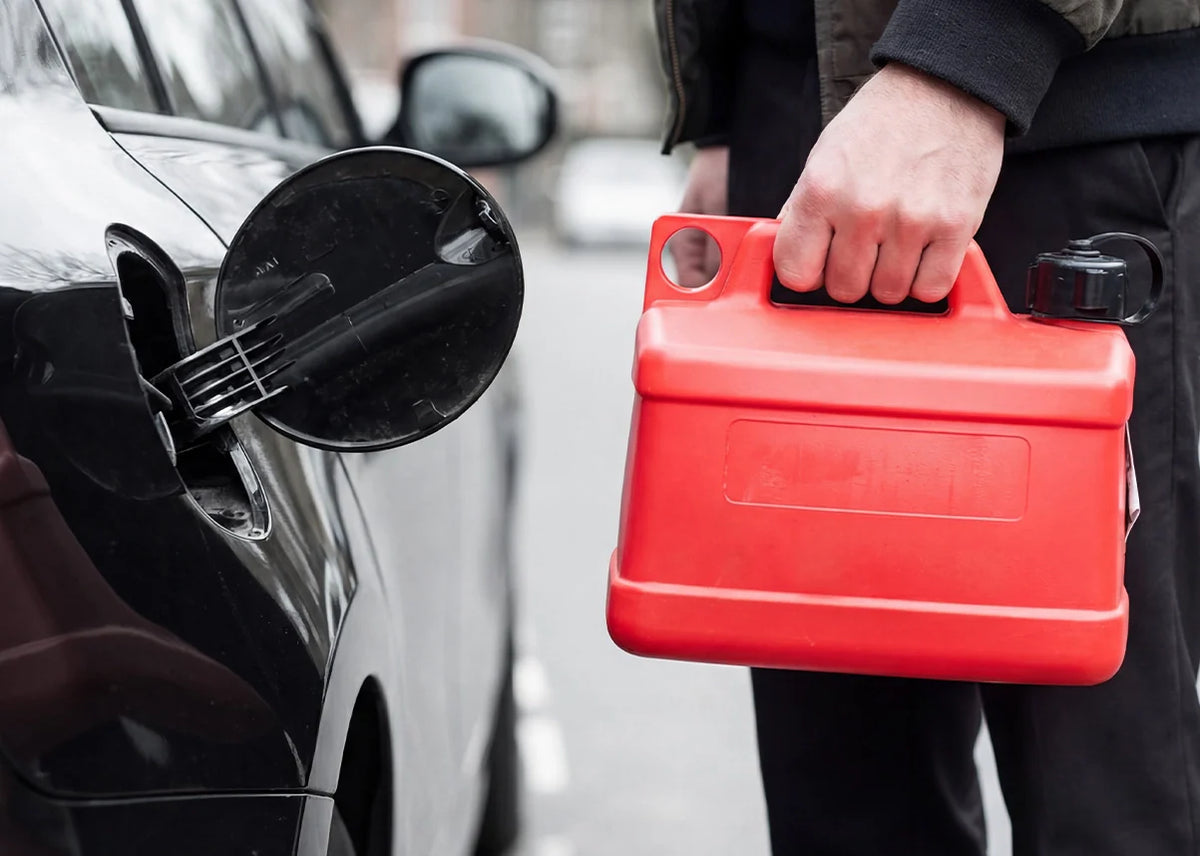
Buy gas cans that are well-made and have tight seals. Cheap cans often leak fumes or spill when they fall over. Use bungee cords or a cargo net to keep the can safe in your trunk. Don't let it move around while you're driving.
Clean Up Immediately After A Spill
Act fast if a drop hits your floor. Keep a pack of paper towels or a rag in your trunk for emergencies. Wiping it up within seconds prevents it from soaking in. The faster you react, the less likely the smell will stick.
Check Your Gas Cap And Fuel System
A loose or broken gas cap triggers a check engine light and allows fumes to escape. Inspect the rubber seal on your cap regularly. If it looks cracked, buy a new one.
Upgrade Your Floor Protection
The best defense is a barrier between the spill and your carpet. 3W Liners offer custom-fit protection for your vehicle. Their TPE construction effectively blocks liquids, preventing them from soaking into your car's carpet and causing lasting odors, while making spills easy to clean and remove.
Conclusion
Gasoline spills can happen to anyone, but you do not need to let them ruin your car. Now you know how to get gas smell out of car fast with easy home items and clear steps. You can start by letting fresh air in and blotting up any liquid right away. Baking soda and vinegar can help you get rid of strong smells in carpets and seats. Do not forget to clean your rubber mats outside and always check your trunk for spots you may miss.
For more tips on keeping your car floor mats clean and odor-free, check out our detailed guide on how to clean car floor mats.
FAQs
Can gasoline odors be harmful if left untreated in a car?
Yes, breathing gas fumes causes headaches, dizziness and nausea. Long-term exposure irritates your lungs and poses serious health risks.
How long does it take for gas smell to go away in a car?
The smell can last for weeks if you do not clean it. With proper treatment and ventilation, it usually fades in a few days.
Is it safe to drive a car with a gasoline smell?
No, strong fumes make you dizzy and distract you from driving. Fix the leak or clean the spill before you drive again.
How can I avoid future gasoline smells in my car?
Secure gas cans properly, stop topping off your tank and use non-porous floor mats like 3W Liners to catch spills.
Are there home remedies that work on gas smells?
Yes, white vinegar, baking soda and ground coffee beans effectively absorb and neutralize gasoline odors on various surfaces.