



An overlanding build asks a truck's interior to do more in one weekend than most vehicles see in a year. Water crossings soak the floor, sand works into every seam, and gear shifts around every time the trail gets technical.
Your chosen Ford Raptor floor mats and Bronco liners must handle real trail conditions. Cheap or low-quality options built for occasional rainy commutes fall apart quickly.
This guide covers what changes between daily-driver and overlanding-grade protection. You'll know what your Raptor or Bronco's real limits are before you push them. We'll also discuss how to keep loose gear from becoming a hazard when the trail gets rough.
What Makes Overlanding Different from Normal Daily Driving Wear?
Overlanding compresses months of normal wear into a single trip. A weekend build may cross a creek, climb a dusty fire road, or set up camp. Those trips put a truck's floor through moisture, abrasive grit, and repeated loading.
Water Crossings and Prolonged Moisture Exposure
A water crossing can leave standing moisture in the footwells for the rest of a drive. Meanwhile, repeated crossings over a multi-day trip mean that moisture never fully has a chance to dry out.
Carpet holds onto that dampness far longer than a non-porous surface. That's exactly the condition that triggers potential lingering odor and mildew growth in a rig that sees regular water crossings. [1]
Sand, Mud, and Trail Debris in Volume
A single trailhead parking lot can track in more grit than months of city driving. Overlanding trips compound that issue over multiple days, with no chance to vacuum in between.
Ford Bronco floor mats best suited for this kind of use need deep channels and raised edges specifically sized for that debris volume. A light dusting of dirt won't hold for long. [2]
Does the Raptor Need Different Floor Mats Than a Standard F-150?
You must treat the F-150 Raptor and the Bronco Raptor separately. The former is a trim of an existing truck, whereas the latter is effectively a different vehicle.
F-150 Raptor: Same Cab, Higher Stakes for Protection
The F-150 Raptor is a high-performance off-road trim of the standard F-150. It's built on the same SuperCrew cab as other trims. That means F-150 Raptor owners can use a properly fitted SuperCrew floor mat set. [3]
However, the trim's off-road use case makes the deep-channel, high-edge design far more valuable. A commuter-focused F-150 trim covering the same cab won't cut it.
Bronco Raptor: A Different Platform Entirely
Ford's Raptor lineup also includes a Bronco Raptor variant. It's built on the Bronco's own SUV platform rather than the F-150's truck chassis. Floor mats built for the standard four-door Bronco are designed around that same body and cab.
However, always confirm whether the current product listings match your Bronco configuration. Raptor-specific trim details can affect fitment on certain model years.For a current fitment grid that includes the Bronco Raptor 4-Door 2022-2025, see 3W's 4-Door Bronco product page before ordering.
What Should Overlanders Know About Their Vehicle's Real Limits Before Hitting the Trail?
Interior protection matters most when it's backed by respecting the vehicle's engineering limits. Floor mats can't compensate for exceeding a water fording depth or ignoring a manufacturer's driving guidance.
Water Fording Depth Isn't a Suggestion
Ford's owner documentation for its off-road-focused trucks and SUVs specifies maximum water-wading depths and recommended speeds for different water levels. Exceeding those limits risks water intrusion into the cabin, electrical components, and drivetrain. [4]
No floor mat can prevent or compensate for that kind of damage. Always check your specific model's published fording depth before crossing water. It's a subtle yet genuine safety and mechanical protection step, not just a formality.
Why Cabin Protection Still Matters Below the Fording Limit
Staying within a safe fording depth doesn't mean the cabin stays dry. Water can still splash up through door seals and floor gaps during a crossing well within spec. [2]
That's where a waterproof, non-porous custom set of Ford Raptor floor mats becomes beneficial. They contain and channel moisture that gets in during normal, within-limits off-road driving.
How Do You Keep Loose Overlanding Gear from Becoming a Hazard?
A packed overlanding rig often carries recovery gear, coolers, and camping equipment loose in the cargo area. Unsecured items are a real safety concern on technical trail sections, not a mere tidiness issue.
Cargo Liners and Tie-Down Points
The NHTSA specifically warns that unsecured cargo can shift, drop, or become a projectile during sudden stops or rough handling. The body recommends tying down or containing items rather than leaving them loose. [5]
You may ride on a technical trail with articulation and initiate sudden, extreme stops more often than in highway driving. A cargo liner with raised edges paired with your vehicle's tie-down points reduces gear shifting ranges.
Seat Back Protection for Gear-Packed Cabins
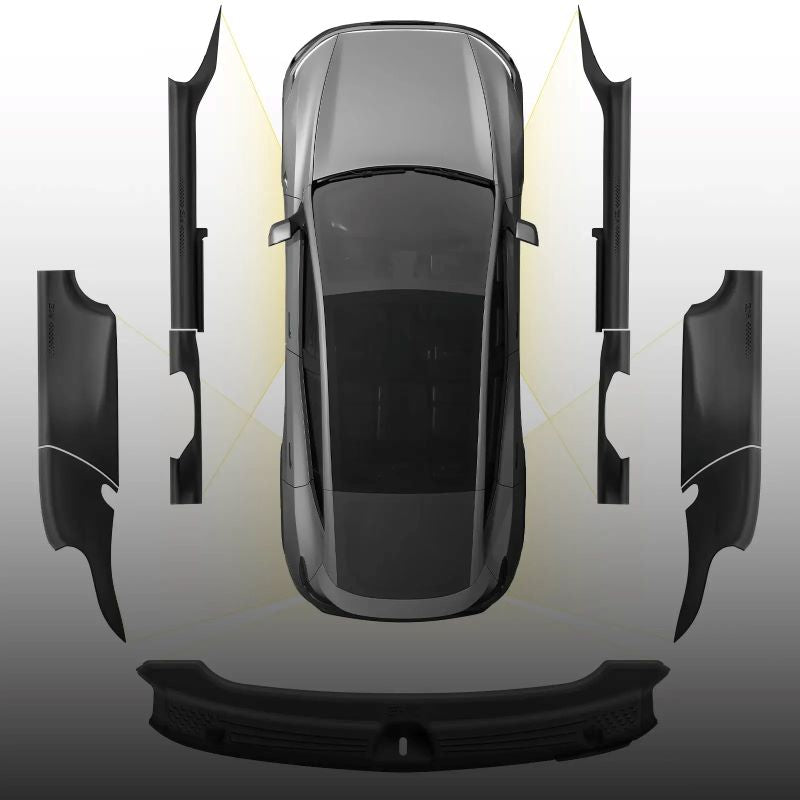
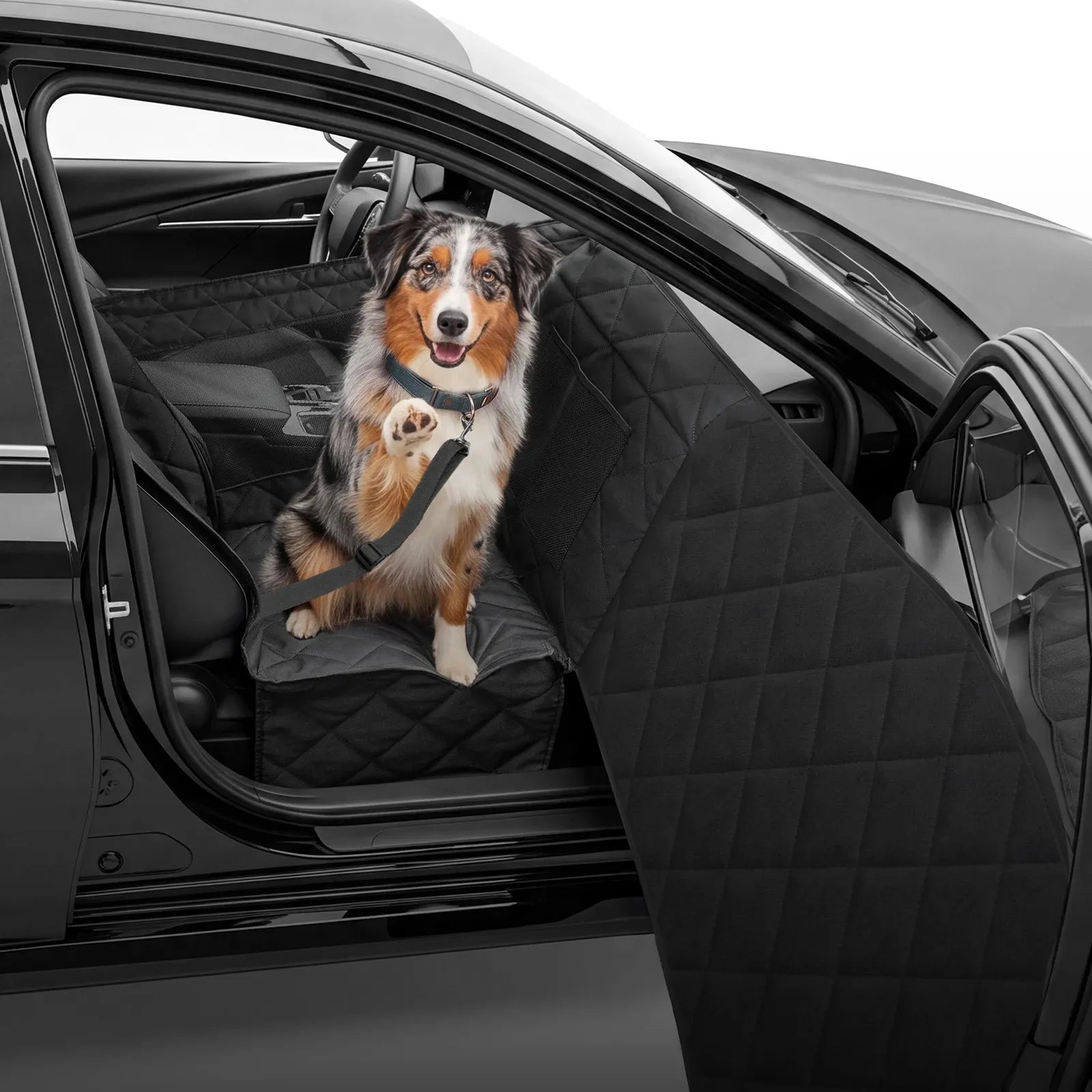
Many drivers or vehicle owners have to get recovery boards, tools, and packed gear onboard. And they store them pressed against the back of folded rear seats. Over repeated trips, this negligence can scuff or puncture factory upholstery.
A seat back protector extends the same coverage logic to the cargo-facing side of the rear seats. It rounds out protection for a build that regularly hauls gear rather than passengers in that space. [6]
Which Material Survives Repeated Trail Abuse?
Thermoplastic elastomer, or TPE, can effectively handle the adverse combination of moisture, abrasive grit, and temperature swings. Together, these rigors put a floor mat through extreme use cases during overlanding trips.
Top-tier floor mats developed by 3Wliners use automotive-grade TPE formulated for flexibility, durability, and stable performance across a wide temperature range. The material is the same class of TPE used in many automotive interior components where a balance of softness and resilience matters. [1]
All 3W floor mats carry a lifetime warranty and are made from GRS-certified recycled TPE, with at least 50% of the material sourced from recycled feedstock. They are also tested for low-VOC and odor to keep the cabin air clean during multi-day trips.
Deep Channels and Raised Edges for Debris Volume
Mats designed specifically for off-road use usually feature deeper channels and higher raised edges. Standard commuter floor mats rarely include those features. Nonetheless, off-road rides require more protection against sand, mud, and water per trip.
This design detail makes 3W off-road floor mats more rugged and stable. Check specifically if you're comparing available options across different brands. A shallow, flat, and simple-looking mat won't contain overlanding-level debris even if it's made from the same base material. [7]
UV and Temperature Extremes on the Trail
Overlanding trips often mean extended sun exposure on desert trails or freezing temperatures at high-altitude camps in the same build season. Quality TPE is formulated to hold its color and flexibility through repeated sun exposure on desert trails. The material's UV behavior is comparable to other automotive interior thermoplastics, and well above the threshold where a cheaper PVC mat would start to chalk or crack. [1]
The material also stays flexible across a wide temperature range. For example, 3W floor mats can remain fully usable from -4°F to 167°F. This range matters when the same rig might see both a summer desert crossing and a winter mountain trip. [2]
How Do You Travel Responsibly While Building Out an Overlanding Rig?
Protecting your interior is only part of a responsible overlanding setup. In fact, protecting the trails themselves keeps access open for the whole off-road community.
What the T.R.E.A.D. Principles Actually Ask of Overlanders
"Tread Lightly!" is the national nonprofit focused on responsible motorized recreation. It also promotes the somewhat mesmerizing T.R.E.A.D. principles –
- Travel Responsibly
- Respect the Rights of Others
- Educate Yourself
- Avoid Sensitive Areas
- Do Your Part
The five acts establish the core framework for minimizing environmental impact while off-roading. [8] Staying on designated trails and crossing streams only at established fords are specific, practical parts of that framework. They're also directly relevant to any overlanding build.
Protecting Your Interior Doesn't Mean Ignoring Trail Impact
A well-protected interior makes it easier to enjoy a trip without worrying about mud and water damage. Still, it doesn't change the responsibility to travel on designated routes and avoid widening trails or damaging sensitive terrain.
Consider building a capable, well-equipped rig first. Also, follow responsible-recreation principles that often go hand in hand for anyone serious about long-term overlanding.
How to Find the Right Mats for Your Raptor or Bronco Build?
Getting the fit right up front means the mats will hold up for the trip you're planning.
Finding Checklist
- Confirm your exact vehicle: F-150 Raptor, Bronco Raptor, or standard Bronco, plus model year.
- Check whether your F-150 Raptor has the fold-flat under-seat storage box. It changes the rear-floor fit.
- Prioritize deep-channel, high-edge designs if your build regularly sees water crossings or heavy sand and mud.
- Add a cargo liner and seat back protector if your rig hauls gear loose in the back.
- Confirm current-year fitment directly on the product page for Raptor-specific trims. Pay attention to coverage details that are updated regularly.
Common Mistakes When Outfitting an Overlanding Build
- Assuming any F-150 or Bronco mat is "off-road ready" without checking channel depth and edge height.
- Skipping cargo tie-downs because a cargo liner alone feels like enough containment.
- Exceeding published water fording depths and assuming floor mats will handle the resulting water intrusion.
- Not confirming Bronco Raptor or F-150 Raptor-specific fitment before ordering a standard trim's mat set.
Which Overlanding Floor Mat Setup Fits Your Build?
How you actually use your Raptor or Bronco should shape which combination of coverage and material features you prioritize.
Weekend Trail Runners
Builds that see occasional day trips on established trails benefit most from a solid front-and-rear TPE set with raised edges. [7] However, the set doesn't necessarily need the full cargo-liner-plus-seat-back-protector combination like a full-time overlander.
Built-in deep channels still matter for your intended use. Even a single muddy trailhead can track in more debris than months of pavement driving.
Full-Time Overlanding Builds
Some rigs spend extended multi-day trips loaded with recovery gear, camping equipment, and water crossings. They can benefit from a complete setup: floor mats, a cargo liner with tie-down compatibility, and a seat back protector for gear pressed against folded seats. [6]
The combination matters more because every surface sees repeated exposure across a trip. That's notably different from the exposure your interior gets on a single day's ride.
Daily Drivers with Occasional Trail Use
A Raptor or Bronco may still spend most of its time commuting with occasional weekend trail runs. Don't think that those vehicles will do just fine without off-road grade mats.
They can still benefit from the rugged mats, as the deep-channel design doesn't hurt daily comfort. That also means the truck is always ready when a trail opportunity comes up.
Conclusion
Overlanding puts a Raptor or Bronco's interior through more concentrated abuse than daily driving. A steadfast protection can handle water crossings, trail debris, and loose gear all at once. Match your floor mats to that reality by prioritizing deep channels, raised edges, and a waterproof, cold- and heat-stable material like TPE. [1] [2]
Also, respect your vehicle's original water-fording limits and the T.R.E.A.D. principles to keep trails open for the whole off-road community. [8] Choose a durable Ford Raptor floor mat set or the matching Bronco option built for your configuration. Explore 3W's full Ford collection — covering F-150, Bronco, Ranger, Super Duty, Explorer, Mach-E, Maverick, Escape, Edge, Expedition, Transit, and more — to find the right coverage for your specific vehicle. [9]
Frequently Asked Questions (FAQs)
- Do F-150 Raptor floor mats differ from standard F-150 mats?
The F-150 Raptor shares its SuperCrew cab with other F-150 trims. So, a correctly fitted SuperCrew mat may work. However, off-road-specific designs with deeper channels and higher edges suit the Raptor's use cases better.
- Are 3W mats rated for water crossings?
3W's TPE floor mats are waterproof and designed to contain water that reaches the cabin. Still, no floor mat prevents water intrusion from exceeding your vehicle's published fording depth. Always follow your manufacturer's water wading guidance.
- Does 3W make mats for the Bronco Raptor?
3W's Bronco coverage spans three separate product lines, each designed around its own cab configuration: a 4-Door Bronco lineup (including Raptor 4-Door 2022-2025), a 2-Door Bronco lineup, and a Bronco Sport lineup. The 4-Door Bronco product page lists the Raptor trim under its compatibility grid, so Bronco Raptor owners may be covered by the 4-Door listing. Always confirm your specific model year and trim on the current product page before ordering, since fitment details are updated regularly.
- What's the best way to secure loose gear in an overlanding build?
Use your vehicle's factory tie-down points and a cargo liner with raised edges to keep gear from shifting. NHTSA recommends securing items, since unsecured gear can become a hazard during sudden stops or rough handling.
- Are TPE floor mats durable enough for real off-road use?
Quality TPE resists UV degradation. It also stays flexible across temperature extremes and holds up better than carpet or lower-cost PVC to repeated water and grit exposure. That's why it's a practical choice for genuine off-road and overlanding use.
References
[1] 3Wliners: "Rubber vs Carpet vs TPE Car Mats" – https://3wliners.com/blogs/car-mats/carpet-vs-rubber-car-mats
[2] 3Wliners: "Floor Mats for Rainy Season" – https://3wliners.com/blogs/car-mats/floor-mats-for-rainy-season
[3] Ford: "Ford Raptor Lineup" – https://www.ford.com/raptor/
[4] Ford Raptor Forum: "Fording Water in a Raptor" – https://www.fordraptorforum.com/threads/fording-water-in-a-raptor.53525/
[5] National Highway Traffic Safety Administration (NHTSA): "Drive Safe: Secure Your Load" – https://www.nhtsa.gov/drive-safe-secure-your-load
[6] 3Wliners: "How to Protect the Back of Your Car Seat" – https://3wliners.com/blogs/car-mats/how-to-protect-the-back-of-your-car-seat
[7] 3Wliners: "Off-Road Floor Mats" – https://3wliners.com/blogs/car-mats/off-road-floor-mats
[8] Tread Lightly: "TREAD Principles" – https://treadlightly.org/education/tread-principles/
[9] 3Wliners: "Ford Floor Mats and Cargo Liners" - https://3wliners.com/collections/ford-floor-mats-and-cargo-liners


Leave a comment
All comments are moderated before being published.
This site is protected by hCaptcha and the hCaptcha Privacy Policy and Terms of Service apply.