




Walk into any auto parts store, and you'll see two very different price tags on what looks like the same product. A set of cheap car floor mats might run you fifteen dollars. A set of premium car floor mats can cost ten times that. So, what's actually different?
The question of cheap vs. premium car floor mats comes up constantly because floor mats perform one of the most important jobs in your car. This guide breaks down the comparison, covering material quality, fit, durability, protection, odor resistance, and safety.
Quick Comparison: Premium Car Floor Mats vs Cheap Ones
|
Features |
Cheap Floor Mats |
|
|
Material |
Standard rubber, thin plastic, or low-grade carpet |
High-grade Thermoplastics (TPE/TPV), heavy-duty rubber, or multi-layer waterproof leather |
|
Fitment |
Universal fit (often leaves gaps) |
3D laser-scanned custom fit (tailored perfectly |
|
Durability |
Wears out fast, cracks in extreme temperatures, or curls up at the edges |
Highly durable, resists cracking, warping, and lasts for years |
|
Spill Protection |
Flat design allows liquids, mud, and dirt to spill over easily |
Features raised walls to trap liquid, mud, and debris completely |
|
Safety & Grip |
Weak backing causes the mat to slip forward (safety hazard) |
Retention hooks, factory retention clips, and aggressive anti-skid nibs. |
|
Odor |
Emits a strong, toxic chemical or plastic smell |
Low odor, non-toxic, and eco-friendly materials |
|
Cleaning |
Stains easily, traps dirt in fibers, and takes a long time to dry |
Stain-resistant, 100% waterproof, and can be easily hosed off or wiped clean |
|
Long-term Value |
Low upfront cost, but needs frequent replacement |
Higher initial investment, but protects resale value and lasts for years |
Material Quality: What You're Actually Standing On?
The biggest difference between budget and premium mats starts with the raw material itself. The single factor influences almost everything else on the list.
1. What are Cheap Floor Mats Made From?
Most cheap car floor mats use thin, low-density rubber or basic woven carpet fiber. These materials are inexpensive to mold and ship, which is exactly why budget brands rely on them.
The problem is that thin rubber cracks and curls at the edges within a year or two. Thin carpet mats mat down quickly, losing texture and immediately absorbing odors into the fibers.
You can usually tell a low-quality mat just by picking it up. It may feel flimsy, bend easily, or have a strong chemical smell when removed from the packaging, indicating lower-grade materials.
2. What Premium Floor Mats are Made From?
Premium car floor mats are either thermoplastic elastomer (TPE) or high-density rubber. Those materials stay flexible in cold weather + resist UV degradation from sunlight much better.
Many premium mats also use a closed-cell structure to prevent liquids from soaking into the carpet below. The thickness difference is noticeable, too.
Premium mats often run significantly thicker than budget options. It means you're entitled to superior cushioning, noise-dampening, and long-term durability underfoot.
Fitment: Why a Universal Mat Rarely Fits Universally?
A floor mat that doesn't fit your vehicle's exact floorpan is inconvenient. It can also create safety problems. That's where the price gap often shows up most clearly.
1. The Universal Fit Problem
Many cheap car floor mats are sold as "universal fit"; they are intended to work across dozens of different vehicle models. In practice, the mat barely remains a precise match for any one of those.
You'll see gaps along the edges, mats riding up over pedals, or excess material bunching near the door. It doesn't present any negligible aesthetic issues.
The NHTSA has issued safety recalls related to floor mats that interfere with accelerator pedals. A mat shifting out of place or bunching up near the pedals is a hazard, not a cosmetic complaint.
2. Laser-Measured, Custom-Fit Premium Mats
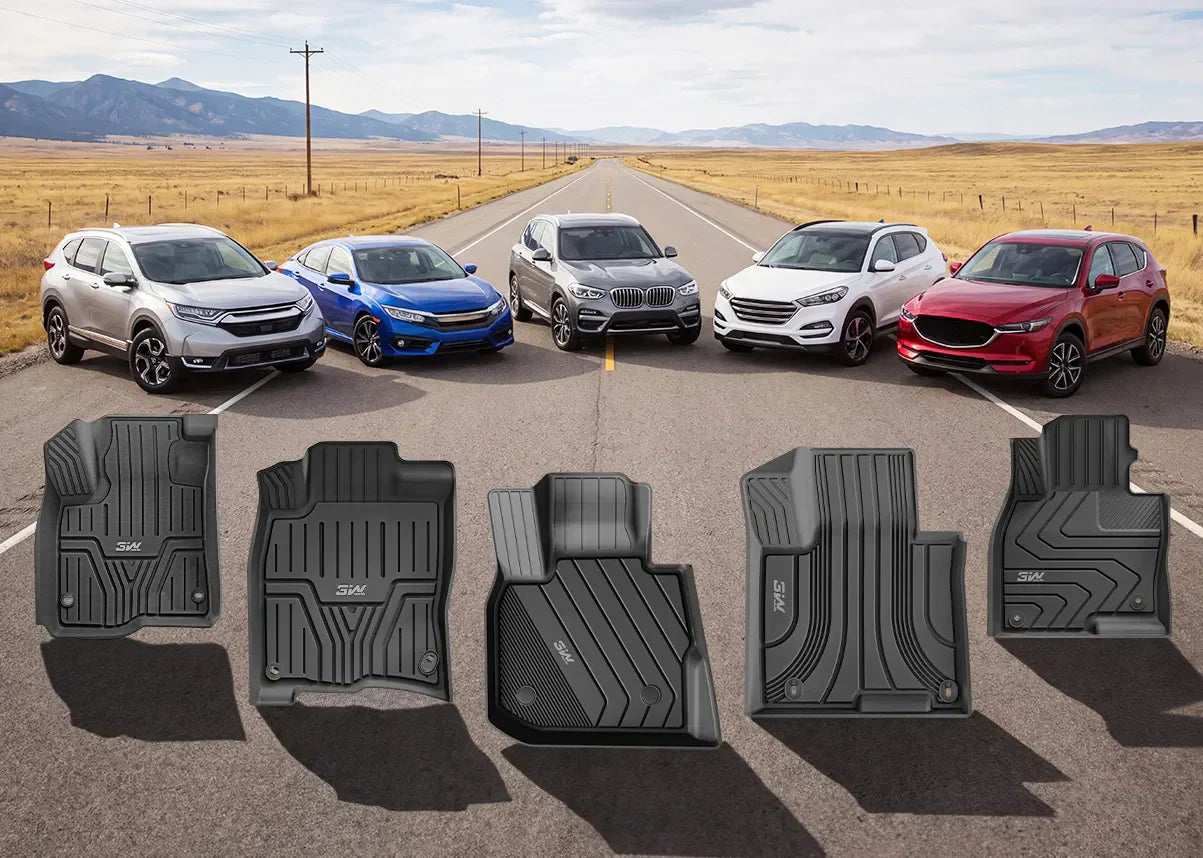
Higher-end premium car floor mats are laser-measured to match the exact contours of the floorpan. Brands like 3Wliners enable exact finds by filtering by specific make, model, and year.
The precision lets the mat sit flush against the factory carpet, follow natural curves, and stay securely in place around pedals and door sills.
Custom-fit mats also tend to include factory-matched anchor points or hook systems. They lock the mat to the vehicle's built-in retention clips, reducing the risk of shifting while driving.
Read more: Custom Fit Vs. Universal Fit Car Floor Mats
Durability: How Long Each Option Actually Lasts
Price aside, durability is often the deciding factor for drivers comparing the two categories. Let's look at what real-world wear looks like for each.
1. The Lifespan of Budget Mats
Most cheap car floor mats show visible wear within six months. Thin rubber cracks at flex points, especially near the heel area on the driver's side.
Carpet-style budget mats flatten and lose fibres, requiring replacement within a single year. In harsh winters or with heavy seasonal debris, the lifespan shrinks even further.
2. The Lifespan of Premium Mats
Quality premium car floor mats last considerably longer, five years or more, with regular use. Denser materials resist cracking, and reinforced edges hold their shape. Also, the UV-stable compounds prevent fading and brittleness.
You can calculate the cost of ownership per year rather than just the upfront price. Still, premium mats frequently come out ahead. A fifteen-dollar mat replaced three times over five years costs more in the long run than a single eighty-dollar premium set.
Protection: How Well Each Type Shields Your Interior
The entire point of a floor mat is protection. Cheap and premium options compare in several respects to the actual job they're meant to do.
1. Spill and Stain Containment
Cheap rubber mats have shallow or nonexistent lip edges. Spilled coffee, melted snow, or muddy water can run right off the mat and onto the carpet underneath. Some absorb liquid directly into the fibers, eventually transferring to the factory carpet.
Premium all-weather mats usually feature raised edges called a containment lip or channel system. It traps liquid, mud, snow melt, and debris within the mat. The design prevents long-term carpet damage, significantly retaining the resale value.
2. Coverage Area
Premium mat sets extend coverage further up the floorboard. They even include deeper side walls than basic mats. Not to mention, basic ones typically cover only the flat floor area.
Such an expanded coverage protects more of the factory carpet from everyday wear. It makes up for the potential areas drivers don't think about until they're already stained.
Odor Resistance: A Common Complaint Worth Addressing
This is a question we hear often, especially regarding all-weather mats. Do premium all-weather car floor mats smell? High-quality TPE floor mats are typically odor-free right out of the box. Some rubber floor mats, however, may carry a noticeable smell when first unboxed due to manufacturing residues and the natural off-gassing of rubber compounds. The odor usually fades over time with normal ventilation.
1. Why Do New Mats Sometimes Smell?
Many new rubber floor mats carry a noticeable smell straight out of the packaging. It comes from manufacturing residue and the natural off-gassing of rubber compounds.
The smell is similar to the "new car smell" associated with fresh interior materials. In most cases, the odor fades significantly within a few days when windows are cracked open or the mats are aired out before installation.
2. Why Cheap Mats Often Smell Worse and Last Longer?
Lower-quality rubber compounds go through less refined manufacturing processes and tend to carry a stronger and more persistent chemical odor because cheap car floor mats frequently skip additional processing and curing steps.
The smell can linger for weeks rather than days. If you've ever bought a bargain mat set and noticed the odor never fully went away, that's often the reason.
Reputable premium manufacturers typically use lower-VOC (volatile organic compound) materials and more thorough curing processes during manufacturing. This significantly reduces the intensity and duration of any initial odor.
Read more: Non Toxic Car Floor Mats
Safety Considerations You Shouldn't Overlook
Floor mats aren't just about keeping carpet clean. A poorly designed mat can introduce real safety risks. Watch out for the following concerns.
1. Pedal Interference
As mentioned, ill-fitting mats are a documented safety concern. The NHTSA has specifically flagged floor mat-related accelerator pedal entrapment as a contributing factor in certain crash investigations.
A mat shifting forward or bunching up can physically wedge under or against the gas pedal. This is exactly the hazard that custom-fit, securely anchored premium mats can proactively prevent.
2. Slip Resistance
Quality mats include slip-resistant surfaces on both sides. The textured top (where your feet go) and the bottom (where the mat meets the carpet) remain steady.
Cheaper mats have smooth backings that slide around on factory carpet. Anchor systems and high-friction backing materials keep the mat locked in place during sudden braking or acceleration.
Are Expensive Floor Mats Worth It?
It's the question most drivers ask when they search for "cheap floor mats vs expensive" comparison content. The honest answer: it depends on how you use your vehicle and how long you plan to keep it.
1. When Budget Mats Make Sense
There are situations where cheap car floor mats are a reasonable choice. You can lease a vehicle for a short term, drive a car you plan to sell soon, or need temporary mats for occasional use.
In such cases, spending less upfront can make practical sense. A budget mat that lasts a year is perfectly adequate when you won't own the car much longer.
2. When Premium Mats Make Sense
For most daily drivers, premium car floor mats deliver better long-term value. The precise fit reduces safety risks, while the durable materials withstand years of daily wear.
Even the containment edges genuinely protect your factory carpet, and the reduced odor means a more pleasant cabin. You may have plans to keep your vehicle for years, drive in harsh weather, or want your interior to look better.
That's where the upfront cost of premium mats pays for itself many times over. Brands like 3W Floor Mats focus specifically on laser-measured, custom-fit, and durable TPE construction.
They address the most common complaints associated with budget options. For drivers comparing cheap vs premium car floor mats, a well-built premium set seems the more practical long-term investment rather than a luxury upgrade.
Conclusion
You're to line up cheap car floor mats against premium car floor mats across quality, fit, durability, protection, odor, and safety. And the pattern regarding the obvious choice should become apparent.
Premium options outperform budget mats in nearly every crucial aspect. That doesn't mean cheap mats are always the wrong choice. They still get the job done for short-term ownership or light use.
But for most drivers, the decision between cheap and premium car floor mats comes down to value over time. That's why you'd better check out 3W Liners to protect the interior with the protection it deserves.


Frequently Asked Questions (FAQs)
1. How often should I replace my car floor mats?
Budget mats need to be replaced every 1 to 2 years with regular use. Premium mats, with proper care/maintenance, should last five years or longer.
2. Can I use universal floor mats in any car?
You can physically place a universal mat in most vehicles, but "fit" isn't the same as "compatible." Universal mats roughly accommodate a wide range of floor pans but rarely match any single vehicle's exact contours.
3. Do all-weather mats work as well as carpet mats for everyday use?
Yes. All-weather mats from rubber or TPE outperform carpet mats in nearly every category. They can handle moisture, mud, and spills far better, clean up in seconds, and resist staining in many ways.
4. Will premium floor mats actually increase my car's resale value?
Indirectly, yes. Floor mats alone don't significantly raise an appraisal value. However, a well-maintained factory carpet, protected for years by quality mats, is something buyers and dealers notice immediately.
5. Is it safe to stack a cheap mat on top of a premium mat?
Not recommended. Stacking mats increases the overall height near the pedals. And it creates further shifting, bunching, or pedal interference issues. These are safety issues that regulators have flagged in past investigations.


Leave a comment
All comments are moderated before being published.
This site is protected by hCaptcha and the hCaptcha Privacy Policy and Terms of Service apply.