


According to MoveBuddha's 2023 moving-industry statistics, the average American moves 11.7 times over a lifetime;[1] the U.S. Census Bureau puts the figure closer to 11.4 moves [2].
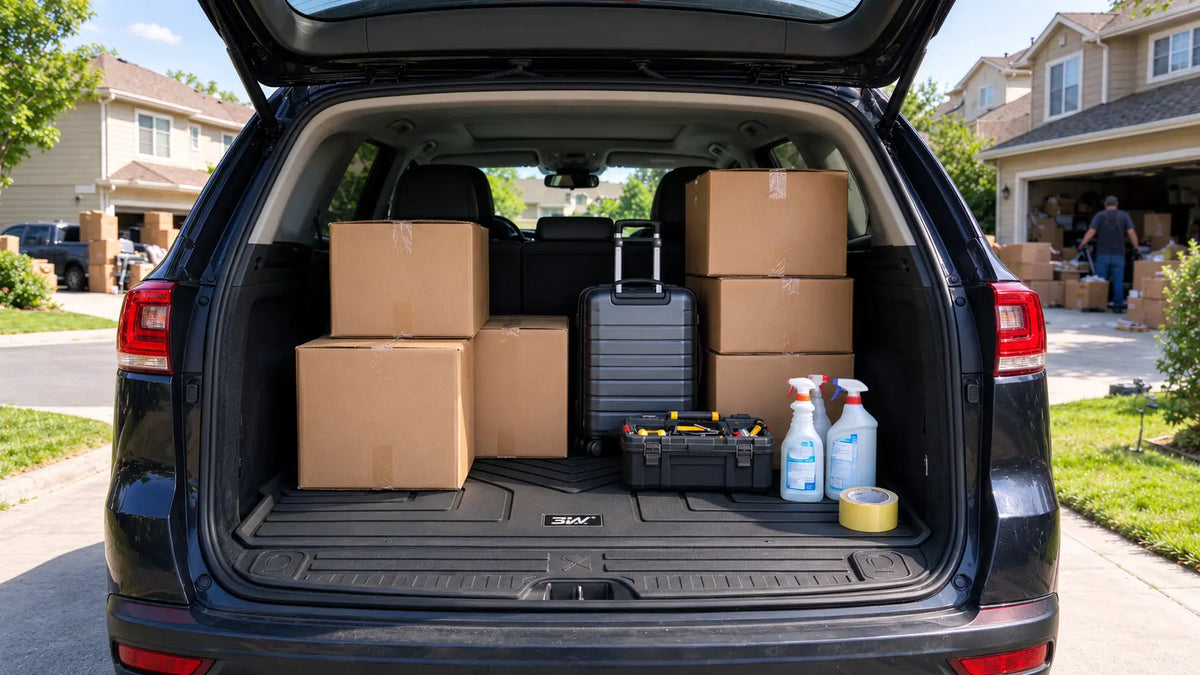
On each move, we load the cargo area with boxes, tools, cleaning supplies, and everything else we leave out or forget.
After an apartment move, an unprotected trunk can show deep scratches, spots from cleaning fluids, and uneven grime that vacuuming can't fully remove. A cargo liner (the protective mat that covers the bottom and sometimes also the sidewalls) takes all that stress off the vehicle.
This guide covers how cargo liners protect your vehicle during a move, which materials hold up best, how to choose the right size for your SUV or truck, and what factors to consider before buying.
Moving Day Is Rougher on Your Trunk Than You'd Expect
Most of us see our car's cargo area as just storage space. But when it's moving day, it becomes a small shipping yard. Weight, sharp edges, and spills add up quickly.
What a Moving Day Load Actually Does to Trunk Carpet
Car trunk carpets are not made for moving heavy objects. Regular trunk linings consist of a looped polypropylene carpet, similar to that used in low-traffic commercial areas, laminated to a thin layer of foam [3]. They can handle groceries or sports equipment without any issues.
However, moving day is different. The edges of cardboard boxes concentrate their weight on a single line on the carpet. A 40-lb box sliding during braking can grind dust into the carpet fibers.
Cleaning supplies and gardening equipment spill liquid during transportation. Trunk carpet manufacturers did not design their lining for these uses, and any resulting damage is usually permanent.
Two real-life examples illustrate how severe this problem can be. Moving from a ground-floor apartment typically involves making 15-25 trips with a single vehicle [4].
Kitchen boxes with pots and pans weigh 30–50 pounds and have sharp edges that can easily damage soft trunk carpets in a single trip [4].
Such damage is common during an apartment move.
Which Cargo Liner Material Actually Survives Moving Day
Not all cargo liners handle the demands of moving equally well.
The material used to make a cargo mat determines how well it stretches, absorbs shocks, and stays clean after a day of loading heavy boxes. Below are details comparing the common types of cargo liners available.
TPE and TPO: The Go-To Materials for Custom-Fit Liners
Thermoplastic elastomer (TPE) and thermopolyolefin (TPO) are used in most high-end cargo liners. TPE is a rubber-like engineering plastic that provides flexibility and can be molded like plastic [3]. TPO is a plastic blend similar to TPE, used by brands such as WeatherTech for creating custom trunk liners [3].
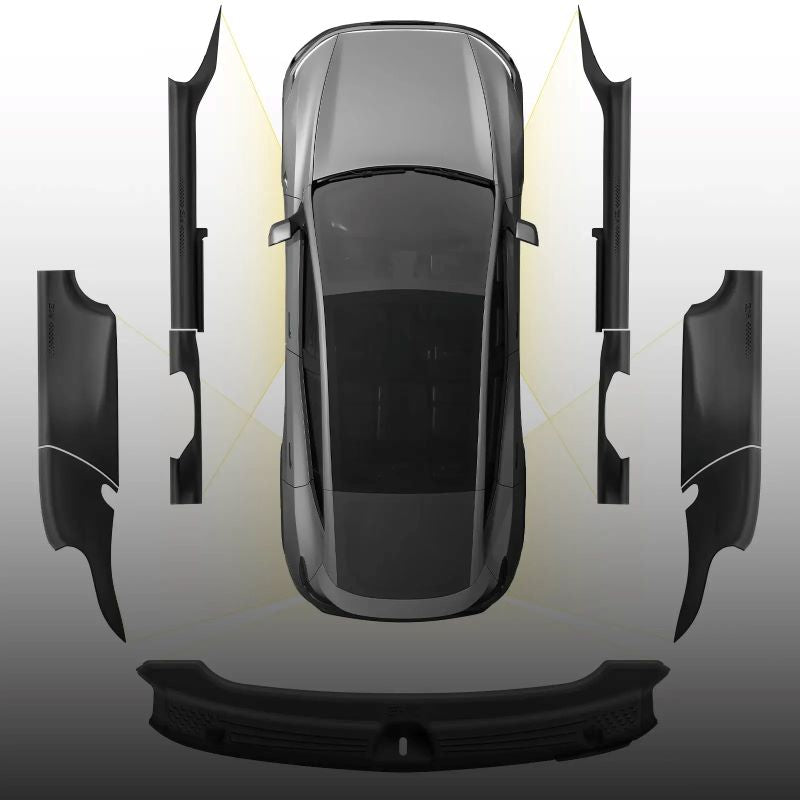
TPE and TPO cargo liners remain flexible in cold weather conditions, a feature needed for moving during autumn and winter months. Both can resist harsh chemicals if household cleaning and care products spill during transit. Custom-fitted TPE and TPO cargo mats are molded with 3D scanning technology to ensure a precise fit, covering side panels and wheel wells that flat rubber mats leave exposed.
However, if you need to use different vehicles to transport goods or drive a rented truck with no specific fit available, a universal heavy-duty rubber cargo liner provides good value for money.
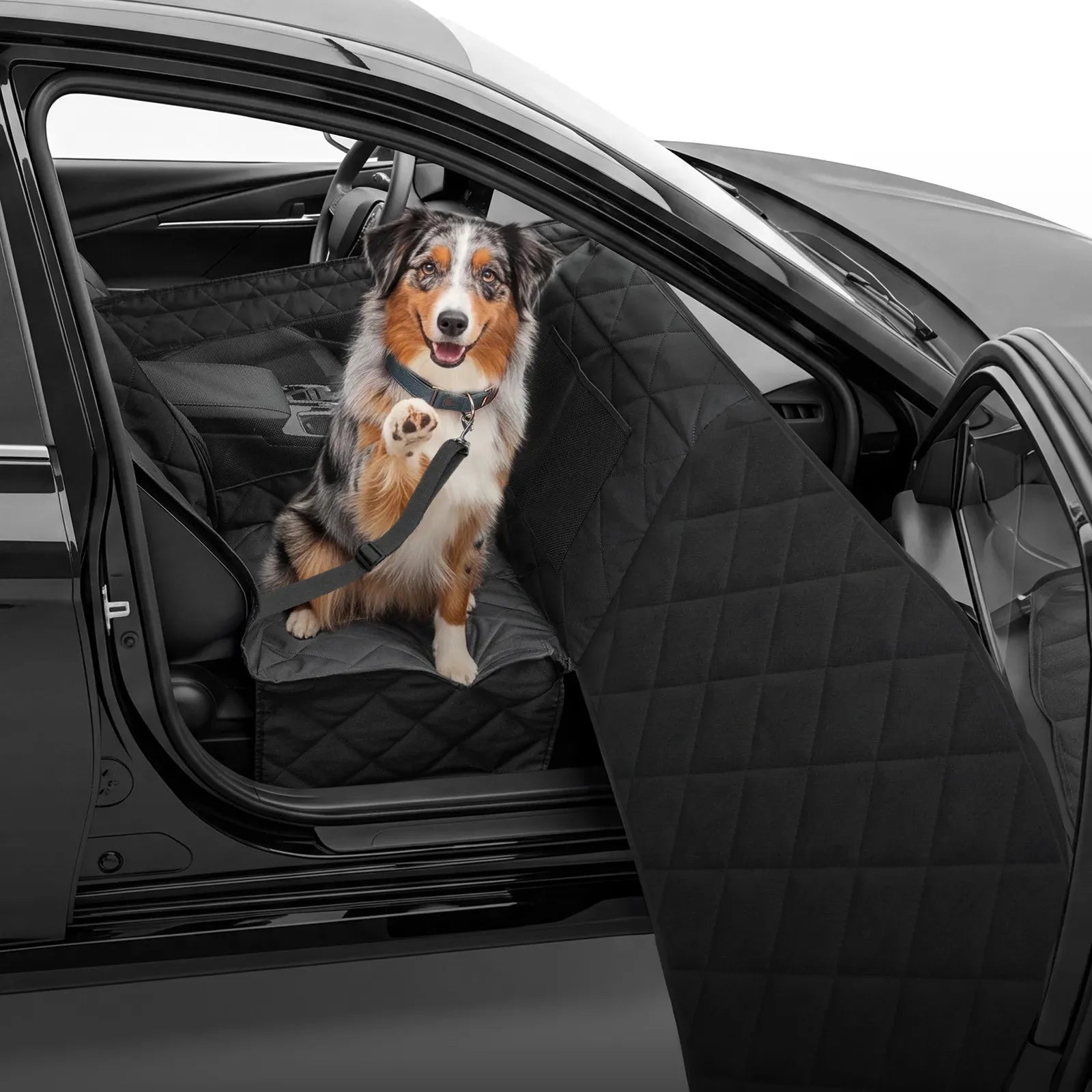
3W Thorex™ cargo liners are made from 100% eco-friendly TPE—the same family of materials used in baby pacifiers, combs, and toothbrushes. They are GRS-certified (Global Recycled Standard) and contain at least 50% recycled material, so the liner protecting your trunk on moving day is itself a recycled product. TPE is non-toxic, contains no PVC, phthalates, or heavy metals, and is odor-free from -4°F to 167°F—safe for the kids and pets who ride to the new home.[5]
Heavy Rubber Liners: The Workhorse for Trucks and Rentals
Heavy rubber cargo liners offer great durability for general moving jobs. Vulcanized rubber or nitrile rubber resists cuts and scratches from sharp corners of boxes and tools [3]. Heavy-duty rubber and TPO cargo liners are designed to absorb the impact of moving-day loads—boxes, tools, and the occasional dropped appliance—without cracking or permanently deforming [3]. (3W Thorex™ cargo liners are engineered for everyday moving loads; no specific lb weight is published, so always distribute heavy items rather than concentrating weight in one spot.)
Universal rubber cargo mats cover the floor area but leave side walls and rear bumper lips uncovered. Good rubber mats are ideal for full-size pickup trucks and vans for moving multiple pieces of furniture during an apartment move. Easy to clean: just remove, hose it down!
How to Size a Cargo Liner Correctly for Your SUV or Truck
The most common mistake home movers make is choosing a cargo liner that does not match their vehicle's actual cargo area dimensions. A poorly fitting cargo liner serves little purpose; it constantly shifts, bunches up, and leaves vulnerable surfaces exposed.
Measuring Your Cargo Area Before You Buy
Cargo area capacities can vary significantly between vehicles of the same size. To find the best cargo liner for your SUV or truck, take your own measurements instead of relying solely on your vehicle's factory specifications.
Three measurements needed to place an order for any cargo liner:
- Floor length: Distance from rear bench seat base to inner rear bumper; indicates usable floor length which the mat should cover.
- Narrowest floor width: Trucks such as SUVs come equipped with wheel wells that prevent us from using the whole width; therefore, one should ensure that the cargo liner provides adequate space between the sides to accommodate these protrusions.
- Side wall height: If you require a cargo organizer that provides coverage to side walls, measure distance from the floor to the lowest point of the door panel.
A mid-size SUV such as a Toyota RAV4 has a cargo floor length of about 37.6 inches with the rear seats up and 69.8 inches with the rear seats folded [4]. The cargo liner you need for daily use differs in size from the one required when your rear seats are folded flat for moving.
Custom Fit vs. Universal Fit: When Each Makes Sense
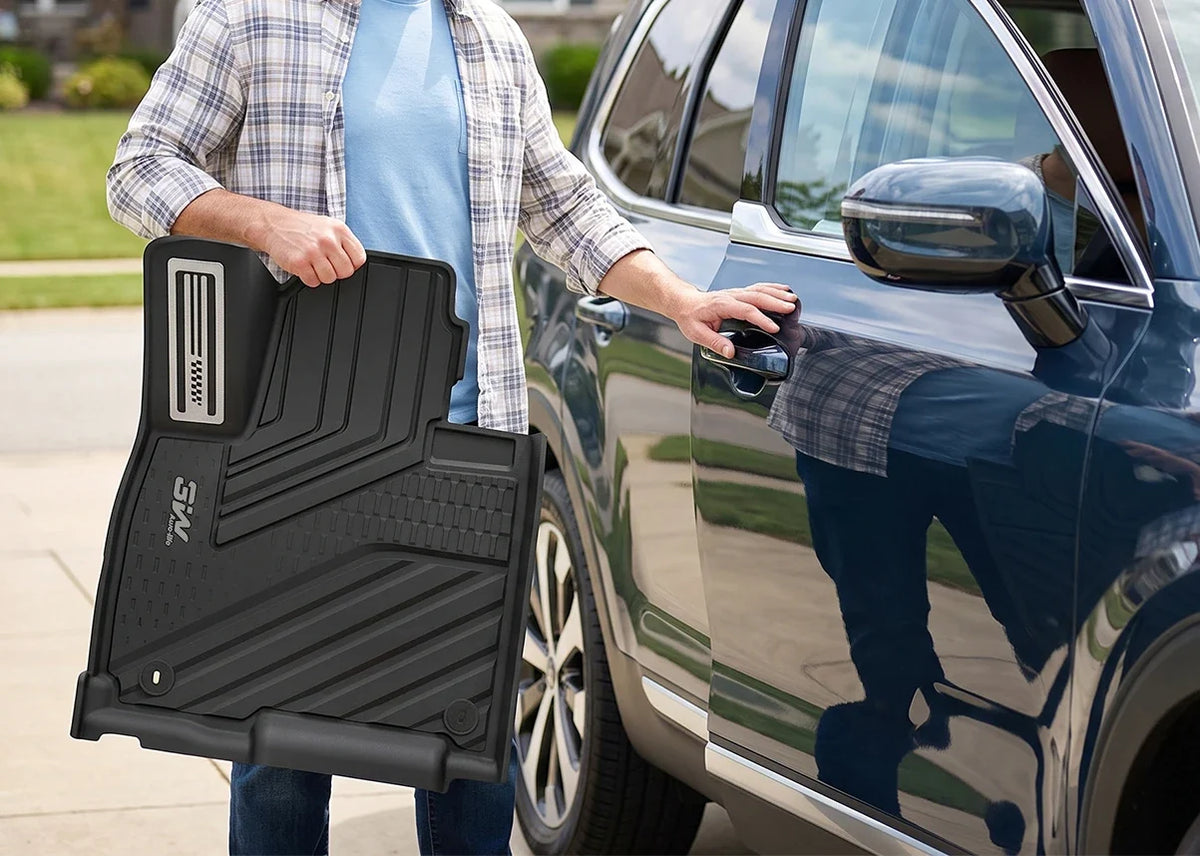
The custom-molded cargo liners fit specific car brands, models and years. A customized liner covers features like the wheel well humps, sides and areas where seats can be folded down, features that universal flat mats cannot cover[3]. If you use an SUV or truck to move your belongings, paying a bit extra for a high-quality custom cargo liner is well worth the investment.
Universal fit cargo liners are best suited for:
- Drivers who use different vehicles based on cargo capacity
- Pickup truck owners who desire a flat, trimmable rubber mat for their truck beds
- Anyone planning to trade in their current vehicle within 12 to 18 months, as the liners might not be transferable
A universal cargo liner isn't suitable for vehicles with complexly shaped cargo floors: third-row SUVs, crossovers with pronounced wheel wells, or vehicles with cargo tie-downs integrated into the floor. A universal mat that becomes misshapen or wrinkles under load offers less protection than no liner.
What to Look For in the Best Heavy-Duty Cargo Liners for Moving
The market for cargo liners used for household moves offers a wide range of good-quality levels. Certain features set high-quality moving liners apart from options that shift, permanently stain, or break after a single day of heavy use.
Raised Edges and Spill Containment
A cargo liner with higher sides (2 to 4 inches above the floor) helps contain spills and debris within its boundaries [3]. During a move, the most common spills include cleaning products and potted plants. A liner without raised edges allows liquids to seep underneath and pool directly on the vehicle's carpet.
Thick-skinned, heavy-duty cargo pads especially designed for moving houses require strong edges. Compliance with FMVSS 302 indicates that a cargo mat meets federal flammability standards for automotive interiors [3]. Meeting this standard does not guarantee high quality, but it does ensure the material is free of major safety concerns.
Non-slip Surface Texture
A smooth cargo liner poses a risk during a move. Boxes slide around when braking, and a 40-pound box sliding forward into the rear seat can damage both the seat and your belongings.[3] Non-slip TPE and TPO mats feature a textured finish. This keeps cargo from shifting. Heavy rubber non-slip liners can be hosed clean from outside the vehicle[3].
Warranty That Follows Your Liner Moving day is exactly the kind of real-world use a cargo liner is built for—and 3W cargo liners are covered by a 3W Lifetime Warranty for defects in materials and workmanship, including non-normal cracking, retention-clip failure, and significant fitment issues. Coverage is non-transferable and applies only to the original purchaser and the original vehicle of installation, so if you keep the same vehicle for the long haul, the warranty does too.[5]
Frequently Asked Questions
Do I really need a cargo liner for a single apartment move?
Yes, if you intend to keep or sell the vehicle. A solitary flight of stairs with unprotected carpets can cause permanent stains and scratches, resulting in losses of 200-500 when selling the vehicle [4]. An auto tray for moving furniture costs between $40 and $150 and provides complete protection from such damage.
What is the best cargo liner material for moving heavy boxes?
Heavily reinforced rubber or TPO liners for heavy loads. They can handle the edges of chemical spills and repeated loading cycles without developing cracks. The best auto cargo liners for moving include custom-fit TPO mats, which offer excellent sidewall protection and a vehicle-specific fit [3].
Can I use a cargo liner designed for pets or camping during a move?
Partially. The pet liner comes with side walls but is relatively thin compared to heavy-duty cargo liners made to transport goods. The camping cargo liner is sturdier. However, neither provides enough protection against sharp box edges or chemical spills, though both offer more coverage than bare carpet during a short move [3].
Does a cargo liner fit all SUVs and trucks?
No. Universal liners cover most of the floor area well, but they leave out sections around the wheel wells and rear bumper lip. Heavy-duty auto cargo mats that organize your SUV/truck provide great protection and stability during any load [3].
How do I clean a cargo liner after a move?
Remove it from the vehicle. You can wipe TPE and TPO cargo mats clean with a damp cloth and mild soap. You can hose heavy rubber cargo liners off outdoors. Do not use bleach on any liner, as it damages rubber and TPE compounds over time [3].
References
[1] MoveBuddha, Moving Industry Statistics 2023 (11.7 lifetime moves; 41 million Americans moved in 2023; $19 billion in total moving industry spending): https://www.movebuddha.com/blog/moving-industry-statistics/
[2] FiveThirtyEight / U. S. Census Bureau, How many times does the average person move? (lifetime moves of 11.4; age group mobility data; at 18 one averages two moves, at 30 six): https://fivethirtyeight.com/datalab/how-many-times-the-average-person-moves/
[3] RealTruck / WeatherTech: WeatherTech cargo liner product pages (specifications for TPE material, raised lip design, FMVSS 302 compliance and a textured anti-slip surface): https://realtruck.com/p/weathertech-cargo-liner/
[4] Movebuddha and U. S. Census Bureau: Supporting statistics used throughout: average box trip counts, vehicle load weights, trunk damage cost ranges.
[5] 3W FAQs Page: https://3wliners.com/pages/faq

Leave a comment
All comments are moderated before being published.
This site is protected by hCaptcha and the hCaptcha Privacy Policy and Terms of Service apply.