


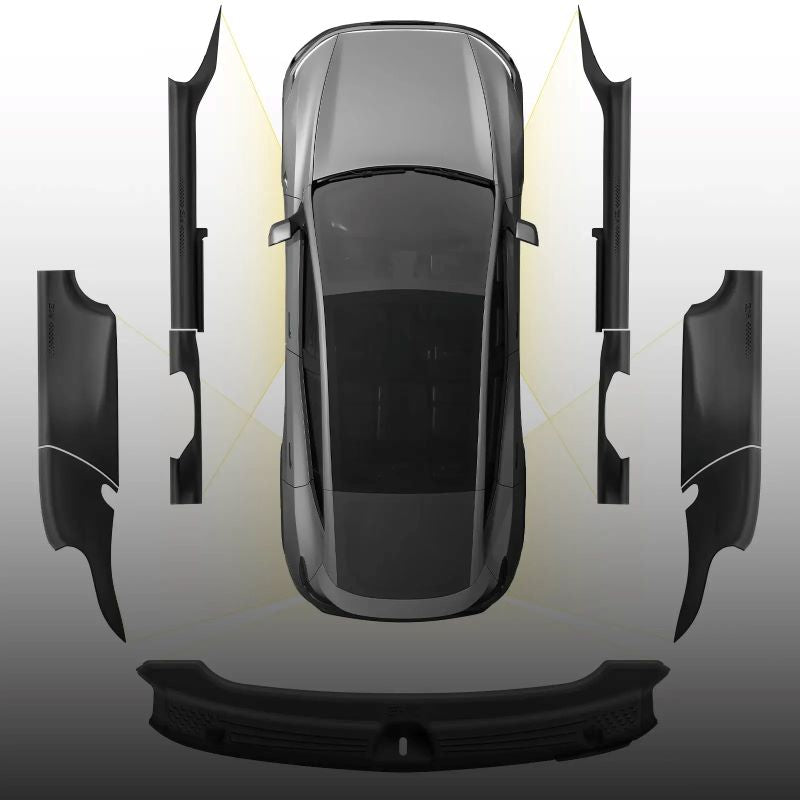
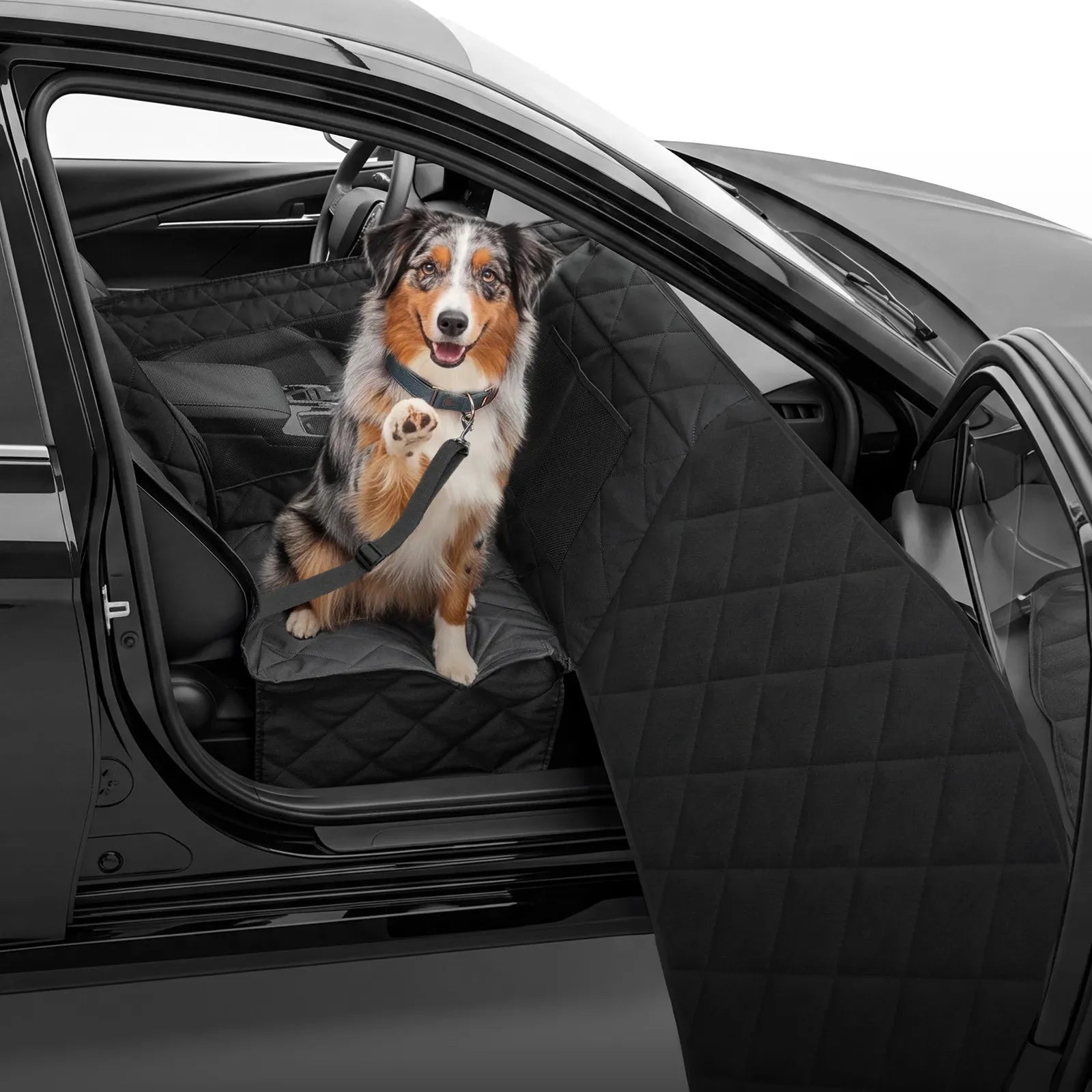
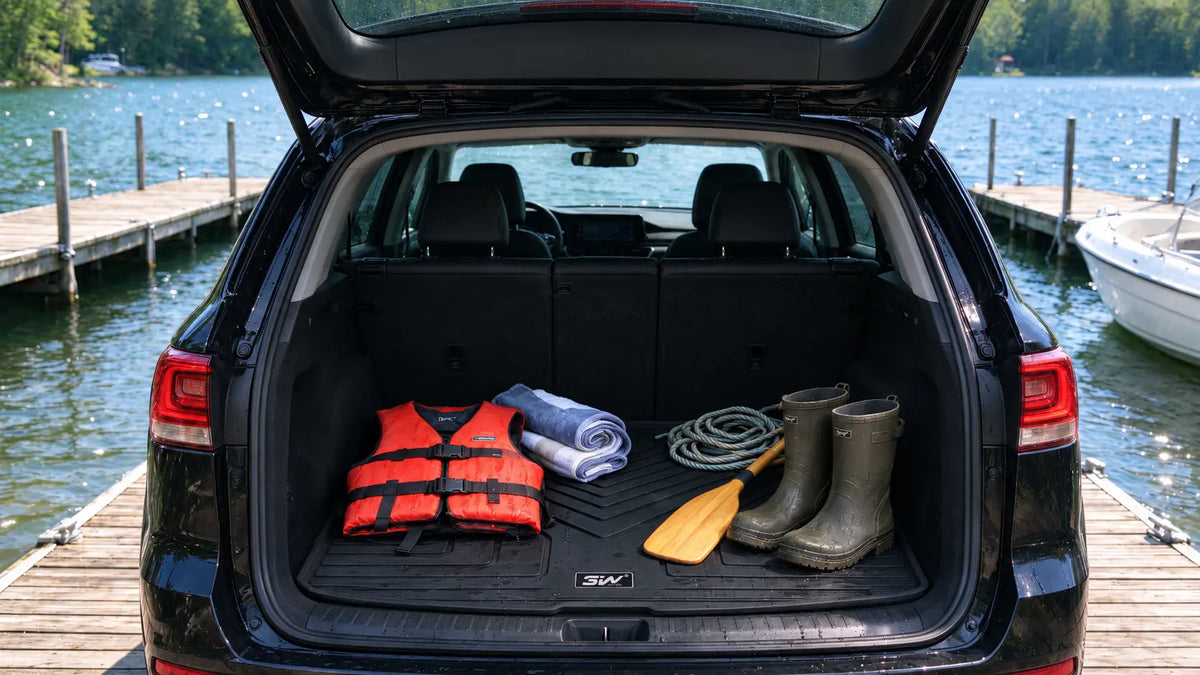
Sand and water are ubiquitous on lake days, and both inevitably end up in your trunk.
Every summer weekend fills tens of millions of trunks with drenched life jackets, damp towels, sandy anchor ropes, and dripping kayak paddles.
Sand is more than just a nuisance. Silica sand grains measure 0.1 to 2 millimeters - small enough to wedge between carpet fibers and their sharp edges create a scratching action when dragged across surfaces under body weight [5].
If you leave sand in trunk carpets after a visit to the lake, it can cause permanent damage through abrasion that vacuuming alone can't fix.
A cargo liner can help prevent damage from lake trips. This article explains how a cargo liner protects your vehicle during lake trips and boat launches, which materials handle wet gear and coarse sand, and how to choose the right one for your vehicle and gear.
What Lake Days Actually Do to Your Trunk
Sand damage doesn't become apparent until you try to sell your vehicle. By then, the carpet is stained, the fibers are worn out, and the cargo area has a faint smell of lake water. This problem builds up trip by trip, and it begins with two things: water and silica.
Sand: The Slow Abrasive
Silica sand, the fine-grained quartz found at most freshwater and coastal lake beach spots, is chemically stronger than most materials used to fit out a vehicle's interior [5]. Any wet sand left on the boot carpet and compressed by gear acts like an abrasive compound, causing permanent damage that vacuum cleaning alone can't fix.
Sand seeping into carpet fibers during loading triggers further erosion during subsequent trips. Unless you have a cargo liner to contain the sand, it will get to places like seam areas, spare tire wells, and rear seat mounting equipment, areas vulnerable to faster corrosion due to mineral-rich lake water [5].
Wet Gear: The Moisture Problem
Gear brought back from lakes can cause two types of damage. First, surface moisture seeps into the carpet, encouraging fungal growth beneath the surface and taking 24 to 48 hours to dry completely in an enclosed trunk space [3]. Secondly, heavy equipment carrying wet gear applies compressive pressure to carpets or cargo liners beneath it.
Mildew in carpet backing requires professional wet extraction and restoration—costing between $100 and $300 at detailing centers, but they may may still be unable to eliminate the issue completely [3]. Quick-removal waterproof cargo liners provide an effective solution to this challenge.
Boat ramps contribute another type of contamination. Frequent boat launches leave concentrated algae, mud, and engine oil on ramp surfaces. Trailer tires, wet ropes and boat bumpers bring contaminants directly into your gear compartment. [3] Boat ramp run-off contains hydrocarbons and organic substances that cause permanent stains—much worse than clean lake water.
A cargo liner for lake-day boat launches needs to handle the grime found on boat ramps, not just clean water. So we look for non-porous products with high sides to contain drips, since mats that let liquids seep through aren't suitable.
Which Cargo Liner Materials Actually Work for Lake and Boat Use?
Not all gear cleaners are the same. The difference between a good cargo mat for boat days and a mere decorative one comes down to its ability to handle damp equipment, including porosity, side height and how it reacts to pebbles.
TPE and TPO: The Waterproof Custom-Fit Options
TPE (Thermoplastic Elastomer) is a rubber-like synthetic material used to create high-quality cargo mats for outdoor or marine use.[1] TPE does not absorb water. If you leave it on, water sits on the surface rather than seeping into the material. When you remove a TPE cargo mat after a day on the water, the cargo mat will be wet, but the underfloor carpet will be dry.
TPO (Thermopolyolefin), a blend of polymers, has similar characteristics and can be found in several brands of made-to-measure cargo mats. Like TPE, TPO cargo mats are 3D scanned to fit your vehicle's floor area precisely, including contours over wheel arches and door sills where solid rubber mats leave bare areas.[1]
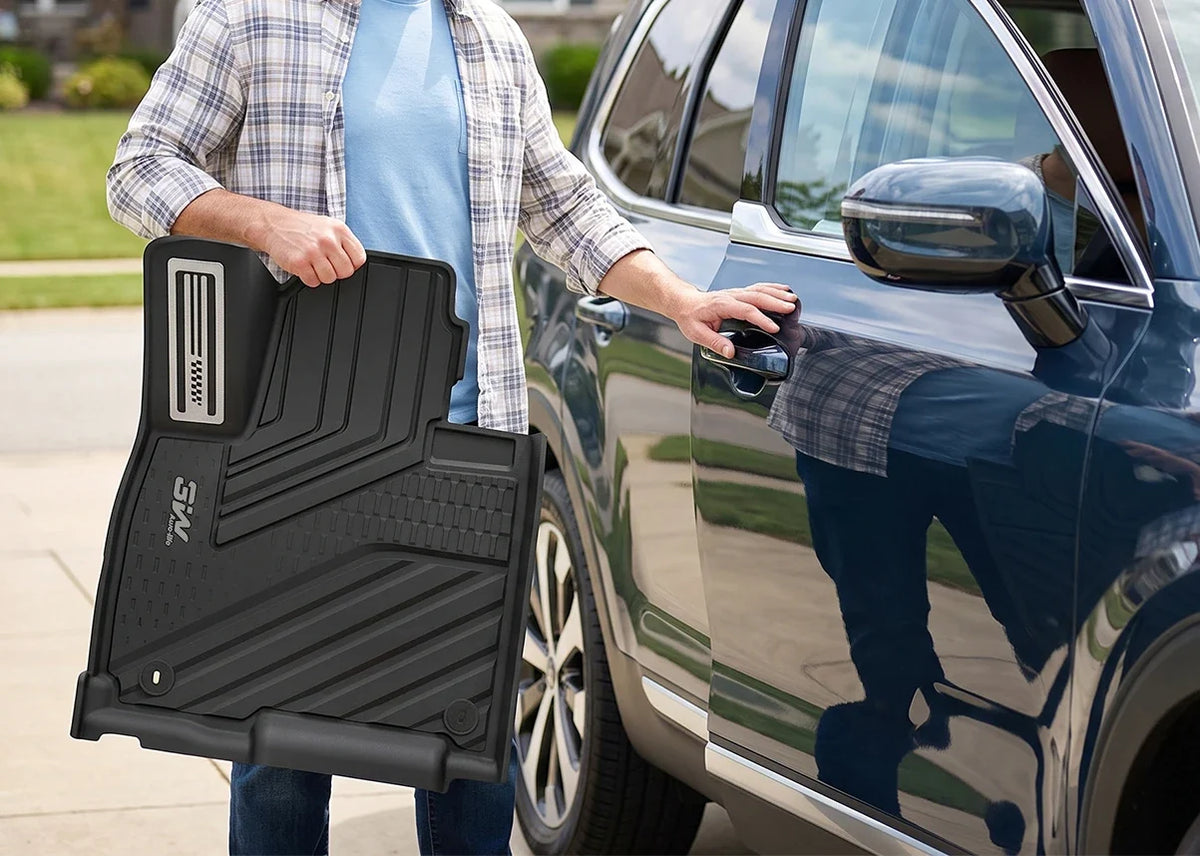
3W Thorex™ cargo liners are produced by injection molding (not thermoforming)—a denser, more robust construction that resists cracking, warping, and wear, and is shaped to the exact 3D contour of your specific make, model, and year. [6]
If you frequently switch between vehicles or drive a borrowed vehicle, a custom-fit TPE cargo liner may not be the most practical option, since it is shaped to a single make/model/year. 3W's lineup is custom-fit first, so for occasional multi-vehicle use you may want a second liner; universal-fit heavy rubber is a budget compromise that we generally do not recommend because side walls and rear bumper lips stay exposed.
Heavy Rubber: The Boat-and-Trailer Workhorse
Vulcanized rubber cargo liners—heavy mats heat-treated with sulfur for extra strength—provide effective protection for vehicles used to tow boats.[2]. Heavy-duty rubber cargo liners can be easily cleaned and rinsed in 2 minutes in your driveway, perfect after a day of boat launching with contaminated ramp mud or anchor rope residue.
Good-quality rubber cargo liners with molded side-wall flaps at least 5–10 cm high will support most spills contained during driving.[2] Rubber also absorbs impacts well, protecting against heavy anchors and steel accessories like boat tie-down hardware.
TPE vs. Rubber
Rubber is durable and handles scuffs well, but it can carry a mild odor in heat and is less eco-friendly. TPE has the same waterproofing and abrasion resistance, but is lighter, fully recyclable, and emits no odor even at temperatures from -4°F to 167°F. For families with kids, pets, or sensitive noses, TPE is the cleaner choice.[7]
How to Choose the Right Cargo Liner for Your Lake and Boat Setup
Choosing the right cargo liner depends on your vehicle type and equipment. A solo kayaking enthusiast with an SUV needs different accessories than a family towing a ski boat with a pickup truck.
Matching the Liner to Your Gear Load
A cargo liner for weekend camping trips loaded with sleeping bags, portable stoves, wet tents, and damp towels will require higher sides and greater floor coverage than a day-use liner.
Find a cargo liner that matches your gear needs!
- Kayak and paddleboard loads: dripping paddles, wet neoprene skirts and pump hoses; a long, flat liner with high sides and a waterproof surface can handle this task well.
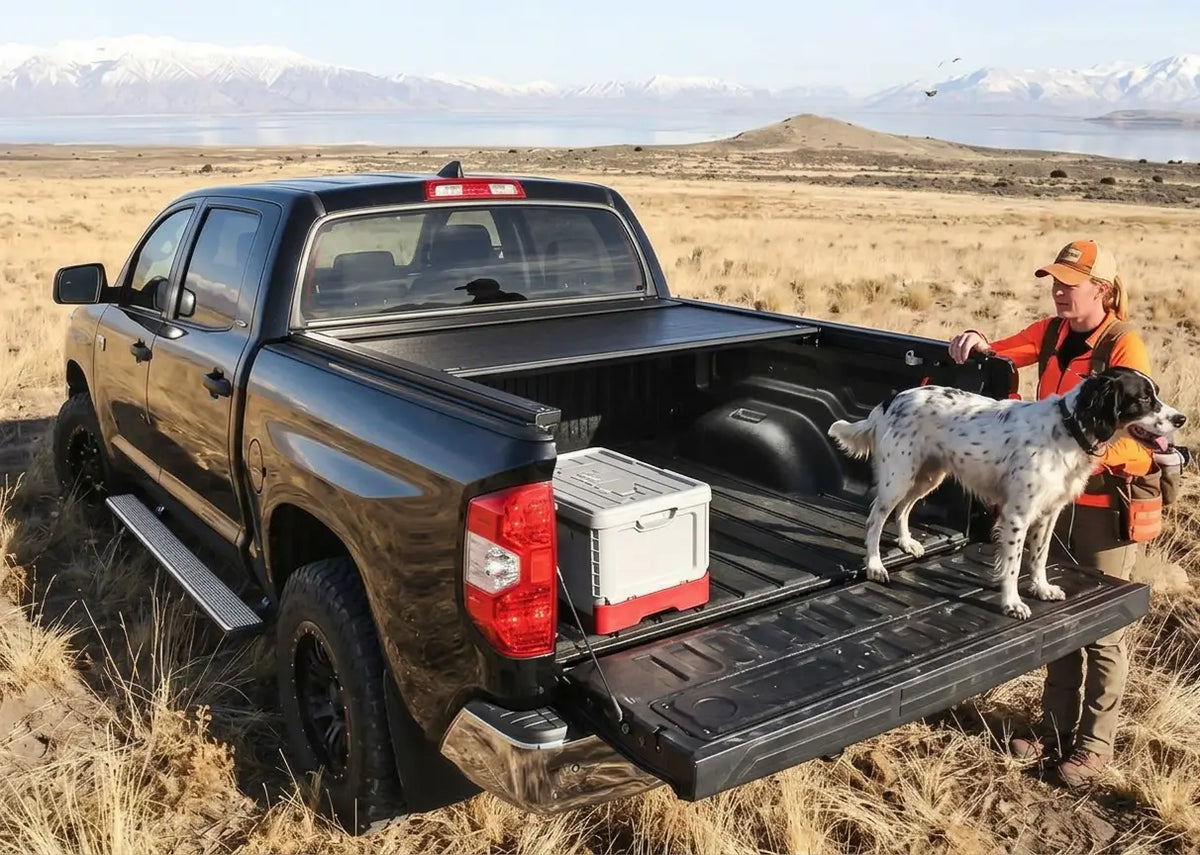
- Motorboat day trips: wet jackets, ropes, coolers with condensation and boat bumpers; a rubber liner with high side walls is needed to contain both weight and moisture.
- Overnight camping at the lake: when using a cargo liner for camping gear on such trips, it needs to accommodate items such as tent poles, damp sleeping bag stuff sacks, and muddy boots in addition to any wet lake gear.
- Kayaking or fishing with heavy equipment: rod cases, tackle boxes, and bait buckets that leak: the best option to contain leakages in this case is a liner with full side walls made of TPE and raised edges.
Why a 3W Cargo Liner is Built for the Long Run 3W cargo liners (Thorex™) are backed by a 3W Lifetime Warranty against defects in materials and workmanship, covering non-normal cracking, retention-device failure, and significant fitment issues for the life of the original vehicle of installation. (Note: warranty is non-transferable and applies only to the original purchaser.) This means one liner purchased today is engineered to outlast many seasons of lake weekends, boat launches, and cold-spring trailer trips.[6]
The Cargo Liner for Sports Equipment Fit Question
A cargo liner for your sports equipment at the lake should fit your car's entire cargo area. Most water sports equipment is long and narrow and can be leaned against the walls and seats during transport. Side-wall coverage protects against scratches from paddle handles, fishing rod tips, or wetsuit hangers.
Repairing damage to side panels on modern SUVs can cost anywhere from $150 to $400 [3]. A cargo liner with side-wall protection designed for water sports equipment can help you avoid these repairs.
Universal vs. Custom Fit for Boat Tow Vehicles
Vans used to transport boats need appropriately sized cargo liners because their cargo space presents different challenges than SUVs. The ideal cargo liner for a boat-towing van is one made to measure for the cab area where accessories such as ropes, gear bags, and wet life jackets end up. SUVs, vans, and double cabs all have different rear cargo-area dimensions, so a universal liner can leave doorway sill areas exposed.
Before Summer Ends: Setting Up for Fall Water Trips
Late-summer and early-autumn boat trips can be the messiest. Many inland bodies of water experience algal blooms during August and September, requiring extra gear such as wetsuits and dry bags. Inadequate cargo liners also complicate end-of-season cleanup.
The Pre-Trip Liner Inspection Checklist
If a liner cracks during a cold spring outing or develops a tear in the side lip, water and trailer grime can seep beneath the carpet. Before going on a lake or boat trip, check the following:
- Check the side lip condition: Cracks on the folded edges allow liquids to bypass the container.
- Pay attention to the textured underside: If the underside grating is worn out, the liner slips over the carpeting, exposing areas of floor that are unprotected.
- Check for embedded grit on the top surface: Grit left on the liner from the last trip can be transferred to the next load of gear.
- Watch out for the liner fits flush with the cutouts of the wheel wells; any gaps allow sand to get under the carpet in one of the hardest spots to clean.
A high-quality cargo liner can withstand an entire season of lake trips. A cargo liner with a cracked side lip or a damaged underside can support your gear's weight but offers little protection.
Frequently Asked Questions
Can a cargo liner for sports equipment work for camping gear too?
A cargo liner with full side walls provides excellent coverage for camping trips, as it easily handles rugged gear and wet tent items. Opt for a liner with at least 2–4 inch (5–10 cm) high side walls for overnight trips [1].
Will a cargo liner stop sand from reaching the trunk carpet?
Yes, if the liner is non-absorbent and has securely sealed edges. Sand gets into trunk carpets through the gaps created by the liner's edges. A custom-fitted cargo liner with high sides eliminates this problem. Universal liners with gaps around their edges can't fully protect against sand getting under the carpet [1][2].
Do I need a waterproof cargo liner, or will any liner work for lake trips?
You need a waterproof cargo liner for lake and boat days. Carpeted luggage racks or those with polypropylene tops absorb water and hold it against the trunk carpet for up to 48 hours, creating ideal conditions for mildew growth. TPE, TPO, and rubber cargo liners are waterproof and are easy to clean [1].
Is the best cargo liner for camping gear the same as a boat day liner?
Yes, for most applications. The ideal cargo liner for camping gear provides the same key protections needed for a boat day: resistance to moisture, abrasion, and heavy loads. Consider TPE or TPO for SUVs and crossovers, and choose rubber for trucks and tow vehicles carrying heavier, wet gear [1][2].
References
[1] Details about cargo liner materials and designs - WeatherTech / RealTruck cargo liner product pages (TPE, TPO, Side Wall Heights, Waterproof Properties) https://realtruck.com/p/weathertech-cargo-liner/
[2] Information on Husky Liners cargo liners (rubber and custom-fit options available for trucks and SUVs; boat and outdoor activities referenced) https://www.theengineblock.com/husky-liners-cargo-liners-keep-sand-at-bay
[3] NAPA KnowHow / Mercedes-Benz of Atlanta NE - Sand damage to car interiors; Silica grains 0.1 to 2 mm; Details on mold removal cost reference: https://knowhow.napaonline.com/how-to-remove-sand-from-your-car/
[4] U.S. Fish and Wildlife Service / National Survey of Fishing, Hunting and Wildlife-Associated Recreation 2022 Addendum, 47.3 million Americans on motorboats in 2021: https://www.fws.gov/story/2024-12/first-motorized-boating-addendum-report-reveals-strong-public-participation-across-the-us
[5] Mercedes-Benz of Atlanta NE, Sand Grain Size (0.1-2mm) and Abrasive Damage Mechanisms; Silica Sand Hardness: https://mercedesbenzofatlantane.com/blog/Detailing-Your-Mercedes-Benz-After-Visiting-Beaches-in-Duluth-GA-By-Mercedes-Benz-Of-Atlanta-Northeast-2/
[6] 3W FAQs Page: https://3wliners.com/pages/faq
[7] Why TPE Material Floor Mats are More Safe: https://3wliners.com//blogs/news/why-tpe-material-floor-mats-are-more-safe-old

Leave a comment
All comments are moderated before being published.
This site is protected by hCaptcha and the hCaptcha Privacy Policy and Terms of Service apply.