


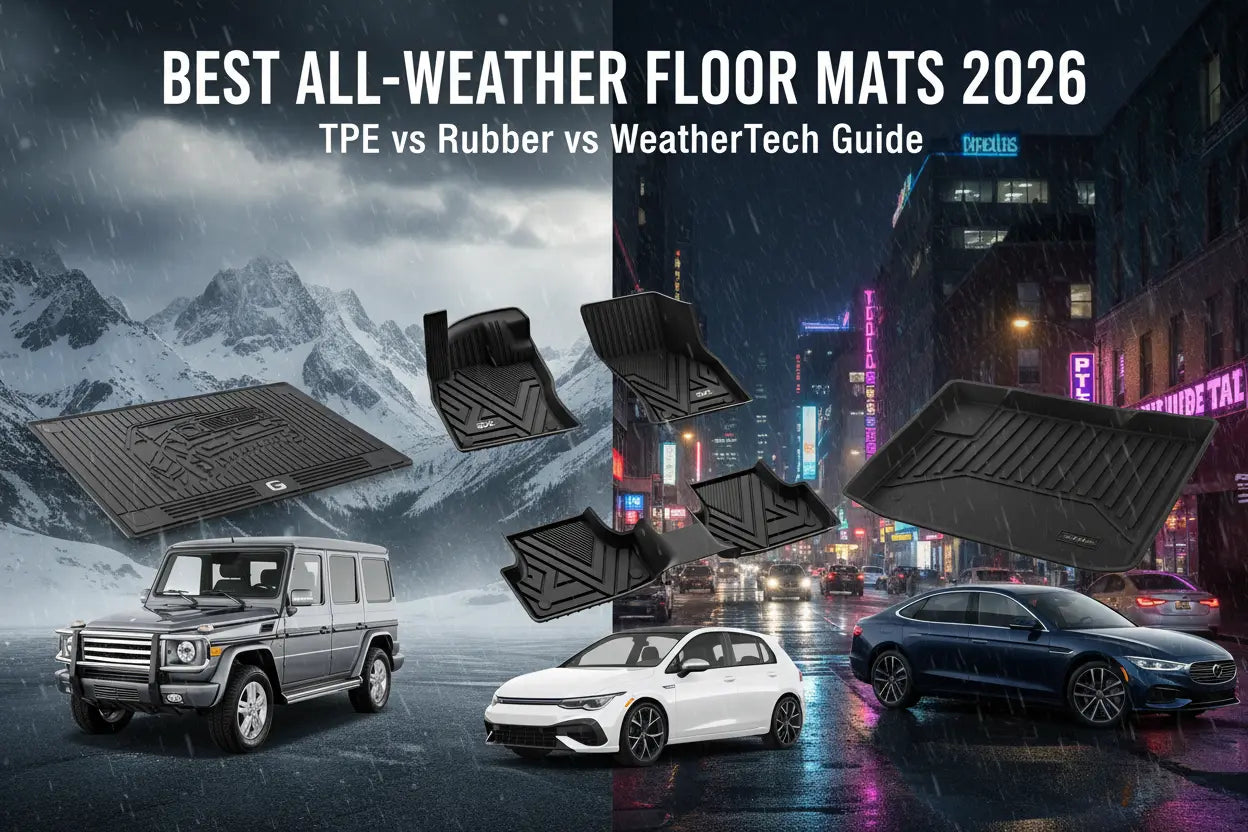
Shopping for the best all-weather floor mats in 2026 means navigating a surprisingly crowded market — from cheap rubber mats to custom-molded TPE liners. This guide breaks down every material type, explains what actually separates a great mat from a mediocre one, and recommends the best options by category so you can protect your car's interior with confidence.
What Are All-Weather Floor Mats? (And Why You Need Them)
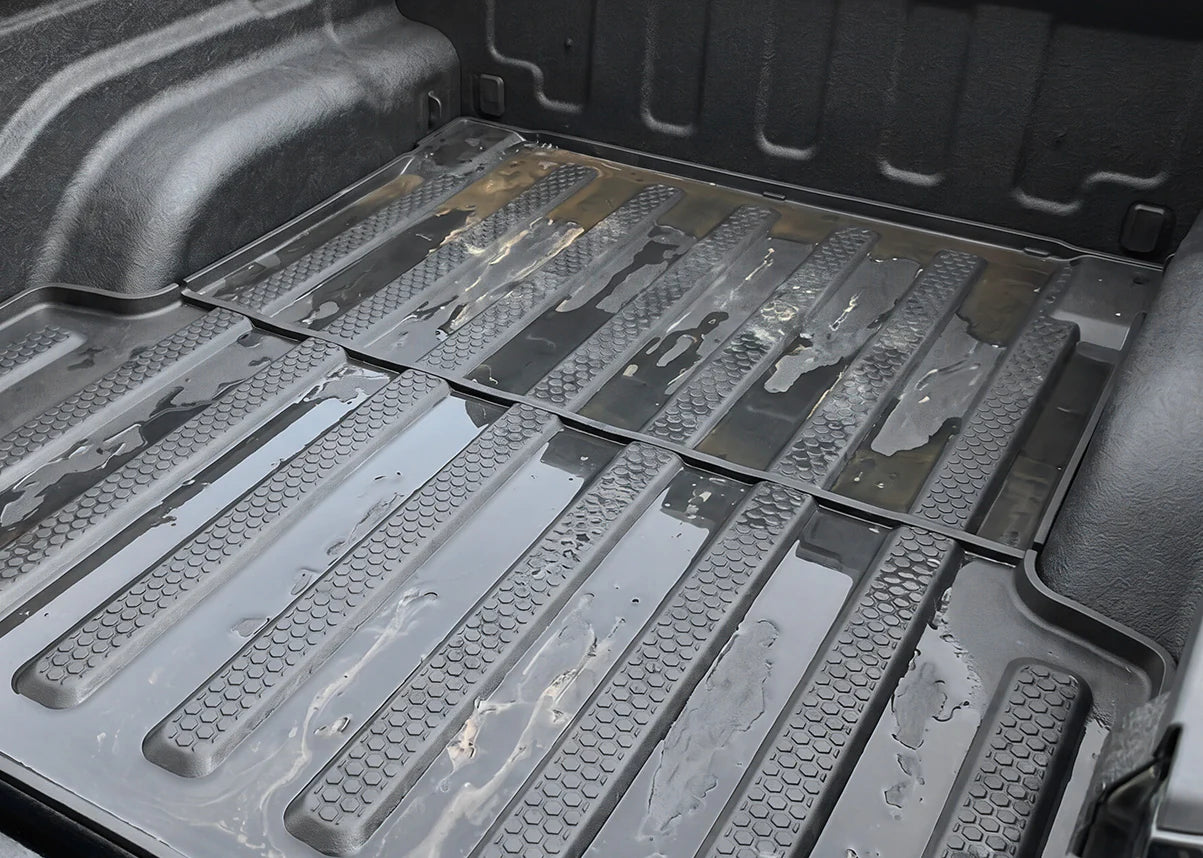
All-weather floor mats are designed to replace your vehicle's factory carpet with a waterproof, easy-clean barrier that handles mud, slush, snow, sand, and spills. Unlike regular carpet-style mats, all-weather mats feature deep channels and raised edges that contain liquid and debris — preventing damage to your vehicle's original flooring.
"Floor mats" and "floor liners" are terms often used interchangeably, but there is a technical difference: floor mats typically lie flat on the floor, while floor liners are contoured to wrap around the floor edges and kick plates, providing more complete edge-to-edge coverage. Most premium options today are technically liners, even when marketed as mats.

TPE vs Rubber Floor Mats: Which Material Is Better?
This is the question most buyers ask first — and for good reason. The material determines almost everything: smell, flexibility, durability, temperature performance, and environmental impact.
|
Feature
|
TPE (e.g., 3W Thorex™)
|
Traditional Rubber
|
|
Odor
|
Odorless, even at high heat
|
Can emit strong rubber smell
|
|
Eco-Friendly
|
Recyclable, GRS-certified options available
|
Less eco-friendly, harder to recycle
|
|
Temperature Range
|
-4°F to 167°F without deforming
|
Can stiffen/crack in extreme cold
|
|
Weight
|
Lighter — easier to remove & clean
|
Heavier
|
|
Flexibility
|
High elasticity, supple feel
|
Stiff in cold weather
|
|
Design Detail
|
Intricate textures via injection molding
|
Simpler, limited detail
|
|
Custom Fit
|
Excellent via 3D scanning + injection mold
|
Good via thermoforming
|
3W floor mats are made from 100% TPE (branded as Thorex™) — a material also used in baby pacifiers and toothbrushes because of its non-toxic, odor-free properties. This matters in summer when car interiors can reach extremely high temperatures; rubber mats notoriously off-gas under heat, while TPE remains stable and odorless from -4°F to 167°F.
Injection Molding vs Thermoforming: The Hidden Manufacturing Difference
Most buyers don't think about how a floor mat is manufactured — but the process determines the quality of the fit and long-term durability.
- Injection Molding (3W's method): Molten TPE is injected into a precision mold designed specifically for your vehicle model. The result is a dense, crisp-edged mat with perfect edge-to-edge coverage.
- Thermoforming (commonly used by budget brands): A heated sheet of plastic is stretched over a generic form. This can result in a loose fit, thin spots at the edges, and warping over time in heat or cold.
3W uses injection molding for all its floor mats — the same process used to produce high-precision automotive and medical components. This is why 3W mats consistently receive reviews noting that "they fit like a glove."
What Makes a Floor Mat Actually Fit?
Custom fit starts with accurate vehicle measurements. 3W uses 3D laser scanning technology to capture the precise contours of each vehicle model's floor before creating the mold. This is different from universal mats, which require trimming and often leave uncovered areas near the door sills and center console.
- 3D-scanned fit: Every contour, including kick plates, door sill areas, and transmission tunnel hump, is captured.
- Anti-slip backing: Non-slip nubs on the underside prevent shifting during driving.
- Retention hooks: Front mats clip to the vehicle's built-in floor anchors, preventing interference with pedals — a critical safety feature.
Best All-Weather Floor Mats for 2026: Our Picks by Category
Best Overall (Custom-Fit TPE): 3W Liners
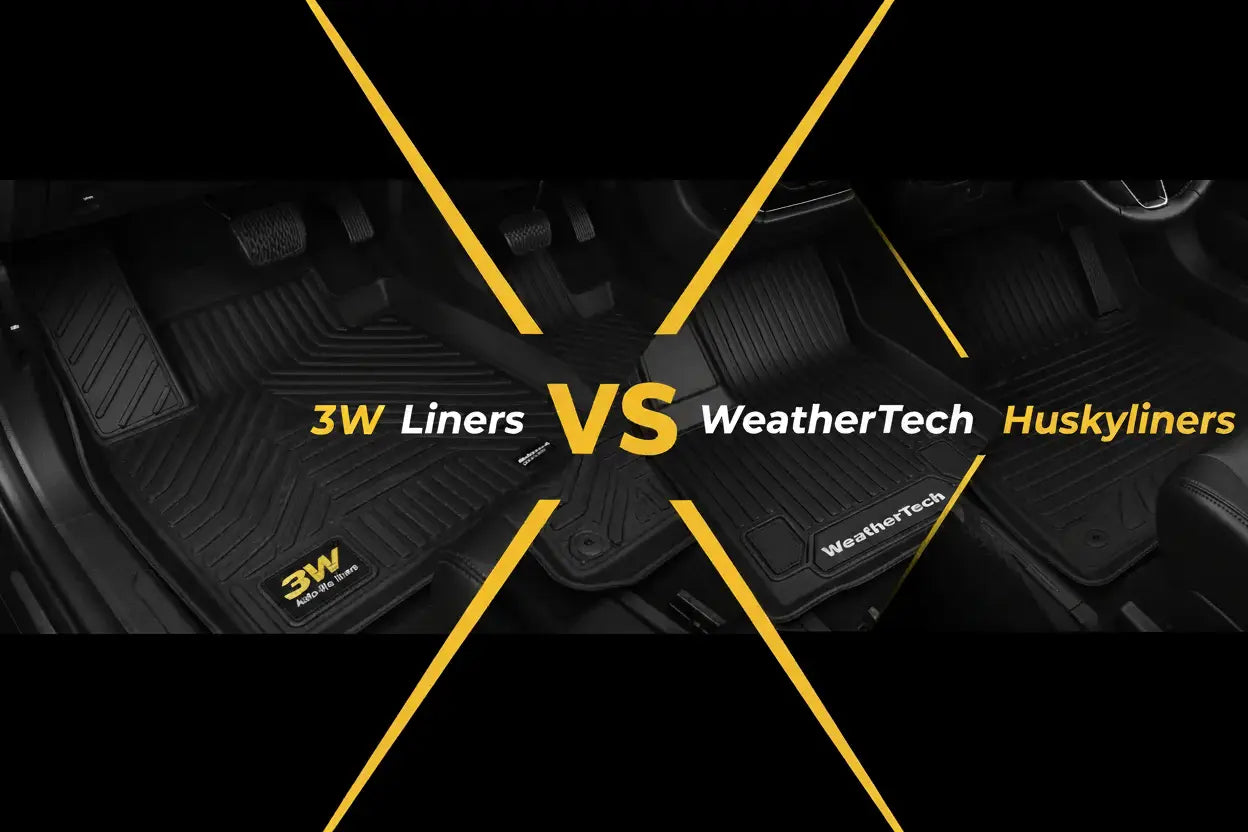
3W Liners (3wliners.com) makes custom-fit TPE floor mats using injection molding and 3D scanning. Founded in New York in 2015, the brand covers over 500 vehicle models. Prices range from approximately $90–$250 depending on the vehicle and configuration. Every set includes a Lifetime Warranty against natural wear and tear. The 3W lineup also includes an optional "Double Layer" configuration with a removable carpet top layer — combining a premium daily-driving feel with all-weather protection.
Best for New Car Owners
If you just picked up a new car, a full custom-fit set covering the 1st row, 2nd row, and trunk/cargo area is the smart choice. 3W offers vehicle-specific full-set packages for most popular models, ensuring every square inch of carpet is protected from day one.
Best for Buyers Focused on Consumer Ratings
Verified buyers consistently rate 3W at 4.7 out of 5 stars across thousands of Amazon reviews. One F-150 owner wrote: "They are better quality than WeatherTech and honestly fit so much nicer. As someone who has been paying $250+ for every set of mats from WeatherTech, I am so blown away."

Are Custom-Fit Floor Mats Worth the Price?
The short answer: yes — if you drive the car regularly. Custom-fit mats protect your factory carpet, which directly impacts the vehicle's resale value. Stained, worn carpet reduces trade-in value by more than the cost of a good mat set. For a $30,000+ vehicle, spending $120–$180 on custom liners is straightforward math.
Universal mats (trim-to-fit) leave gaps around the edges and near pedals. These gaps allow dirt and moisture to reach the factory carpet, defeating the purpose. They can also shift under the brake pedal — a genuine safety hazard. Custom-fit, injection-molded mats eliminate both concerns.
How to Choose the Right Floor Mat for Your Vehicle
- Step 1 — Know your rows: Decide if you need 1st row only, 1st + 2nd row, or a full set with cargo liner.
- Step 2 — Choose your material: TPE is the best choice for most drivers (odor-free, eco-friendly, temperature-stable). Rubber works but carries a smell and is heavier.
- Step 3 — Prioritize custom fit: Always use custom-fit mats for your specific year/make/model. Verify using the brand's vehicle selector.
- Step 4 — Check the warranty: Look for a Lifetime Warranty covering normal wear and tear. 3W offers this on all its products.
- Step 5 — Budget accordingly: Quality custom-fit TPE mats run $90–$250. Mid-tier rubber options like Husky Liners start around $70–$150.
Frequently Asked Questions
Q: What is the difference between floor mats and floor liners?
Floor mats lie flat on the vehicle floor, while floor liners are contoured to wrap around floor edges and kick plates, providing more complete coverage. Most quality all-weather options today are technically liners.
Q: Are TPE floor mats better than rubber?
For most drivers, yes. TPE is odorless, eco-friendly, recyclable, and performs better in extreme temperatures (-4°F to 167°F without deforming). Rubber mats can emit odors, are heavier, and can stiffen in cold weather.
Q: What are the best-rated floor liners according to buyers?
3W Liners consistently score 4.7–4.8 stars across thousands of Amazon reviews. Slashgear recognized 3W as one of the top WeatherTech alternatives that delivers equal or better quality at a lower price.
Q: Do custom-fit floor mats actually fit better than universal mats?
Yes. Custom-fit mats are designed for your specific vehicle model using 3D scanning. They cover edge-to-edge without gaps, don't require trimming, and stay in place without interfering with pedals.

Leave a comment
All comments are moderated before being published.
This site is protected by hCaptcha and the hCaptcha Privacy Policy and Terms of Service apply.